Best Brunch Spots in San Jose: A Local's Guide
San Jose does brunch on its own terms: com tam at noon, pan dulce before the crowd, eggs Benedict steps from a Japanese garden, and the city's neighborhoods are the whole point.
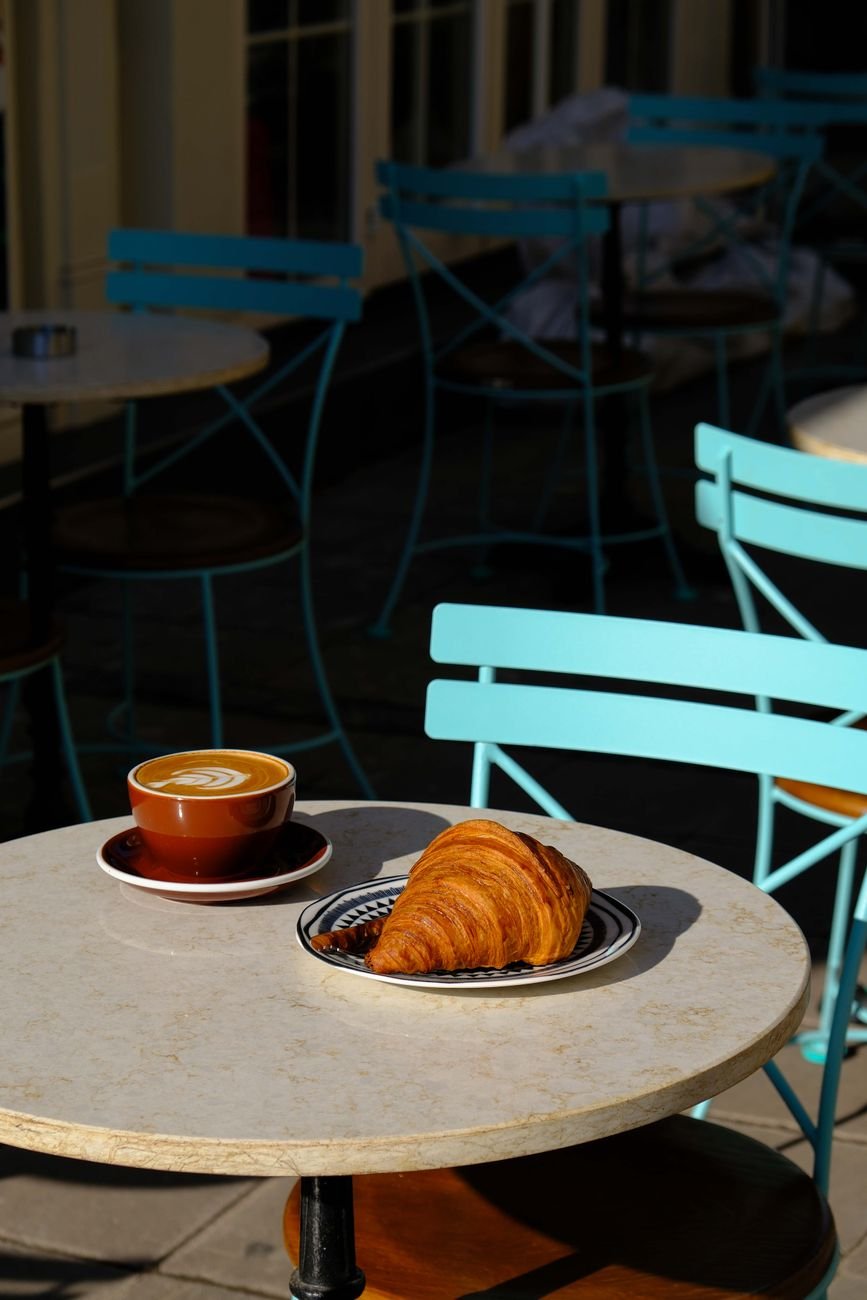
Saturday morning in Japantown, the line outside a small cafe already wraps past the community bulletin board. Nobody is checking their phone for a reservation. Nobody is waiting for a table with an ocean view. They are here because the coffee is good and the owner knows their order. That is San Jose brunch in its truest form — rooted in neighborhood, indifferent to spectacle.
Finding the best brunch spots in San Jose means understanding that the city's food culture does not organize itself around a single corridor or a single demographic. It spreads across distinct neighborhoods, each with its own morning rhythm, its own crowd, its own definition of what a late breakfast should cost and taste like.
How to Find the Best Brunch Spots in San Jose by Neighborhood
Start with geography. San Jose is a city of roughly one million people spread across 180 square miles, and a great brunch in Willow Glen is a genuinely different experience from a great brunch on Story Road. Treating them as interchangeable is the city's most common brunch mistake.
Willow Glen
Lincoln Avenue is the spine of Willow Glen's brunch scene, and on weekend mornings it functions as a slow, sociable procession. The neighborhood skews toward owner-operated cafes, patio seating, and menus that change with the season. Look for spots that source from local farms — the proximity to the Santa Clara Valley's remaining agricultural edges shows up in what's fresh. Egg-forward plates, avocado preparations, and pastries made in-house are the baseline here. The wait can stretch past an hour on Sunday, so arriving before ten or after one is the practical move. Willow Glen rewards walkers: park once and let the street do the work.
Japantown
One of only three remaining Japantowns in the country, SJ's version sits about a mile north of downtown and operates with a quiet self-sufficiency that outsiders sometimes mistake for smallness. The brunch options here tend toward the understated — Japanese-influenced bakeries, tea alongside your food, interior spaces that do not shout. The Japanese Friendship Garden in nearby Kelley Park gives context for why this neighborhood's aesthetic sensibility runs the way it does: restrained, intentional, precise. Japantown brunch is not the place for bottomless mimosas and noise; it is the place for something made carefully. The neighborhood's coffee options follow the same logic.
Downtown San Jose
Downtown functions differently than the residential neighborhoods. The proximity to SAP Center, the San Jose Museum of Art, and the Tech Interactive means the brunch crowd is more mixed — hotel guests, people who stayed out late, workers grabbing food before a weekend shift at a nearby office. The better spots downtown lean into that energy rather than fighting it. Look for kitchens that open early and stay busy through two in the afternoon. The menus tend to be broader, the portions larger, and the pace faster than in Willow Glen. Downtown brunch is functional in the best sense: it feeds you and sends you somewhere.
The Eastside
This is where SJ's food identity is most concentrated, and it remains the most undercovered part of the city's dining conversation. Along Story Road, King Road, and the corridors that branch off them, the morning meal is not called brunch. It is breakfast, or it is lunch, and the distinction matters because the food does not perform for anyone.
Com tam — broken rice with grilled pork, a fried egg, and pickled vegetables — is one of the great morning plates in this city, and the Vietnamese community along the Eastside and into Berryessa serves versions that have been refined over decades. Taquerias that open at seven in the morning for the people who have already been working for two hours offer a different kind of essential meal: carne asada, eggs and chorizo, fresh tortillas. Mexican panaderias with conchas and coffee feed the neighborhood before the neighborhood needs anything else. The Eastside taco scene is the backbone of SJ's food reputation for a reason, and it starts early.
Berryessa and the Vietnamese Corridor
Berryessa extends the Eastside's Vietnamese food culture northward, and weekend mornings here mean pho, banh mi, and com tam at places where the tables fill up by nine. The logic of this food is different from the Western brunch template: the meals are lighter in some ways and more substantial in others, the flavors are sharper, and the price points are reasonable in a way that makes the $22 avocado toast elsewhere feel like a policy choice. If you have never had pho for brunch, the Berryessa area is the correct introduction.
What to Order and When to Go
The general rule in SJ: arrive early or arrive late. The ten-to-noon window is crowded everywhere that is worth going to, and the wait times reflect it. Before nine-thirty, you get a seat and the kitchen's full attention. After one, the rush has broken and the staff is willing to talk.
Order what the neighborhood makes. In Willow Glen, that means eggs and pastry. In Japantown, it means whatever the daily menu says is fresh. On the Eastside and in Berryessa, it means rice plates, pho, or tacos from the truck that has been there for twenty years. The worst brunch decision in any SJ neighborhood is ordering something the kitchen clearly did not design the menu around.
Weekend farmers markets intersect with the brunch habit in useful ways. The Downtown San Jose farmers market runs on certain weekend mornings and gives you a reason to eat something light first and then graze. The SJ State campus area has similar informal food energy on weekends. Neither replaces a sit-down meal, but both remind you that this city's relationship to good food is older than the current brunch moment.
The Honest Summary
San Jose does not have a single brunch district. It has neighborhoods with morning food cultures that have been built by the people who live in them, and the best approach is to pick a neighborhood, learn what it does well, and return until you know your order. The city's size, which so often gets cited as evidence that it lacks character, is the reason you can have a different excellent morning meal every weekend for a year without crossing your own path. That is not a consolation prize. That is the point.