Best Italian in Santana Row You'll Actually Love
Santana Row's Italian options range from reliable date-night standbys to places that actually respect the craft — here's how to tell the difference and eat well.
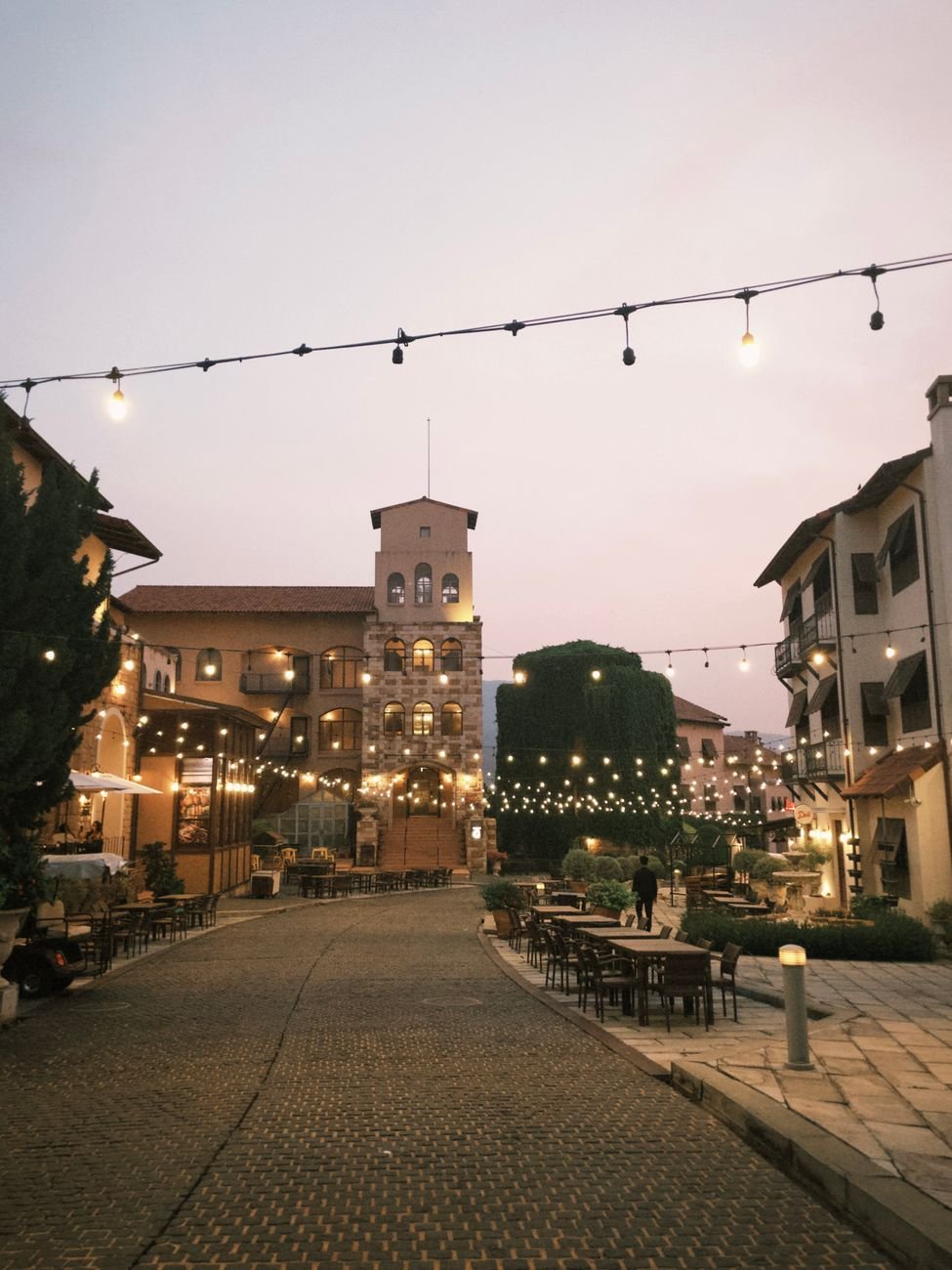
Saturday evening on Santana Row, the outdoor heaters click on around six and the scene shifts. Families finishing early give way to couples on deliberate dates, tech workers in expensive-casual clothes, the occasional group celebrating something. The avenue is SJ's most self-consciously polished stretch of pavement, and Italian food, perceived as approachable, celebratory, broadly appealing, has found a reliable home here. The question is whether you're getting the best Italian in Santana Row or just paying Santana Row prices for something that could have come from anywhere.
That distinction matters more than it sounds. Italian cuisine in the U.S. covers enormous ground, from Neapolitan pizza fired in a wood-burning oven to Northern Italian cream sauces to California-inflected pasta that leans hard on local produce. Santana Row's dining corridor compresses all of that into a few blocks, which means the work of choosing well falls to you.
What Actually Makes the Best Italian in Santana Row Worth Your Time
The first thing to look for is pasta made on premises. Dried pasta is not a crime — good dried pasta cooked properly is genuinely fine — but when a restaurant is charging Santana Row prices, fresh pasta should be on the table, literally. Ask the server. Servers who aren't sure are telling you something too. A place that makes its own pasta tends to know it and say so.
The second marker is how the kitchen handles California's ingredient calendar. SJ sits in the middle of one of the most productive agricultural regions on earth. Santa Clara Valley produce, Central Coast wines, Northern California olive oils: a serious Italian kitchen here should be incorporating that material rather than pretending it's still cooking in a vacuum. The best pasta you'll eat on that strip will probably have something on it that's in season right now, not something that ships frozen from a national distributor.
Third: the bread. This sounds small. It isn't. A kitchen that cares will put out something worth eating before the food arrives. A kitchen that doesn't will hand you something from a bag. You learn a lot from the bread.
Reading the Room (and the Menu)
Santana Row operates at a particular frequency. The architecture is intentional, the storefronts are maintained, the clientele is generally comfortable spending money. Italian food fits into that environment partly because it reads as romantic and partly because the category allows for a wide price range within a single menu. You can order light and spend less, or you can commit to a full meal with wine and spend substantially more.
The menus that work best in this setting tend to be focused rather than sprawling. Sixteen pasta options is not a sign of ambition; it's often a sign of a kitchen that's spread thin. A tighter menu of eight to ten dishes executed with real attention usually reflects a chef who knows what they're doing and has made choices about it. Scan for that signal before you start reading individual descriptions.
Wine lists here skew toward California, which is the correct call. Italian food and California wine are not an awkward pairing; they're a natural one. A list on this strip that leans into Central Coast Pinot Noir, Napa Cabernet, or Sonoma Coast Chardonnay alongside some Italian regional bottles is a sign someone thought about the list rather than just filling it.
What to Order (in General Terms)
Across the category, certain dishes reveal more about a kitchen than others. Cacio e pepe is one of them. Three ingredients, pasta, pecorino, and black pepper, with nowhere to hide. If it's clumped, gluey, or underseasoned, the kitchen is cutting corners somewhere. If it's right, the pasta is silky and the pepper is forward without being aggressive.
Branzino or other whole-fish preparations are worth ordering when they appear on a Santana Row Italian menu, partly because they're harder to do at volume and partly because a kitchen willing to put them on the menu is usually confident in its execution. The same logic applies to osso buco: it's a commitment dish that requires time and attention. A kitchen that puts it on the specials board is usually not phoning it in that night.
For dessert, tiramisu is the obvious move and also the useful test. Bad tiramisu is everywhere; good tiramisu is made in-house, with real mascarpone, enough espresso soaking, and enough time in the refrigerator. It should not arrive tasting like it was assembled that morning for the lunch rush.
When Italian food is what's drawing you out on a weeknight and you want the full SJ dining picture, it's worth knowing that the city's best Italian tables reach well beyond this corridor, and the Eastside's taquerias, Berryessa's Vietnamese spots, and Japantown's izakayas all deserve their own nights too. But if Santana Row is the destination, Italian is a reasonable anchor for the evening, provided you're paying attention to what you're ordering and where it's coming from.
Timing and Logistics
Reservations on Friday and Saturday nights are not optional. The row fills up, and the Italian spots in particular draw a reliable crowd of people celebrating birthdays, anniversaries, and corporate dinners. Thursday is frequently the best night: the crowds thin, kitchens are not in maximum-output mode, and the service tends to be more attentive. If you're planning a date night in SJ and have flexibility, Thursday at seven is a better bet than Saturday at eight.
Parking in the structure is validated by most restaurants, which removes the one logistical headache the neighborhood can generate. Arrive with a little extra time and walk the row before you sit down. The outdoor atmosphere, especially on a clear South Bay evening when the temperature has dropped to something actually comfortable, is part of what you're paying for. The food should be the other part. When both are working, Santana Row Italian earns its reputation. When only one is working, at least you have the walk back to the car.