Things to Do in San Jose Locals Recommend
San Jose locals weigh in on the neighborhoods, food corridors, museums, and parks that make the Bay Area's biggest city worth staying in — not just passing through.
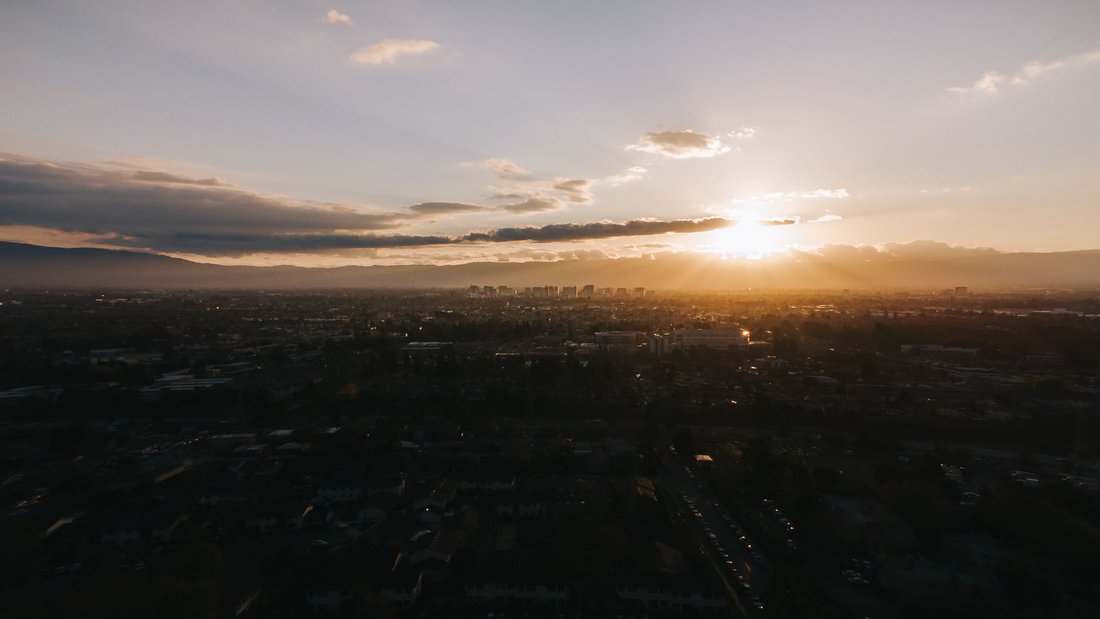
On a Saturday morning in late spring, the line at the Japantown Farmers Market stretches past the taiko drummers and doubles back toward the tofu booth. Kids from the Japanese American Community Center are running a bake sale. A grandmother is haggling over strawberries in three languages. Nobody here needs to be told that San Jose is worth their time, they already know.
That's the thing about San Jose locals: they've been making a life in the Bay Area's biggest city for decades without waiting for national food media or travel glossies to catch up. The things to do in San Jose that residents actually recommend are not photo-op novelties. They are the taquerias open until midnight, the museum admission days, the Friday night gallery walks, the pho shops that have been perfecting their broths since the 1980s. This guide is built from those recommendations.
Japantown: One of Three Left in the Country
San Jose's Japantown is not a theme park or a tourist attraction with a marketing budget. It is one of only three remaining intact Japantowns in the United States, a living neighborhood anchored by the Japanese American Community Center, a Buddhist temple, family-run restaurants that have changed hands across generations, and the Japantown Farmers Market that runs on select weekend mornings. Walking Jackson and Sixth Streets on a weekday gives you a different sense of it, quieter, more residential, with produce markets and a tofu company that has been operating for over a century.
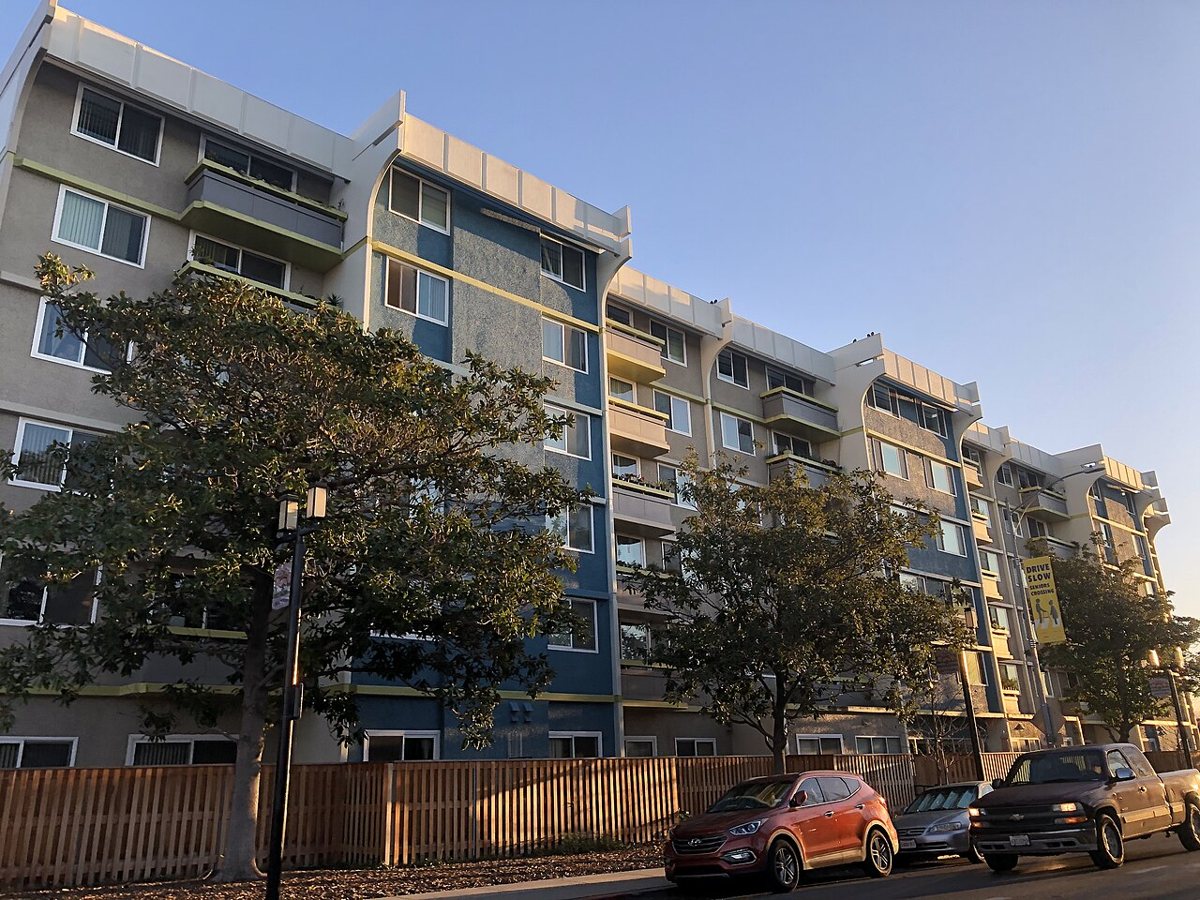

The market itself is worth planning around. It skews local and hyperspecific, mochi, fresh-cut chrysanthemums, Japanese sweet potatoes, tamales from a neighboring vendor who has been there as long as anyone can remember. Come early. The strawberries go fast and the parking on Sixth fills up by 9 a.m.
What to Eat in Japantown
Okayama Kobo makes Japanese milk bread and seasonal pastries that locals drive across the city to pick up. Minato serves udon and set lunches in a room that feels unchanged since the 1970s, which is partly the point. If you time it right, the dessert shops along Jackson offer mochi ice cream and taiyaki that keep a line moving most afternoons.
The Eastside: Where San Jose Actually Eats
If you want to understand San Jose food culture, you start on the Eastside. The working-class Latino neighborhoods east of downtown, Story Road, Alum Rock, King Road and the corridors feeding off them, contain the densest concentration of taquerias, taco trucks, panaderias, and carnicerias in the South Bay. This is not a weekend destination for novelty. For hundreds of thousands of San Jose residents, it is simply where dinner comes from.
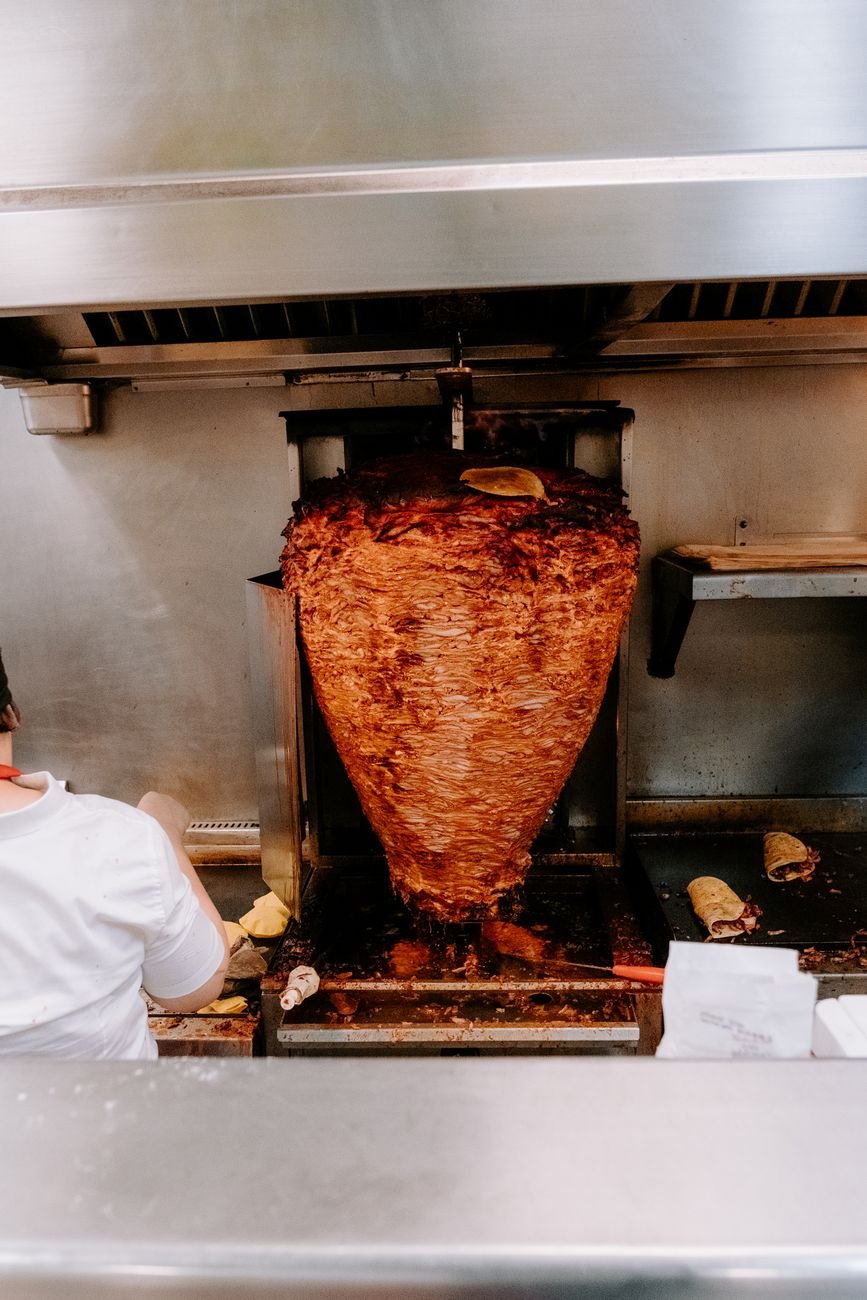
The taco trucks along Story Road and around the Flea Market at Berryessa operate on their own schedule, often running through the night on weekends. Al pastor cooked on a real trompo, lengua, cabeza, tripa, the menus are not abbreviated for outside audiences. A few dollars gets you two or three tacos with fresh salsas and a lime wedge. Pair that with a tamarind agua fresca from a neighboring cart and you have the best meal value in the county.
The murals are worth noting too. The Eastside has one of the most significant concentrations of Chicano and Latino public art in California, painted on carniceria walls, community center fences, and the sides of restaurants that have been here since before the tech booms. No tour required, just walk or drive and look up.
Mexican Bakeries Worth a Detour
La Victoria Bakery has been a San Jose institution for decades. The orange salsa that comes with their burritos has its own local mythology. But scattered across the Eastside are smaller panaderias, some without much signage in English, where conchas, polvorones, and empanadas de camote are baked fresh daily. Check weekend mornings for the fullest display cases.
Berryessa and the Vietnamese Food Corridor
San Jose has one of the largest Vietnamese American communities in the world outside Vietnam, and much of it is concentrated in the Berryessa neighborhood in the northeast part of the city. The food corridor along Tully Road, Story Road, and the strip malls around the Berryessa BART station covers an extraordinary range: pho shops, banh mi counters, com tam restaurants, boba cafes, and che dessert spots, most of them family-owned and most of them excellent.
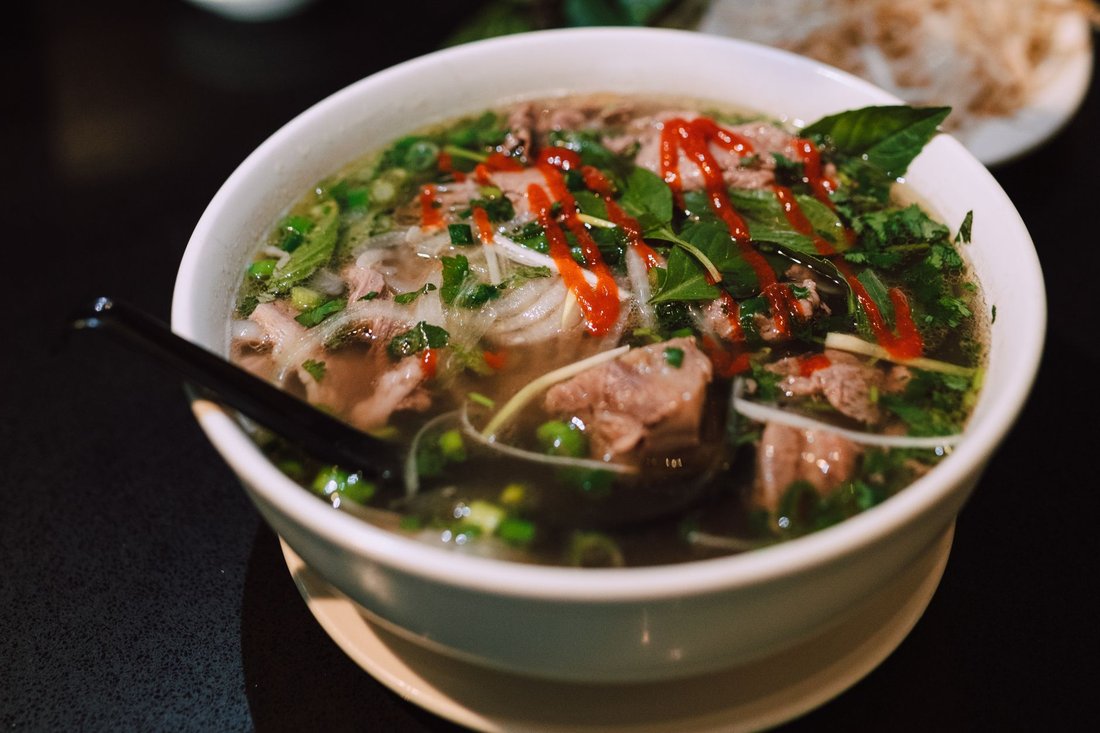
For a bowl of pho on the Eastside, the local consensus points toward the restaurants that do one thing, usually beef broth, and have been doing it for thirty or forty years. The broth is the product of overnight simmering with charred onion and ginger and bone, and you will know the difference immediately from anything that tries to shortcut it. Most shops open early and close when they sell out; late morning is already pushing it at the best ones.
Banh mi at the Eastside delis runs cheap and fast, a full sandwich with your choice of proteins, pickled daikon and carrot, cilantro, and jalapeño on a fresh-baked roll. The Vietnamese grocery stores in Berryessa carry ingredients unavailable elsewhere in the county, and the weekend produce sections look like farmers markets of their own.
Downtown San Jose and SoFA
The San Jose Museum of Art
The San Jose Museum of Art occupies an 1892 post office building that was converted and expanded, and the combination of old masonry and contemporary gallery space works better than it sounds. The permanent collection focuses on modern and contemporary West Coast art, and the rotating exhibitions are substantive, this is not a municipal afterthought. The museum regularly offers free admission on certain days of the month; check their current schedule before paying full price.
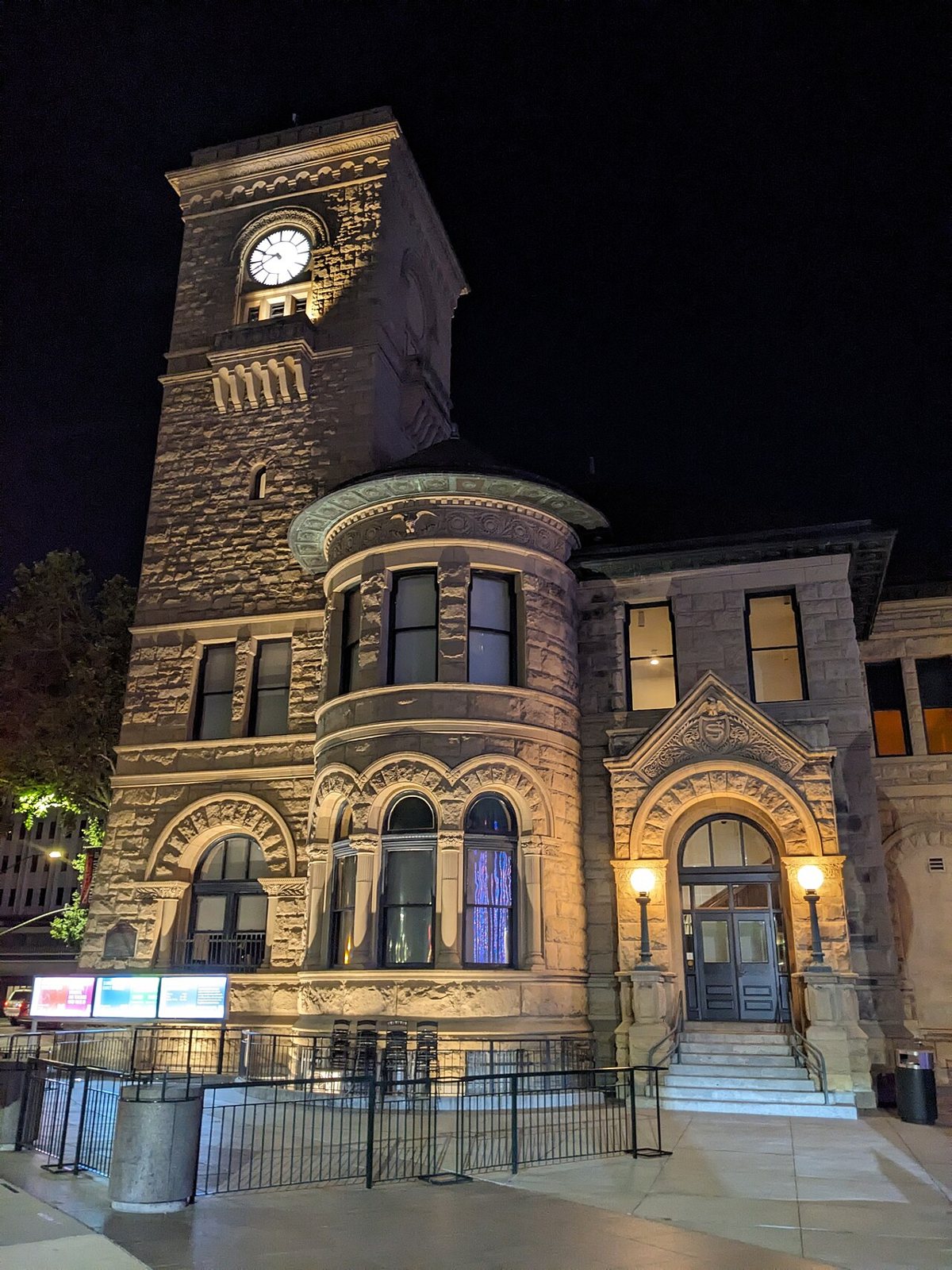

Downtown San Jose around the museum and Plaza de Cesar Chavez has enough density that a half-day here does not require a car once you arrive. The Dr. Martin Luther King Jr. Library, the Tech Interactive two blocks away, and several decent lunch spots are all within walking distance.
The Tech Interactive
The Tech Interactive is a hands-on science and technology museum with a strong local identity, it leans into Silicon Valley history without turning into a corporate showcase. The robotics exhibits, the human biology galleries, and the IMAX dome are built for genuine engagement, not passive walking past displays. It runs well for adults who want to spend two hours there and then eat lunch nearby.
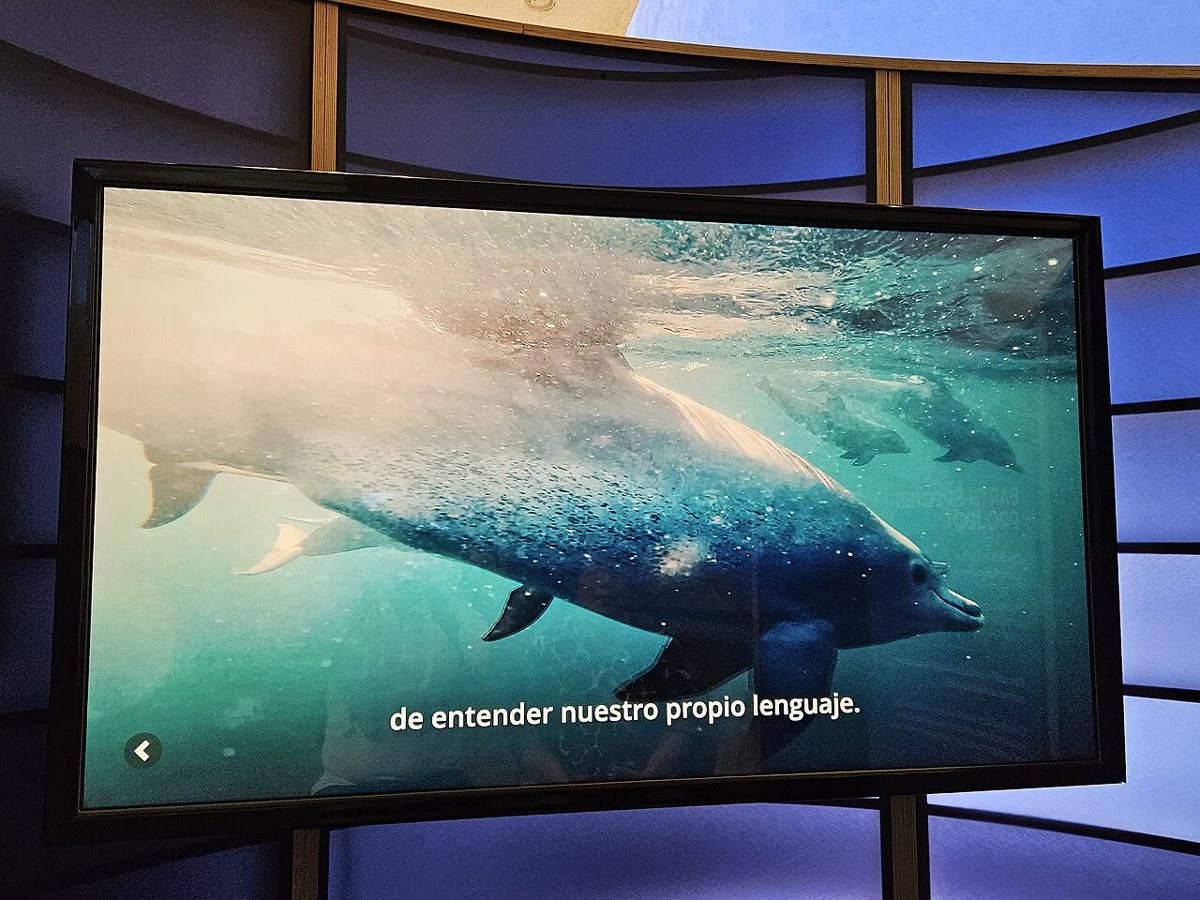

Families with children will get longer mileage out of it, but the exhibitions on innovation and design history have enough depth for adults going solo. Check for free nights, which are offered periodically through community partnerships.
First Fridays in SoFA
The South First Area, or SoFA, runs its First Fridays art walk on the first Friday of every month, when galleries, studios, and bars along South First Street open their doors and the neighborhood fills up with people who are not necessarily art buyers but are certainly out. It is one of the better free things to do in San Jose on a Friday night, and it draws a crowd that reflects the actual diversity of the city rather than a curated demographic. Street food vendors set up outside, live music spills out of venues, and the whole strip stays active until late.
The Municipal Rose Garden
The San Jose Municipal Rose Garden in the Rose Garden neighborhood is a legitimate horticultural institution, roughly 3.5 acres, somewhere north of 3,500 rose bushes, and one of the finest public rose collections in the western United States. It peaks in late spring, usually May into early June, when the color and fragrance are genuinely overwhelming in the best possible way. The garden is free, maintained by the city, and surrounded by some of the most gracious residential blocks in San Jose, the kind of early-twentieth-century Craftsman and Mediterranean Revival homes that make the neighborhood worth walking even after the roses are past peak.
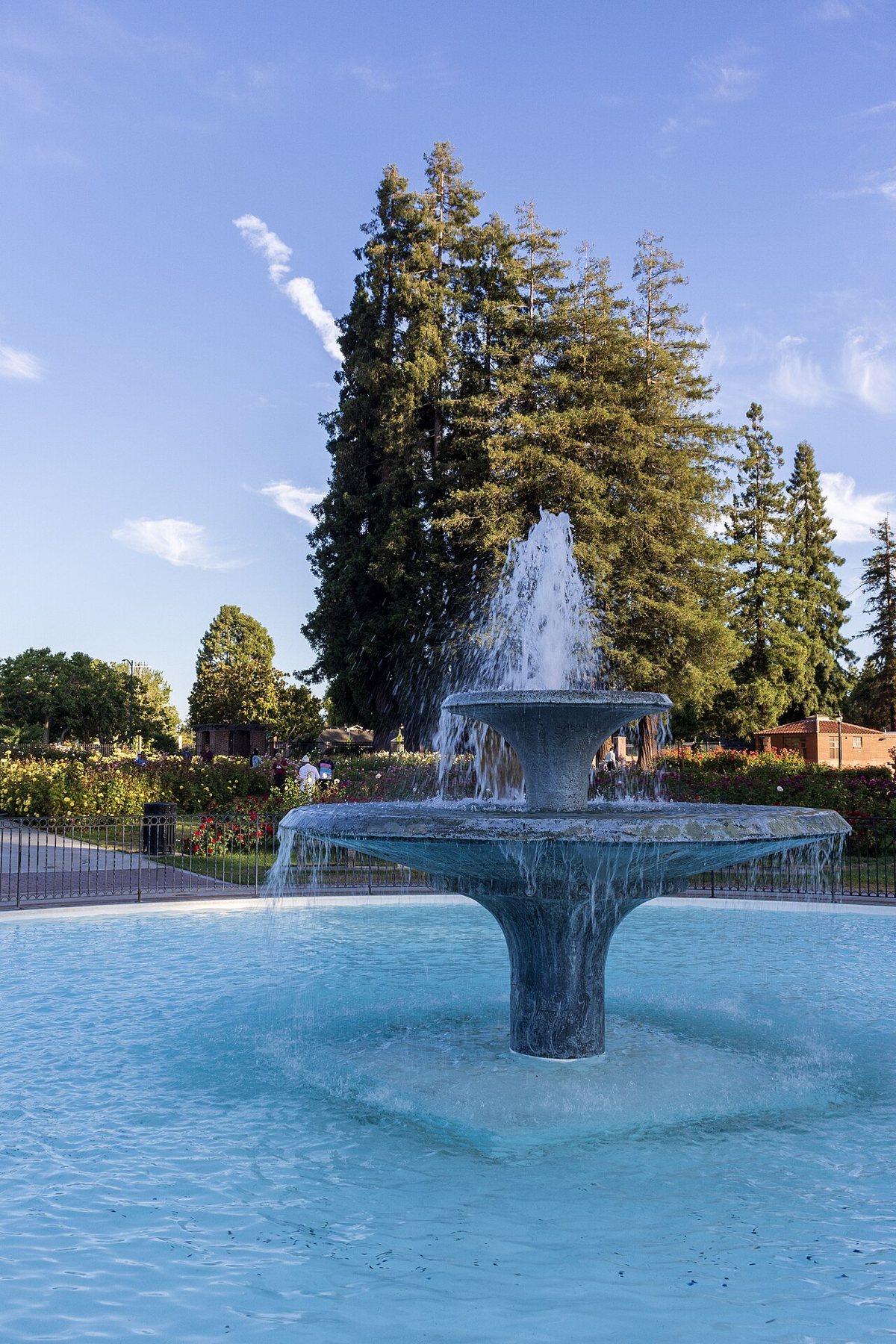

Come on a weekday morning if you can. Weekends in peak season draw significant crowds and parking on Naglee Avenue gets difficult. The benches inside the garden make it a reasonable place to sit with coffee and a book, and nobody will rush you.
History Park at Kelley Park
History Park is an outdoor museum of relocated and reconstructed historic structures, trolley barns, Victorian homes, a working replica of the first electric light tower that San Jose erected in 1881, set inside Kelley Park in the Eastside. It is exactly the kind of place that gets overlooked because it doesn't have a celebrity chef or an Instagram angle, but it is genuinely interesting for anyone who wants to understand what this city was before the semiconductor plants arrived.
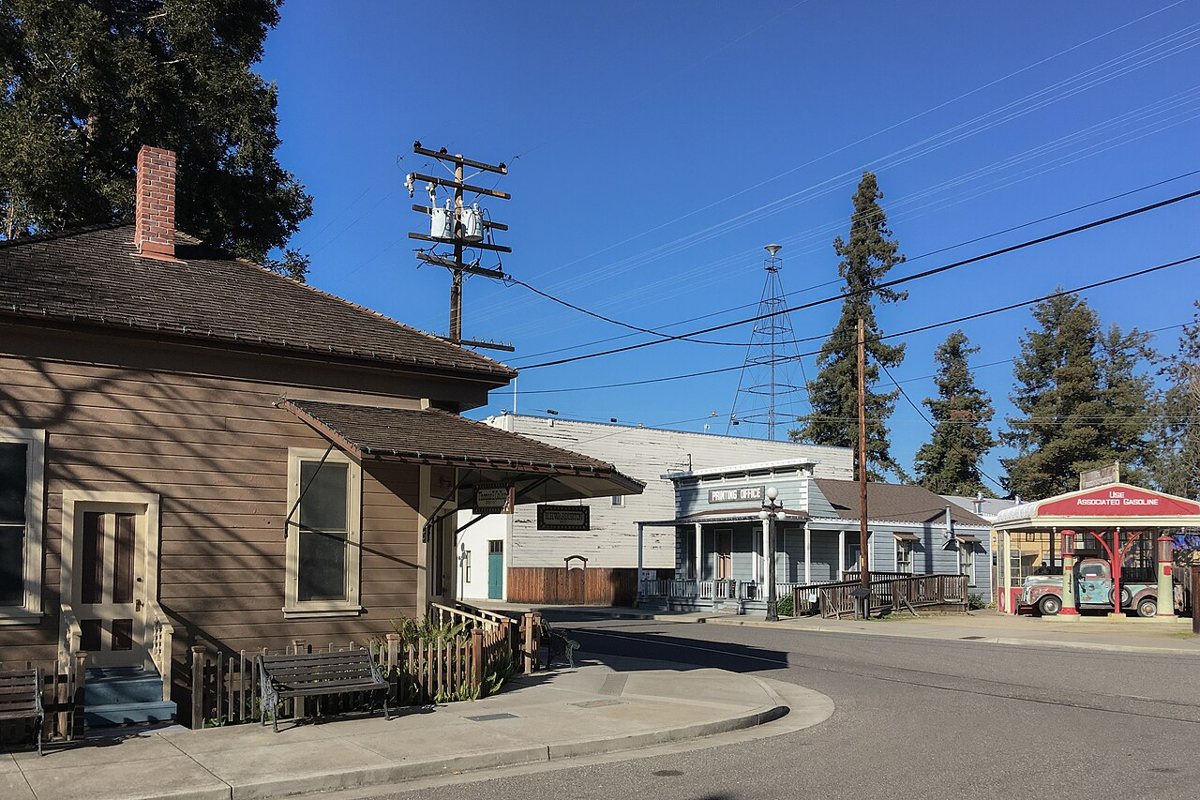

The trolley runs on weekends and is worth the short ride around the park. The docents here are enthusiasts, not performers, and they will tell you things about San Jose's gas-lighting era, its Chinese laborer history, and its agricultural past that you will not find in any other format. Admission is charged, though free days are available through various community programs.
The Japanese Friendship Garden
Inside Kelley Park sits the Japanese Friendship Garden, a traditional strolling garden built as a sister-city gift from Okayama, Japan. Koi ponds, stone lanterns, a moon bridge, carefully managed plantings, the garden is small enough to cover in thirty minutes but worth a longer sit. It is one of the quietest places in the city on a weekday morning, and the quality of the design and maintenance is higher than most visitors expect from a public garden that charges minimal or no admission depending on the day.
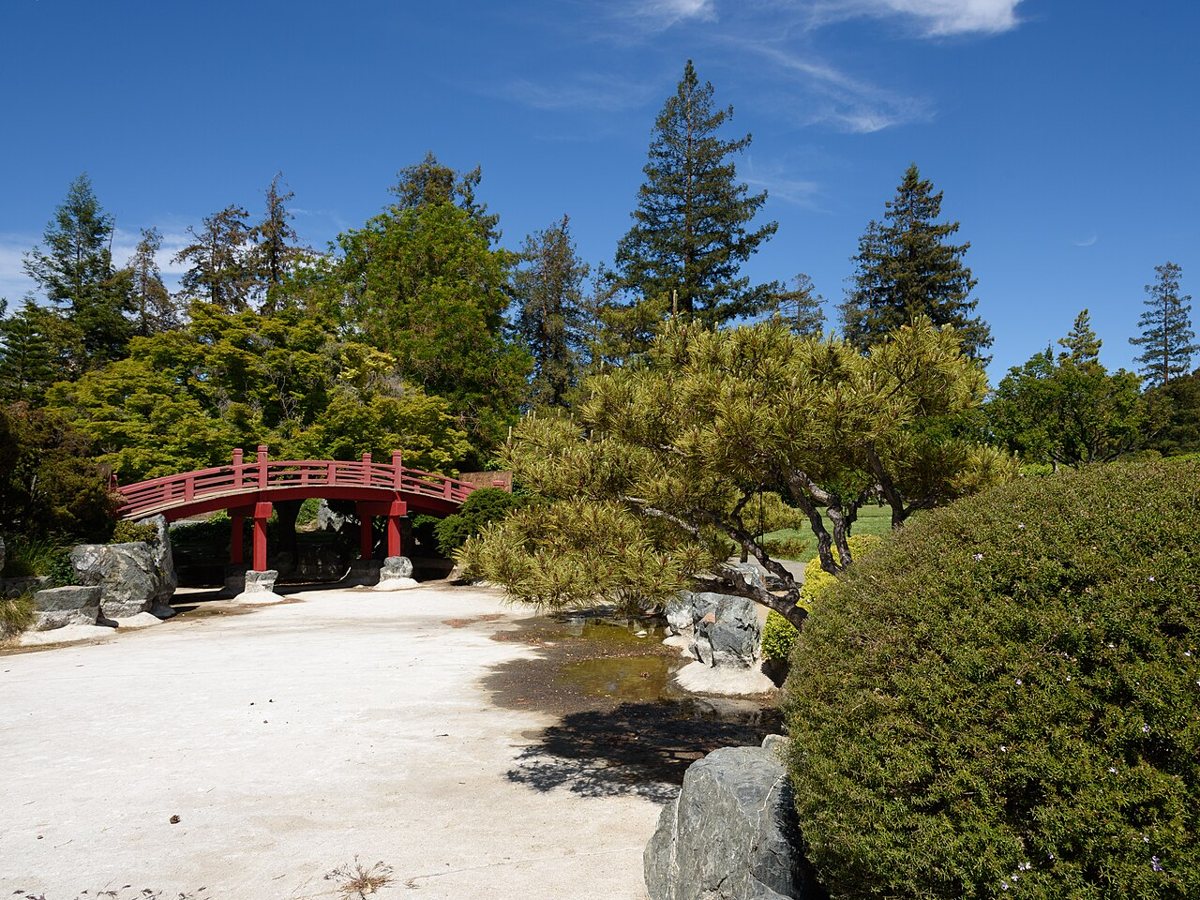

The garden and History Park share a parking lot, which makes visiting both on the same afternoon straightforward. The area around Kelley Park is also a good place to find excellent taco trucks within a short drive on the surrounding Eastside streets.
SAP Center and the Sports Calendar
SAP Center is the anchor of downtown San Jose in a way that becomes obvious when the San Jose Sharks are in a playoff run and the blocks around Santa Clara Street light up on game nights. The arena itself is a standard NBA/NHL venue, but the energy around a Sharks game, particularly during the regular season when tickets are accessible, is a legitimate San Jose experience. The crowd is genuinely local, the arena food has improved considerably in recent years, and the walk from downtown to the building passes through enough pre-game bars and restaurants that you can make an evening of it.
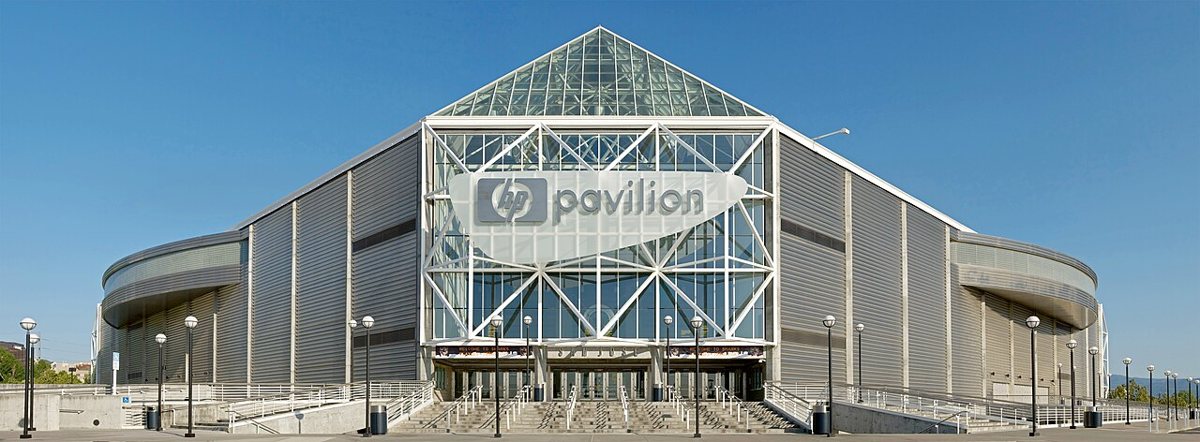

PayPal Park on the western edge of downtown hosts San Jose Earthquakes MLS games in a stadium purpose-built for soccer, which means good sightlines from most seats. MLS tickets are generally more affordable than comparable NFL or NHL seats, and the supporter culture around the Earthquakes is enthusiastic in a way that the team's W-L record does not always reflect.
Santana Row and Valley Fair
Santana Row is an outdoor shopping and dining district that does upscale retail better than almost anywhere in the South Bay, the architecture is coherent, the restaurant mix is genuinely diverse in cuisine if not in price point, and the people-watching on a weekend afternoon is excellent. It is not a neighborhood in any organic sense, but as a designed environment it works on its own terms. The farmers market on Sundays is one of the better suburban markets in the county.
Valley Fair, immediately adjacent, is one of the highest-grossing malls in the United States and has been significantly expanded in recent years. If you are going to a mall in the South Bay, this is the one. The food court options, including a number of Bay Area restaurant outposts, are solid, and the retail selection is comprehensive in a way that no standalone shopping district in the city can match.
Christmas in the Park
Every December, Plaza de Cesar Chavez in downtown San Jose fills with elaborately themed holiday displays, lights, and community programming in what is called Christmas in the Park. It has been running for over forty years and is free to attend. The displays are kitsch in the best sense, lovingly maintained, locally sponsored, deeply familiar to generations of San Jose families who make annual visits. On a clear December night with the fountain lit up and kids running between the display trees, it is one of the most purely local things the city does all year.
Getting Around, Timing, and What's Free
- Light rail and VTA buses connect the main corridors, but San Jose is a driving city for the Eastside and Berryessa. A car or rideshare makes the food corridors much more accessible.
- BART now runs to Berryessa station, which puts the Vietnamese food corridor within reach from the East Bay without a car.
- Free options include: the Municipal Rose Garden (always free), First Fridays in SoFA, Christmas in the Park, the Japanese Friendship Garden on certain weekday mornings, and free museum days at SJMA and the Tech Interactive, check current schedules for each.
- Best timing for food: taco trucks peak late Friday and Saturday nights; pho shops peak early morning through midday; the Japantown Farmers Market runs mornings on select weekends.
- Parking downtown is generally available in city garages at reasonable rates on weekends. The Eastside and Berryessa are easy parking neighborhoods.
- Peak season for the Rose Garden is May through early June. History Park is best visited in cooler months when the outdoor environment is more comfortable.
San Jose does not ask for your patience or your open mind. It has been here, feeding its own residents, building its own institutions, and maintaining its own neighborhoods, for long enough that it stopped caring whether outsiders approved. The people who live here know what it offers. This guide just puts some of what they already know into writing.