Best Food Halls in San Jose, Tried and Tested
A local's real-world guide to navigating San Jose's food halls, where to find them, and how to actually work one with a group that can't agree on dinner.
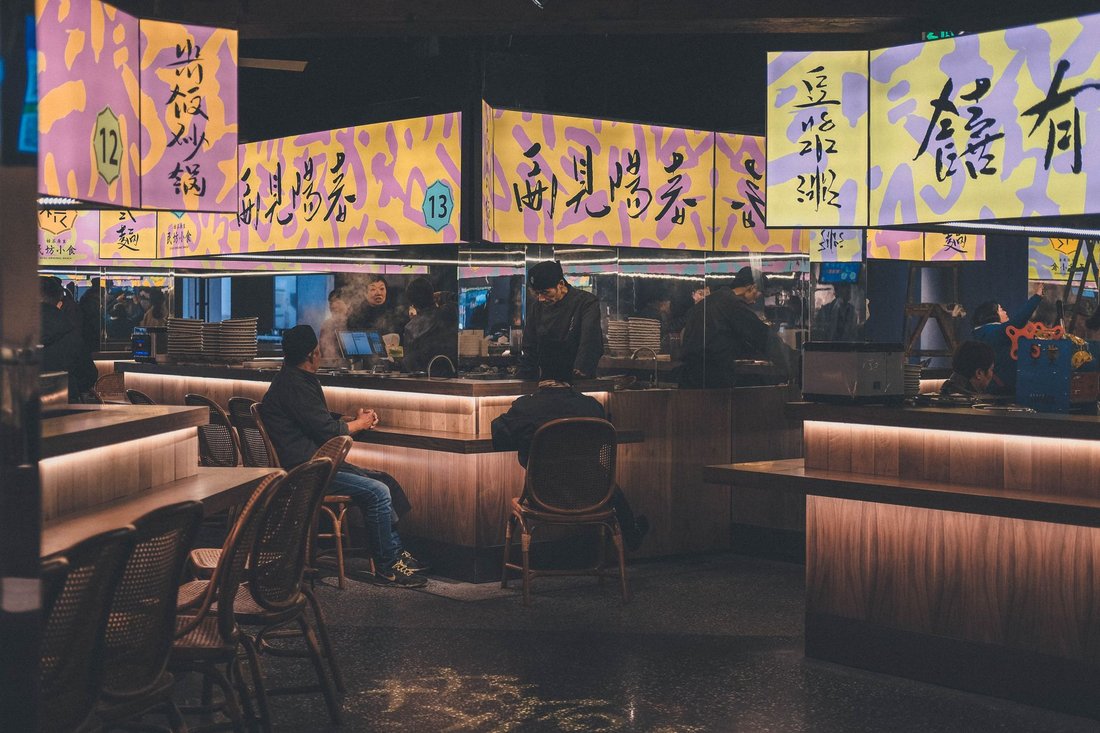
Six people walk out of a Sharks game at SAP Center split on dinner. One wants pho, one wants tacos, one is vegetarian, and somebody's kid just wants a corn dog and to go home. This is the exact standoff a food hall exists to end, and it's why the search for the best food halls in San Jose has become a real conversation among locals tired of arguing in parking garages. San Jose doesn't have one obvious food-hall strip the way people picture in other cities. It has pockets, tucked near downtown, along the edge of Japantown, folded into the retail sprawl by Santana Row, each one shaped by whatever neighborhood grew up around it.
That's worth sitting with for a second, because it tells you something about how this city eats. San Jose's food culture didn't get built to impress out-of-towners. It got built by the people who live here: the Vietnamese families who turned the Eastside and Berryessa into one of the best pho and banh mi corridors in the country, the taco trucks that have been civic fixtures on the Eastside longer than most downtown buildings have stood, the Japantown grocers and restaurants that have run continuously since before most food halls anywhere existed. A good food hall in this city isn't inventing a scene. It's borrowing from one that was already here.
How to find the best food halls in San Jose without wasting a trip
The format works because it solves a specific problem: too many appetites, one destination. A solid hall gives you Vietnamese noodles next to a taco counter next to something sweet, all under one roof, no reservation, no group vote required. That's the whole appeal, and it's why the halls cluster where the foot traffic already is.
Downtown, around the arena crowd
Downtown's version leans on the rhythm of the neighborhood: game nights at SAP Center, First Fridays spilling out of SoFA, a matinee at the San Jose Museum of Art or an afternoon at the Tech Interactive that ends with a hungry family and nowhere specific in mind. Downtown food halls tend to fill fast right before puck drop and thin out fast right after, so the sweet spot is either well before the event or well after the second intermission crowd clears out.
Japantown's different register
Japantown is one of only three surviving Japantowns left in the country, and it doesn't feel like a food hall so much as a few blocks of restaurants, markets, and counters that happen to sit close together. If you want something built for grazing, expect it to feel less assembled and more like walking a real neighborhood grocery row, because that's essentially what it is.
Santana Row and Valley Fair, the polished compromise
Out toward Santana Row and Valley Fair, the food-hall format shows up dressed for the mall it's attached to: upscale, orderly, built for a shopping trip that turns into dinner. It's the safest pick for a group with picky eaters or anyone who wants air conditioning and a clean table guaranteed.
How to actually work a food hall once you're there
Walking in and standing in one line defeats the purpose. Split up. Send one person to grab a table while everyone else scatters to different counters, then meet back and share. Order less per person than you think you need, because the whole point is sampling across stalls rather than committing to one entree. If there's a counter doing a bowl of pho, order it small and split it, because broth loses its heat fast and you want to be eating it while it's still steaming, not carrying it across a crowded room. Same logic applies to anything off a counter doing a taco plate: order it last, eat it first, before the tortillas go cold.
Don't let one person order for the table. Half the value of a food hall is that everyone gets what they actually want instead of what got voted on.
Parking, timing, and bringing a group
Parking downtown is the honest wrinkle. On event nights near SAP Center or PayPal Park, street spots disappear fast and garage rates climb with them, so plan to walk a few blocks or arrive well ahead of a game. Weekday lunches are the quiet window almost everywhere in the city: shorter lines, easier tables, no competition with a crowd headed somewhere else afterward. Weekend dinners are the opposite, especially anything adjacent to Santana Row, where the retail crowd and the dinner crowd hit at the same hour.
- For families with young kids, go early and claim a table before ordering, since high chairs and open seating vanish fast once a hall fills.
- For mixed diets or picky eaters, food halls beat a single restaurant every time, because nobody has to compromise on the whole meal, just their own plate.
- For a first date or a low-stakes catch-up, skip peak hours entirely. A half-full hall on a Tuesday is a better room to talk in than a packed one on Saturday.
The takeaway isn't that San Jose has some secret stash of food halls waiting to be ranked. It's that the format works here because the city already had the ingredients: real Vietnamese kitchens, real taquerias, a real Japantown, neighborhoods that never needed anyone else's approval to be good at food. Pick the pocket that matches your night, split up when you get there, and let the table do the negotiating instead of you.