Best Mexican Restaurants in San Jose, Tried and Tested
A local's route through San Jose's Mexican food scene, from Eastside taco trucks at dawn to family panaderias, and why the city never needed anyone else's permission to eat this well.
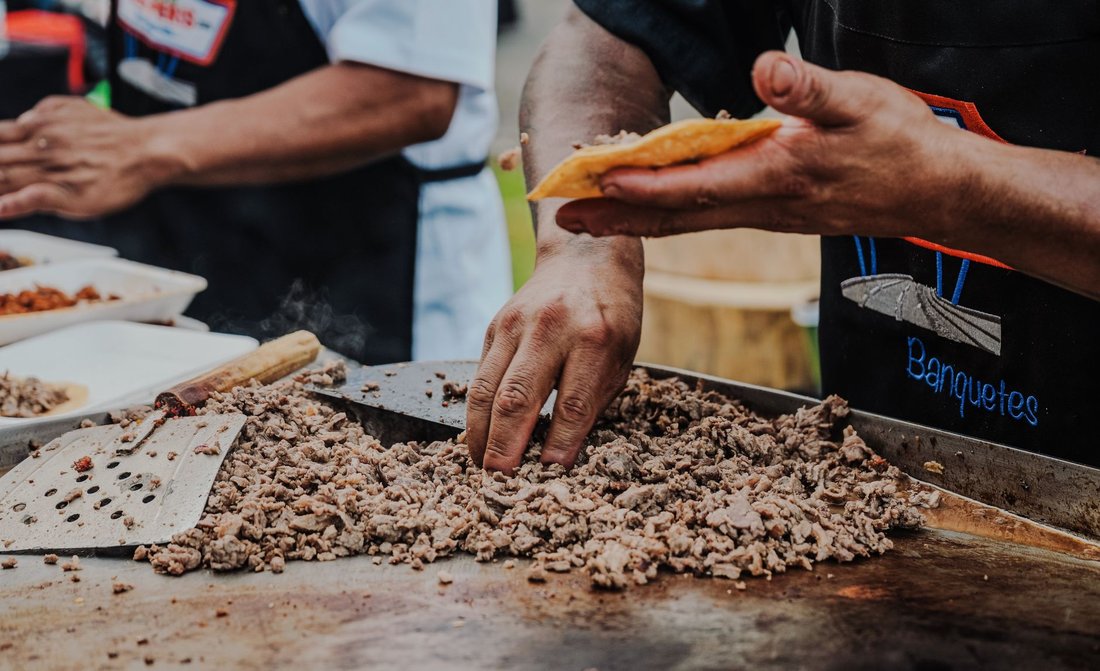
By seven on a Saturday, the taco trucks along Story Road already have their griddles going. Steam curls up past the hand-lettered menu boards. The line stretches from the order window past the parking lot's edge: contractors in reflective vests, grandmothers dressed for a christening, a couple of night-shift nurses still in scrubs, a kid half-asleep against a car door. Nobody's rushing the guy working the trompo. You wait, because the wait is the point.
This is where you start if you're after the best Mexican restaurants in San Jose. Not a downtown food hall. Not a strip-mall spot with a laminated menu built for tourists. The Eastside, where families brought recipes over the mountains from Jalisco, Michoacán, and Oaxaca decades ago and never diluted them for anybody's comfort.
The Eastside is the backbone, not a footnote
Ask a San Jose local where to eat and you'll get pointed toward King Road, Story Road, Alum Rock Avenue, and the stretch of Santa Clara Street heading east. This corridor is the working-class core of San Jose's food identity, Latino-founded and Latino-run for generations, and it's carried the city's food identity longer than any downtown revitalization plan has existed. The murals along these streets aren't decoration. They're the neighborhood telling you who built it.
Too many guides to San Jose treat the Eastside as an afterthought, a place to swing through for a quick bite before heading somewhere else. That's backward. The taquerias here set the standard the rest of the city gets measured against, the same way the Vietnamese kitchens of Berryessa turn out a bowl of pho that outclasses restaurants twice the price. If you're mapping out where to eat next, both corridors deserve the same respect.
Taquerias, taco trucks, sit-down comedores, and panaderias
Mexican food in San Jose isn't one category, and it helps to know the difference before you order.
- Taco trucks are built for speed and volume. Cash, a short menu, a trompo or griddle running nonstop, tortillas made fresh or warmed to order. Some park in the same lot every day for years and become landmarks without ever getting a sign.
- Storefront taquerias add stools, a salsa bar, maybe a TV playing fútbol. The menu widens to include tortas, quesadillas, and weekend specials like menudo or birria that sell out by early afternoon.
- Sit-down comedores and family restaurants slow things down further, with plated combination dinners, rice and beans on the side, and a kitchen that's often been run by the same family since the place opened.
- Panaderias are their own category and worth treating as a destination, not a stop on the way to somewhere else. Trays of pan dulce come out hot in the morning and again in the afternoon, and a good one will also stock fresh tortillas, dried chiles, and Mexican sodas.
None of these ranks above the others. A truck can out-cook a sit-down restaurant on a Tuesday afternoon, and the best meal of your week might come from a panaderia counter, not a table with a server.
What to order once you're at the window
A few dishes tell you almost everything about a kitchen's standards.
- Al pastor should come off a visible trompo, the pork stacked and shaved to order, finished with a sliver of charred pineapple and a scatter of raw onion and cilantro. If the trompo's missing, ask what they're doing instead before you commit.
- Carnitas takes patience. Real carnitas is pork simmered low in its own fat until it falls apart, then crisped at the edges. Rushed carnitas tastes boiled, not braised, and you can tell in one bite.
- Tacos dorados, rolled and fried until the shell shatters, are a good test of a kitchen's fryer discipline. Greasy and limp means they've been sitting.
- Aguas frescas, especially horchata, jamaica, tamarindo, or melon, should taste like the actual ingredient, not syrup. A place that makes its own in a big glass jar behind the counter is usually taking the rest of the menu just as seriously.
How to spot the real thing
The best Mexican restaurants in San Jose rarely advertise. A few signs are reliable. Look for a menu with handwritten specials taped to the wall, not just the laminated version. A crowd that's mostly families and neighborhood regulars, rather than an office-lunch rush, is another good sign. Cash boxes and hand-scrawled prices point the same way, since plenty of the best spots still don't take cards, or add a fee if they do. And a trompo or a comal working in plain view of the customers tells you a kitchen has nothing to hide. Kitchens with nothing to hide tend to put the cooking where you can watch it.
A note on timing
Trucks move. A spot that's been on the same corner near McLaughlin Avenue for five years might be gone by winter, or might just be closed that particular day for a reason nobody posts online. Weekend mornings are when menudo and birria specials show up and disappear fastest. Weekday lunch is when the sit-down places run their cheapest, fastest combination plates for the construction crews and office workers on a half-hour break. None of this is posted on a website. You learn it by going back.
San Jose doesn't need to borrow anybody else's food scene. The Eastside taco trucks, the Berryessa noodle houses turning out a late-night bowl next to a late-night taco truck, the panaderias with the ovens running before sunrise: that's not a warm-up act for somewhere else. That's the city's own cooking, built by the people who've been feeding this town for generations, and it's worth treating that way.