Things to Do in Downtown San Jose: The Local Guide
From the Tech Interactive to SAP Center on a Sharks night, a local's block-by-block guide to what downtown San Jose actually has to offer.
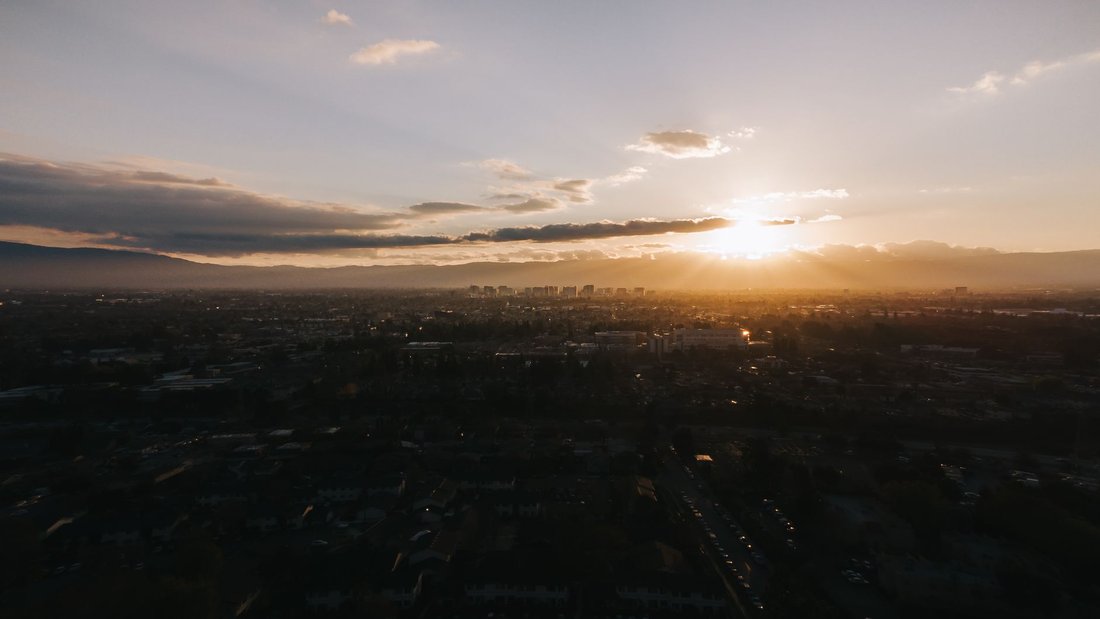
On the first Friday of the month, South First Street between San Fernando and Reed fills in a way that catches visitors off guard. Gallery doors stay propped open under string lights. A brass band sets up outside a storefront that used to be a bank, and food trucks line the curb until the sidewalk gets so thick you end up walking in the street, past murals and teenagers on skateboards who clearly do this every month. That crowd is one good answer to the question of things to do in downtown San Jose, a neighborhood with a real center, a mix of old brick storefronts and new office towers, and a rhythm that rewards people who walk it instead of driving through on the way to somewhere else.
A few blocks over on a game night, a different crowd moves the opposite direction, teal jerseys headed toward SAP Center. During a quiet weekday afternoon, the light through the stained glass at the Cathedral Basilica hits the marble floor in a way that has nothing to do with either crowd at all. The neighborhood holds all of those moods at once, sometimes in the same week, and this guide covers the museums, the food, the parks, and the events that add up to a full picture of the neighborhood rather than the postcard version.
Things to Do in Downtown San Jose: Museums and Culture
The museum cluster sits within a few blocks of each other, close enough that a person could hit three in an afternoon without moving the car.
The Tech Interactive
The Tech Interactive anchors the south end of Plaza de César Chávez with a curved silver facade that turns up in a lot of photographs of the city. Inside, the exhibits lean hands-on and rotate regularly, covering robotics, biotech, space exploration, and design challenges built for kids and adults to work through together. The IMAX dome theater runs science and nature films on a screen large enough to fill your whole field of vision. It started as a hands-on science museum decades ago and has grown into the kind of institution that Silicon Valley companies point to when they want to show off the region's engineering culture to visiting clients.
San Jose Museum of Art
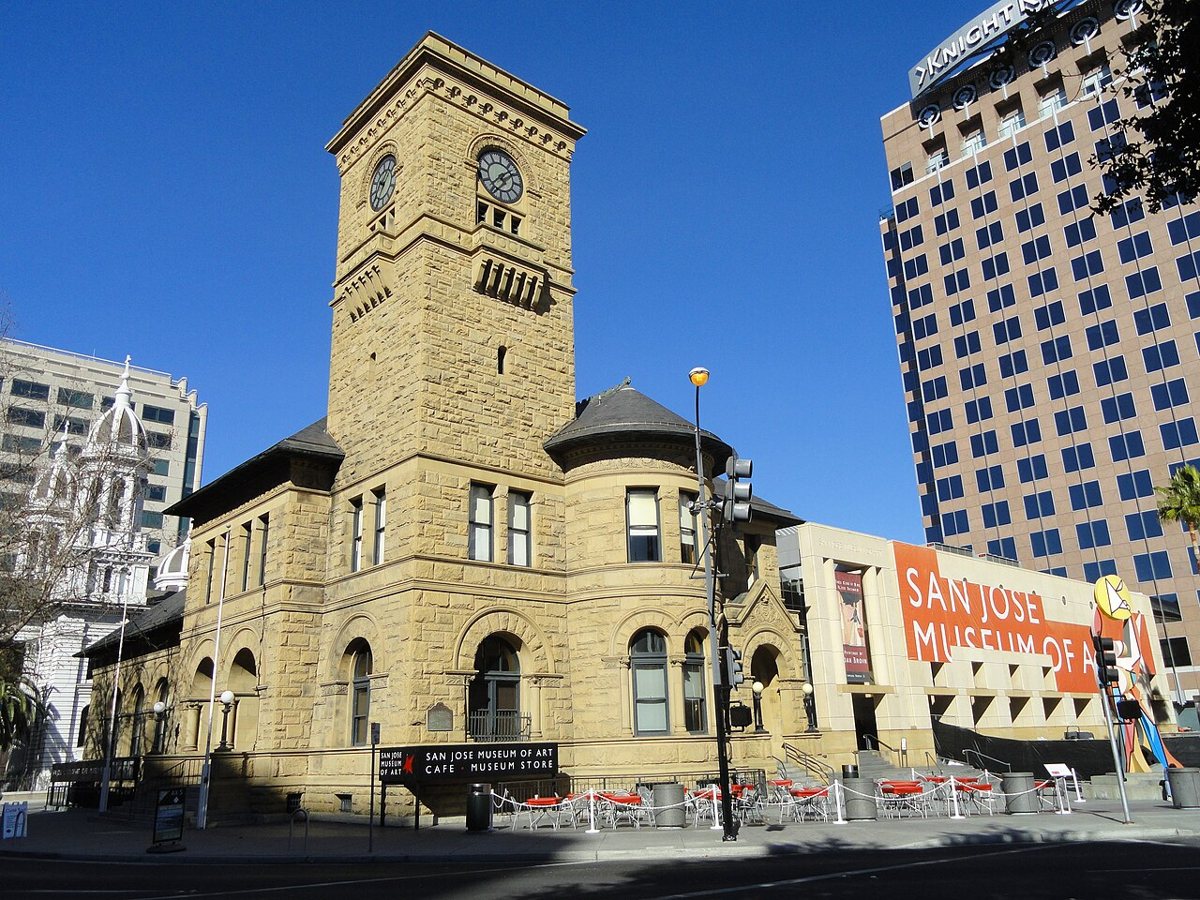
A block or two north, the San Jose Museum of Art occupies a building that started life as the city's original post office, a stone structure with an addition grafted onto the back. The permanent collection focuses on twentieth and twenty-first century American art, and the rotating shows tend toward contemporary work that would not feel out of place in a much larger city's museum district. It is smaller than the big San Francisco institutions, which is part of the appeal. You can see the whole thing in an hour and actually look at what is on the walls instead of shuffling through with a crowd. The museum also runs education programs tied to local schools and frequently partners with Bay Area artists on new commissions, which keeps the rotating galleries feeling current rather than like a static permanent hang.

Children's Discovery Museum San Jose
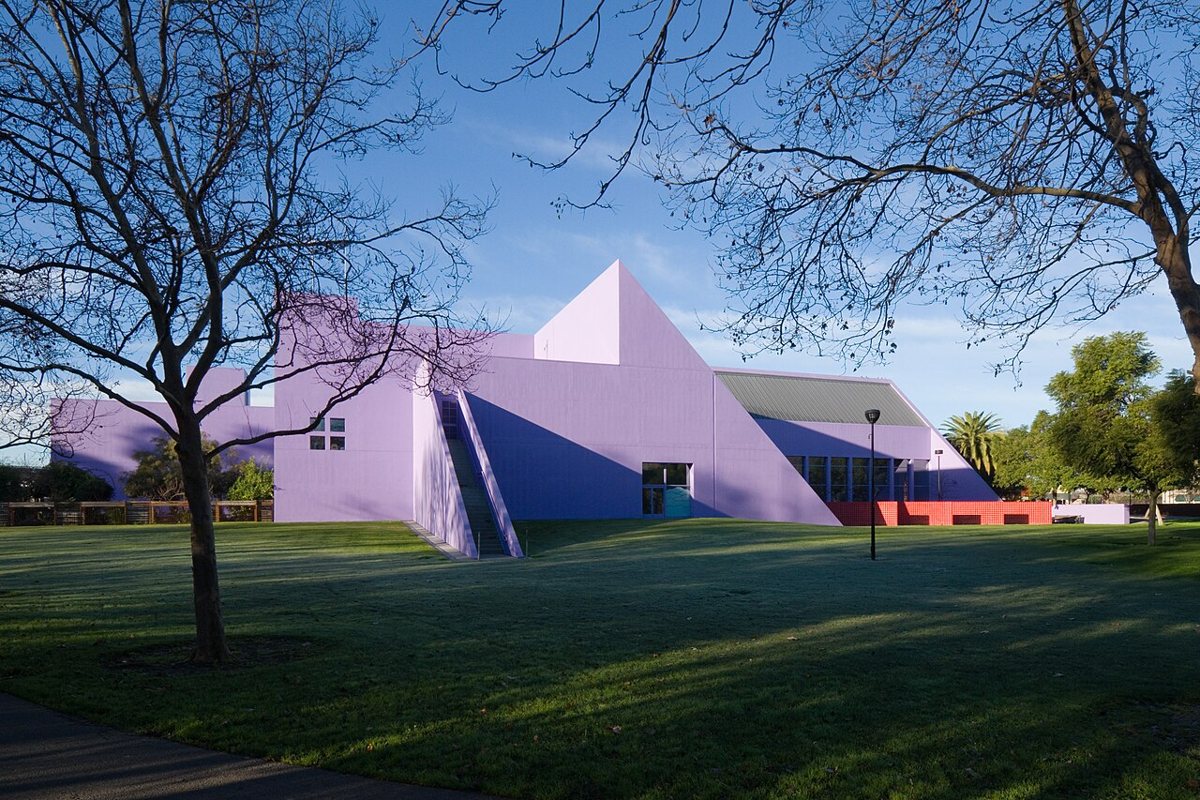
The purple building near the Guadalupe River, impossible to miss from the freeway, houses the Children's Discovery Museum. It is built for kids roughly age ten and under, with water tables, a bubble room, a bill of rights maze, and a decommissioned fire truck kids can climb into. Parents who grew up in San Jose often bring their own kids here and find the same exhibits they remember, updated but recognizable. It sits right along the Guadalupe River Trail, so a museum visit pairs easily with a walk along the water afterward.

MACLA and the Mexican Heritage Corridor
MACLA, the Movimiento de Arte y Cultura Latino Americana, operates a gallery space in the SoFA district dedicated to contemporary Latino and Chicano art, with shows that often address immigration, labor, and identity directly. It is a smaller nonprofit space than the big museums, and that is the point. This part of the city does not get talked about for its arts scene the way SoFA or the Mission does, but MACLA has been putting on serious, community-rooted programming for decades, hosting exhibitions, readings, and youth arts education alongside its gallery shows, and it deserves to be part of any real accounting of what the neighborhood offers. It sits a short walk from San Pedro Square, so pairing a gallery visit with dinner afterward is an easy way to spend an evening without leaving a six or seven block radius.
Food and Markets in Downtown San Jose
Eating downtown starts with one building and radiates out from there.
San Pedro Square Market
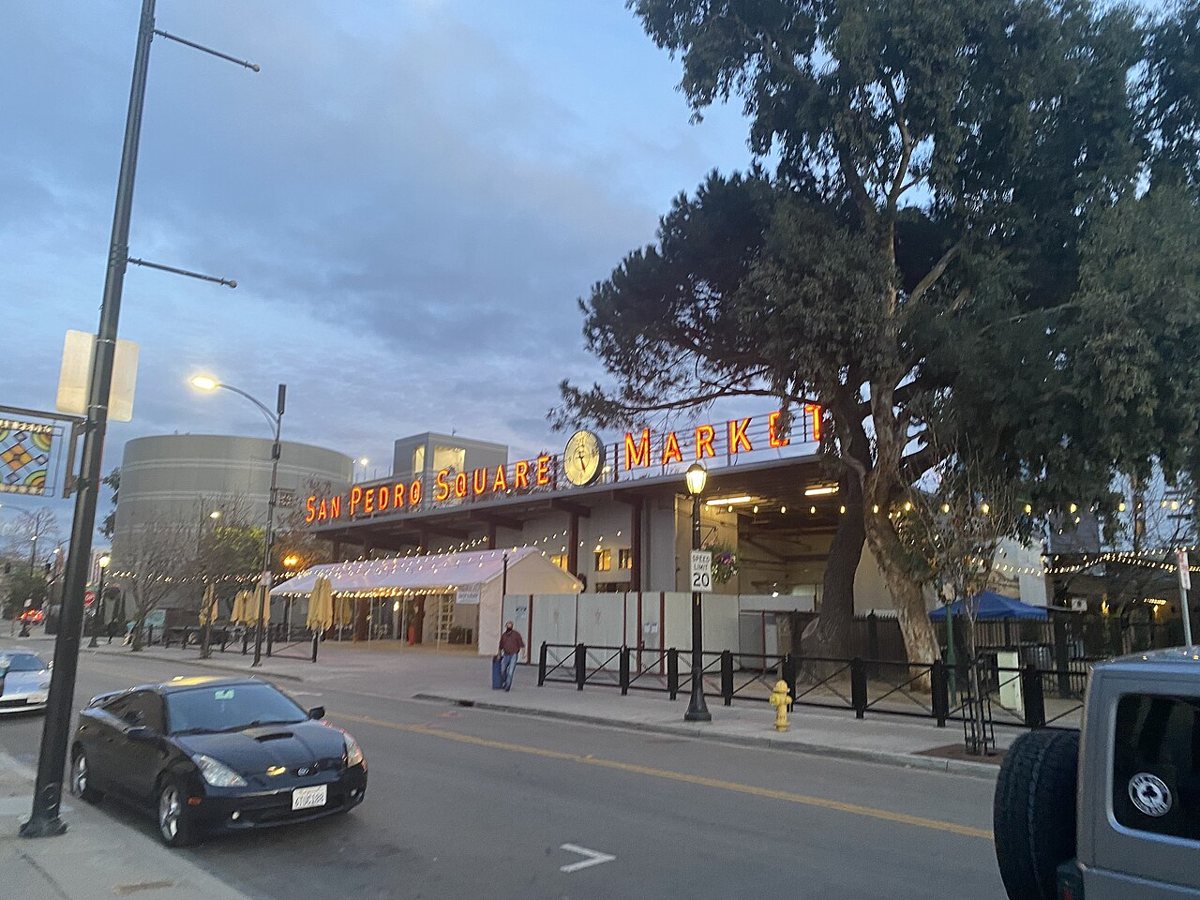
San Pedro Square Market took a collection of old brick warehouse buildings near the site of the city's original 1777 pueblo and turned them into an open-air food hall with a dozen or more stalls under string lights and heat lamps. By evening on a weekend, the communal tables fill with a mix of downtown office workers, Sharks fans killing time before a game, and families who have been coming for years. Vendors rotate, but the format stays the same: order from a handful of counters, grab a table outside, and stay for a second round because the patio is doing exactly what a public square downtown is supposed to do.

Taquerias and Mexican Bakeries Downtown
Walk a few blocks in almost any direction from the plaza and you will pass a taqueria or a panaderia that has been serving the same neighborhood for a generation. The core and the blocks bordering the Eastside share that food culture, and it would be dishonest to write about eating downtown without acknowledging that the Eastside's taco trucks and family-run kitchens are the reason San Jose's Mexican food holds up against anywhere else in the Bay Area. A lot of visitors stick to the restaurants clustered right around San Pedro Square and miss this entirely, which is a mistake if you actually want to eat well.
Coffee and Weekday Lunch Spots
The weekday food scene runs on the office workers who fill the towers around Market and First Streets, and that means a strong lineup of coffee shops, quick lunch counters, and bakeries clustered near the transit mall. Independent coffee shops have opened steadily over the past several years alongside the older diners and delis that have served the same downtown crowd for decades. It is worth timing a downtown visit around a weekday lunch hour at least once, since the energy on the street between eleven and one, office workers spilling out of lobbies, food trucks parked along the curb, is a different and quieter version of the same First Friday crowd.
Japantown, Just North of Downtown
Technically Japantown sits just north of the core downtown grid, but it is close enough, and important enough, that it belongs on this list. It is one of only three remaining Japantowns left in the United States, along with those in San Francisco and Los Angeles, and unlike those two, San Jose's has stayed a living, mostly residential neighborhood instead of turning into a tourist plaza. Family-run restaurants, a fish market, mochi shops, and Nichi Bei Bussan, a Japanese goods store that has operated for more than a century, all sit within a few walkable blocks. Go on a weekday afternoon and you will see the neighborhood functioning the way it always has, not performing for visitors.

Nightlife and Live Arts Downtown
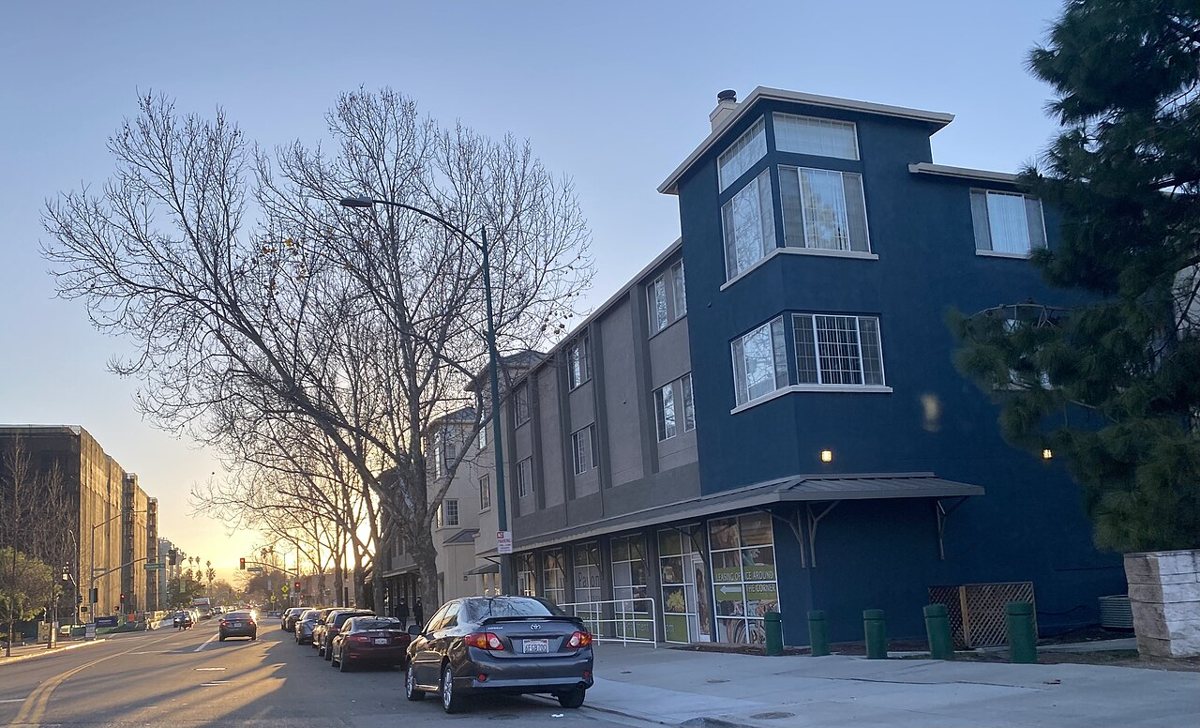
The after-dark scene splits between a handful of live venues and the bar-heavy blocks near San Pedro Square and the SoFA district. If you are mapping out a night that includes both dinner and drinks, downtown San Jose's bars cluster densely enough that you can walk between several without moving the car, and the mix runs from sports bars that fill up before Sharks games to quieter cocktail spots tucked into converted storefronts a block or two off the main strip.
SoFA District on First Fridays
South First Area, shortened to SoFA, runs along South First Street south of San Fernando and turns into an open-air arts walk on the first Friday of the month. Galleries extend their hours, sidewalk vendors set up, and the crowd skews younger than the rest of downtown, students from San Jose State mixed in with longtime residents who remember when this stretch was mostly empty storefronts. It is free to walk, which matters in a city where a night out can otherwise get expensive fast, and it is one of the clearest signs that downtown's arts identity runs deeper than a single museum or theater.
The Center for the Performing Arts and the Hammer Theatre
The two major stages sit close together. The Center for the Performing Arts hosts touring Broadway productions and Symphony Silicon Valley in a large formal hall built for big productions. The Hammer Theatre, run in partnership with San Jose State University, leans smaller and more experimental, with dance, theater, and film programming that changes throughout the year. Between the two, downtown covers a range from big-budget touring shows to work you genuinely cannot see anywhere else in the South Bay. Check current listings before you go, since programming shifts month to month.
Parks and Public Spaces Downtown
San Jose's downtown parks do real civic work. They host protests, farmers markets, ice rinks, and free concerts depending on the season, and they give the neighborhood its outdoor living room.
Plaza de César Chávez
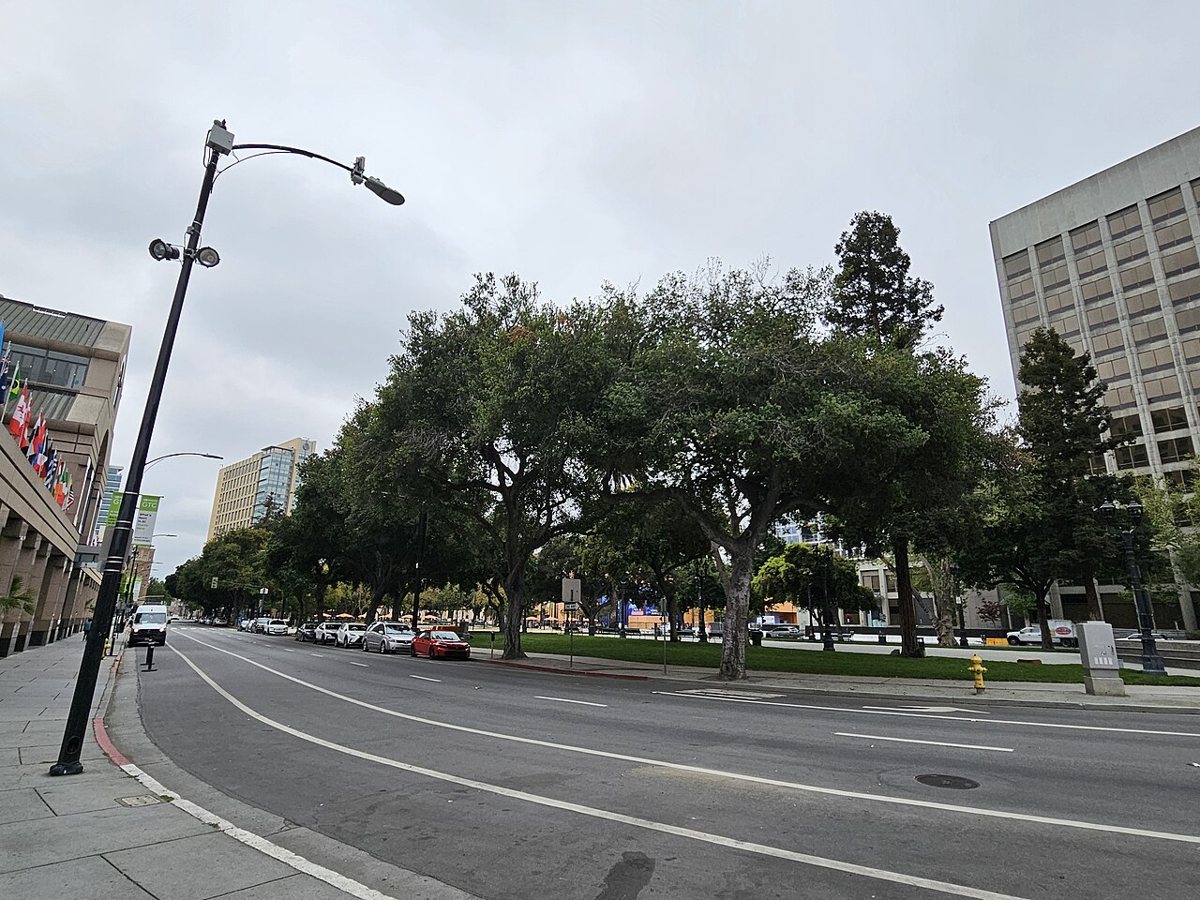
The plaza at the center of downtown, renamed for the labor leader in the 1990s, sits between the Fairmont hotel and The Tech Interactive and functions as the city's default gathering spot. There is a large fountain kids run through on warm days, open lawn for sitting, and a rotating calendar of free public events, from holiday tree lightings to outdoor film screenings to a seasonal ice rink. It is the closest thing downtown has to a town square, and on a clear day with the fountain running and the office towers catching the light, it makes as strong a case as anything for San Jose being an actual city with an actual center.

St. James Park
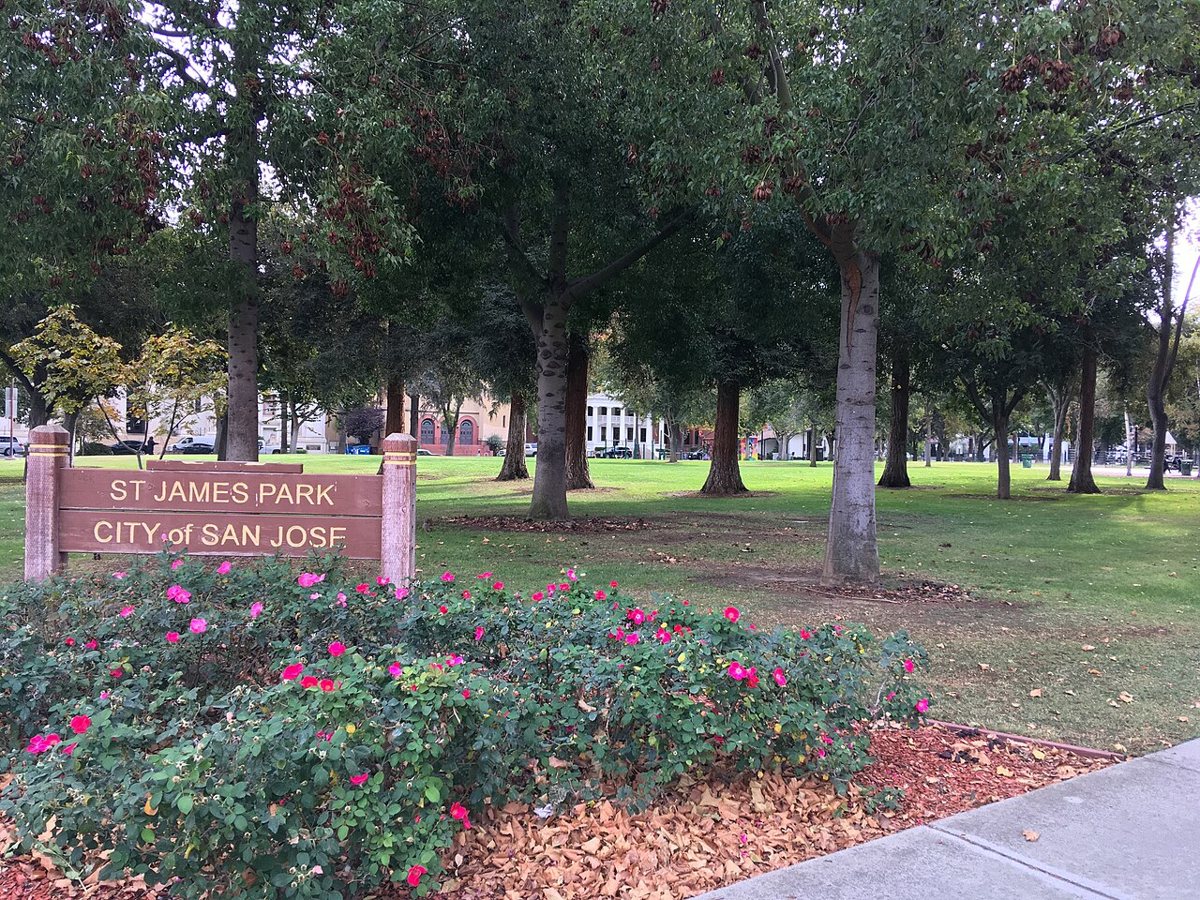
A few blocks north, the neighborhood's oldest plaza carries a heavier history. It was San Jose's original central plaza, the site of political rallies, a notorious 1933 lynching that remains part of its history, and decades of civic life both good and bad. The park underwent a major renovation in recent years, with new lighting, a redesigned lawn, and restored historic elements, aimed at making it a functional public space again after a long stretch of neglect. It is worth a visit specifically because it is not polished for visitors. It is a working piece of the city's actual history, next to the historic courthouse and a cluster of government buildings.

The Cathedral Basilica of St. Joseph
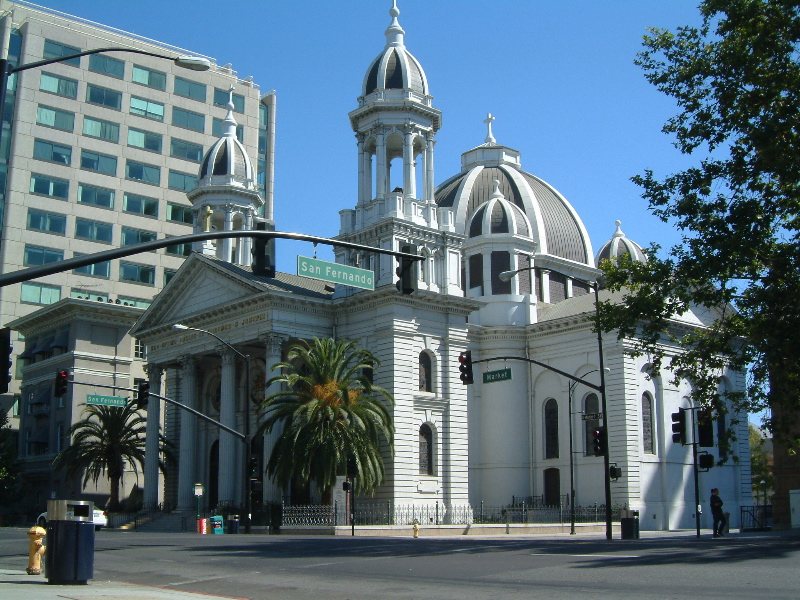
A block from the plaza, the basilica has stood on this site in some form since the city's earliest days as a Spanish pueblo, with the current domed building dating to the late 1800s. Step inside on a weekday afternoon and the light through the stained glass hits the marble in a way that stops even people who walked in just to get out of the sun. It is a working parish and a minor basilica, not a museum, so visits should be quiet and respectful of anyone there to pray. Architecturally, it is one of the few downtown buildings that predates almost everything else on the skyline around it, a reminder that this stretch of Market Street was a functioning town center generations before the first tech campus broke ground anywhere in the valley.

History Park and the Japanese Friendship Garden
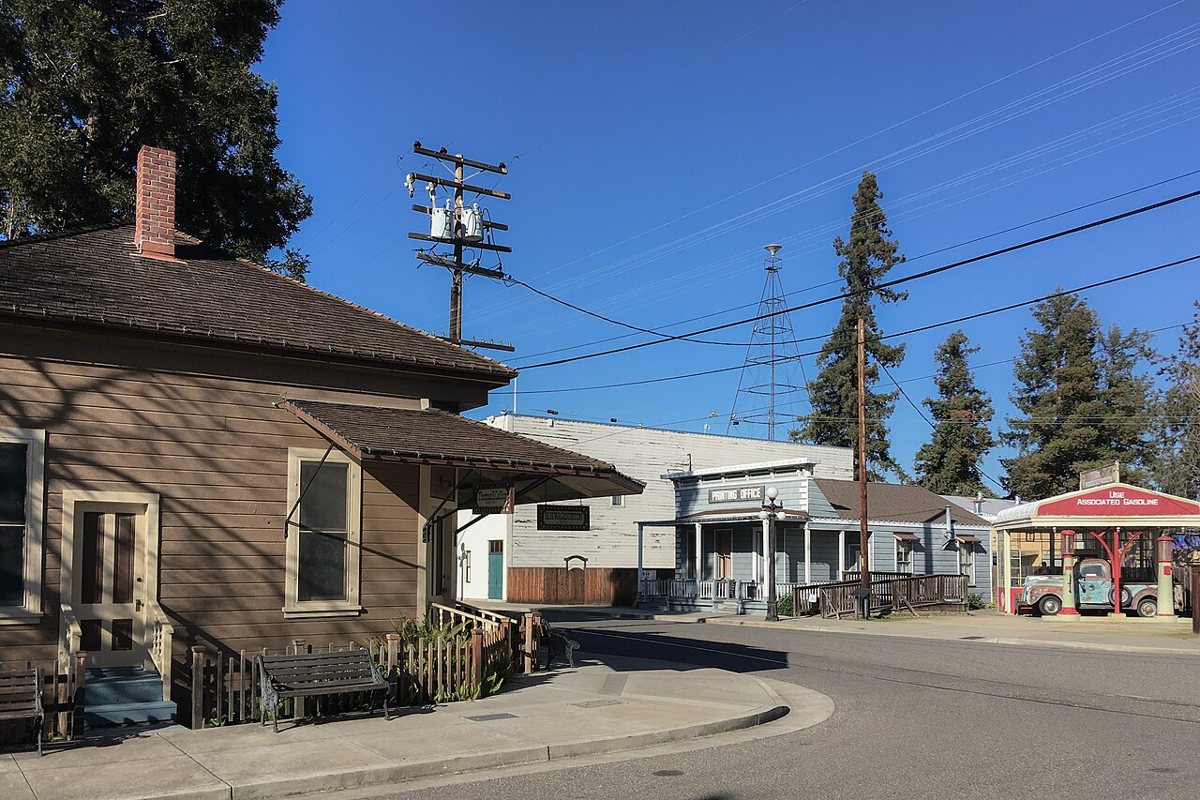
South of downtown proper, inside Kelley Park, two spots are worth the short drive or light rail ride. History Park has relocated and reconstructed more than two dozen historic San Jose buildings into a walkable village, including a replica of the Electric Light Tower that once stood downtown, giving visitors a sense of what the city looked like before the tech industry reshaped it. Next door, the Japanese Friendship Garden, modeled on a garden in San Jose's sister city of Okayama, offers koi ponds, koi feeding, and a quiet, formally landscaped counterpoint to the noise of downtown a few miles north. Neither is technically downtown, but both are close enough, and essential enough to the city's story, to include on any honest list.
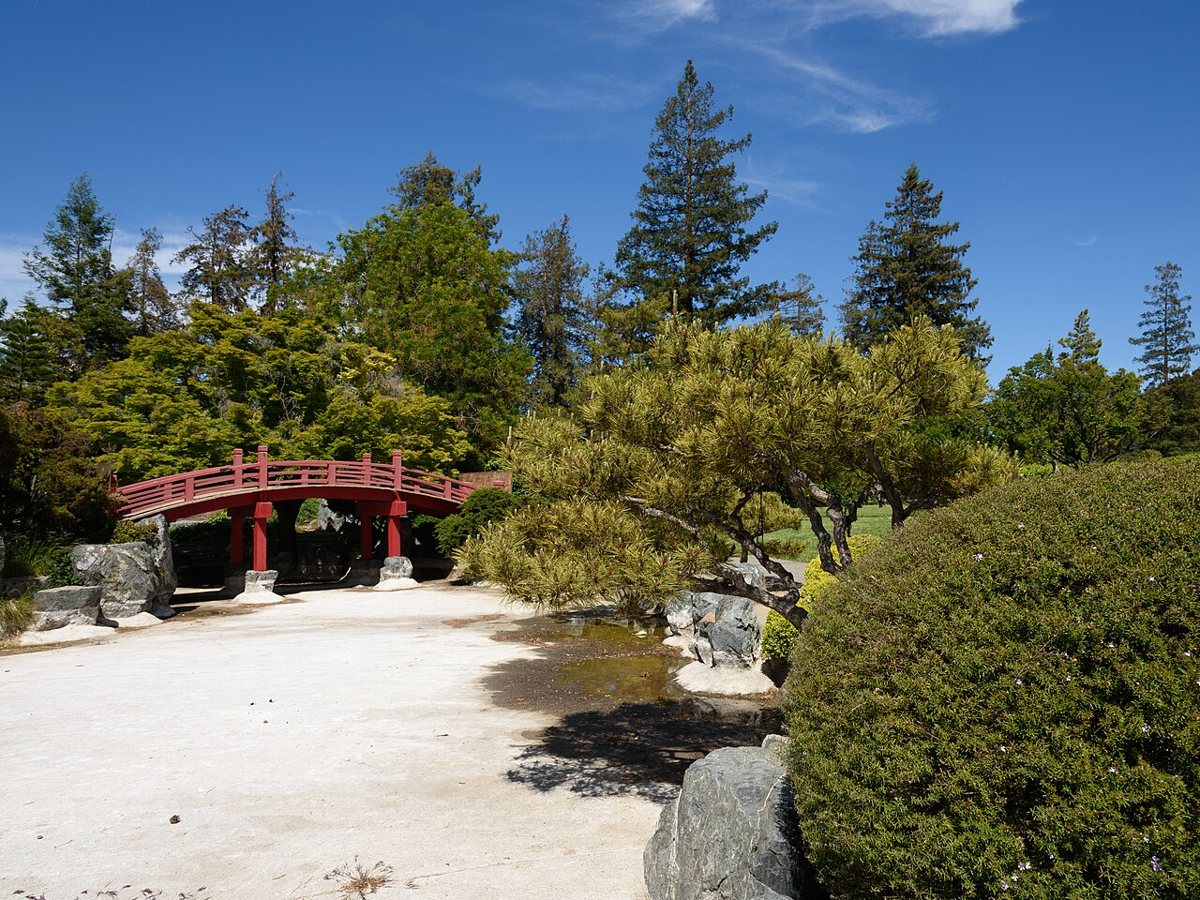

The two sit close enough inside Kelley Park that most visitors walk between them in the same afternoon, pairing the quiet of the garden with the more hands-on, walk-through-history feel of the reconstructed village next door.

Sports and Big Downtown Events
Nothing changes downtown's energy faster than a game night.
SAP Center and Sharks Game Nights
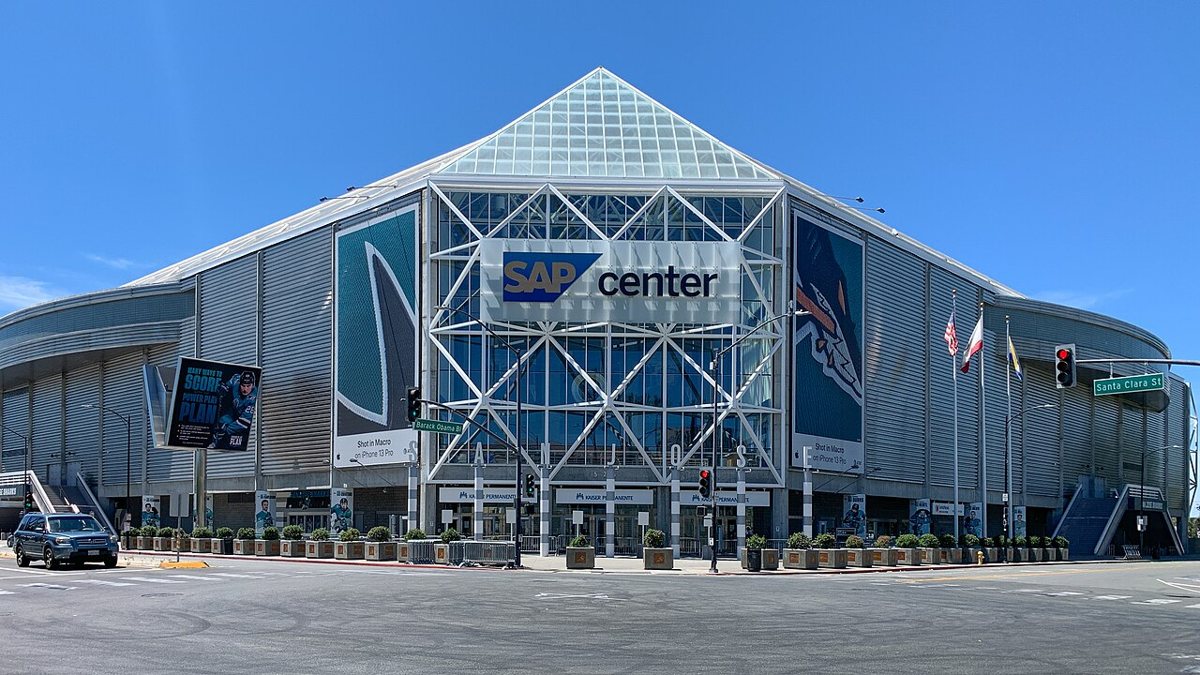
SAP Center sits at the northwest edge of downtown, home to the San Jose Sharks and a regular stop for major touring concerts and other live events throughout the year. On a game night, the streets around the arena fill with teal jerseys hours before puck drop, bars nearby run at capacity, and the energy spills over into San Pedro Square a few blocks away. Even people who do not follow hockey closely can feel the shift in the neighborhood, a surge of people moving in one direction, parking structures filling up, the arena lit up against the sky. It is downtown San Jose at its loudest and, for a lot of longtime residents, its most recognizably itself. Beyond hockey, the arena books major touring musical acts throughout the year, so it is worth checking the schedule even for a trip with no interest in sports, since a concert night brings out roughly the same surge of energy to the streets around it.

San Pedro Square and Plaza Events
Beyond Sharks games, downtown's event calendar runs through the plaza and San Pedro Square with farmers markets, seasonal festivals, and outdoor concerts that draw people from across the South Bay, not just the immediate neighborhood. San Jose Jazz Summer Fest and other music events have used downtown's open spaces for large-scale programming that pulls in a genuinely regional crowd, further evidence that dismissing this city as a suburb without a cultural center misses what is actually happening on the ground here. Holiday season brings its own calendar too, with tree lighting ceremonies and an outdoor ice rink that turns the plaza into one of the more popular winter destinations in the South Bay, packed with families most weekend nights through the season.
Getting Around Downtown San Jose
The core is compact enough to cover mostly on foot once you are parked or off the train, which makes the logistics simpler than a lot of visitors expect. The core sits inside a grid bounded roughly by the Guadalupe River on the west and the SoFA district on the south, with the museum cluster, the plaza, and San Pedro Square all within easy walking distance of each other. Anyone coming from elsewhere in the South Bay or from San Francisco by Caltrain can reach downtown without needing a car for the day, which is not something every part of San Jose can claim.
Timing matters more downtown than in most San Jose neighborhoods, since the crowd on a Tuesday afternoon looks nothing like the crowd on a First Friday night or a Sharks playoff game. Weekday mornings and early afternoons are the quietest stretch, good for museum visits without lines. Evenings pick up steadily as office workers give way to dinner crowds, and weekends bring the biggest swings depending on whether there is a game, a festival, or a First Friday on the calendar.
- VTA light rail runs directly through downtown with several stops, including one near Plaza de César Chávez and The Tech Interactive, making it possible to skip driving entirely if you are coming from elsewhere in the valley.
- Parking garages are scattered throughout downtown near San Pedro Square, SAP Center, and the museum district; rates and availability shift on event nights, so check current pricing before you go, especially during a Sharks game or a large concert.
- Most of the sights in this guide sit within a fifteen-minute walk of each other, so once you arrive, plan to leave the car and cover the core on foot.
- Free activities downtown include walking the plaza, visiting MACLA, browsing San Pedro Square Market without buying anything, First Fridays in SoFA, and stepping into the Cathedral Basilica during open hours.
- Evenings and weekends bring the biggest crowds, particularly during First Fridays and Sharks games, so arrive early if you want easy parking or a table at San Pedro Square Market.
Downtown also works as a jumping-off point for things to do across San Jose, since the light rail and a short drive connect it to Japantown, the Eastside, Willow Glen, and the rest of the neighborhoods that make up the wider city.
The Local Take
People who only pass through on a work trip tend to leave with a narrow impression of downtown San Jose, a few office towers and a hockey arena, and move on. That misses what is actually here: a museum cluster you can walk between, a Japantown that has survived as a living neighborhood rather than a tourist set piece, a park with real civic scars and a real renovation to show for it, and a monthly arts walk that fills a street with more people than most cities manage on a holiday weekend. None of it needs to be measured against San Francisco to matter, and comparing the two misses the point of what makes this particular downtown worth visiting on its own. Downtown San Jose works on its own terms, at its own scale, for the people who actually live here and the people willing to park the car and walk a few blocks to find out what is going on. Come for a Sharks game if that is what brought you here, but stay long enough to see the plaza on a quiet afternoon or catch a First Friday, and the picture of downtown gets a lot bigger than the one most visitors leave with.