Best Things to Do in San Jose You Shouldn't Miss
A local runs down the best things to do in San Jose, block by block, from SAP Center to the pho counters of Berryessa, without once treating this city as anyone's suburb.
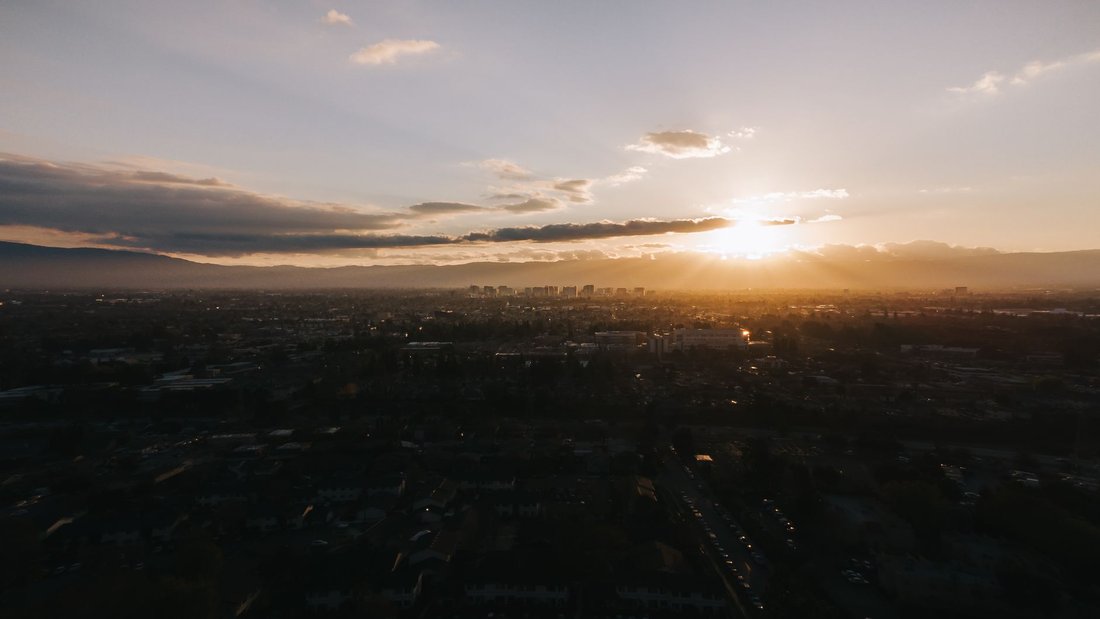
Six on a Saturday morning in the Rose Garden neighborhood, sprinklers still ticking in the dark, and there's already a jogger circling the Municipal Rose Garden before the gates officially open. By nine, Lincoln Avenue in Willow Glen has a line for coffee. By noon, Story Road is thick with the smell of carne asada off a dozen different trucks. This is a city of a million people that runs on its own clock, and most guides to it read like they were written by someone who drove through once on the way to somewhere else. Not this one. What follows is a real accounting of the best things to do in San Jose, organized the way a local actually moves through it: downtown for the big civic stuff, Japantown and Kelley Park for culture, the Eastside and Berryessa for the food that defines this place, and the neighborhoods in between for everything that makes San Jose feel lived-in rather than passed through.
The city gets overshadowed constantly, mostly by geography and mostly unfairly. It has the population to be the Bay Area's biggest city and the coverage of a footnote. None of that changes what's actually here: a downtown with a professional hockey arena and a serious art museum inside walking distance of each other, one of the last three Japantowns left in the country, a park system built around a genuinely strange Victorian mansion, and neighborhoods on the Eastside and in Berryessa that quietly hold some of the best Vietnamese and Mexican food in Northern California. Here's where to actually go.
The Best Things to Do in San Jose, Area by Area
San Jose doesn't have one central strip you can walk in an afternoon. It has districts, each with its own gravity, and the trick to seeing the city well is picking a neighborhood and staying in it for a few hours instead of trying to hit six things in one loop. Start downtown, then let the rest unfold from there.
Downtown San Jose: Where the City Shows Off
Downtown is the compact version of San Jose's whole argument for itself: a real skyline, a working arena and serious museums, all inside a fifteen-minute walk of each other. It's also the easiest part of the city to do on foot, which makes it the right place to start a first visit.
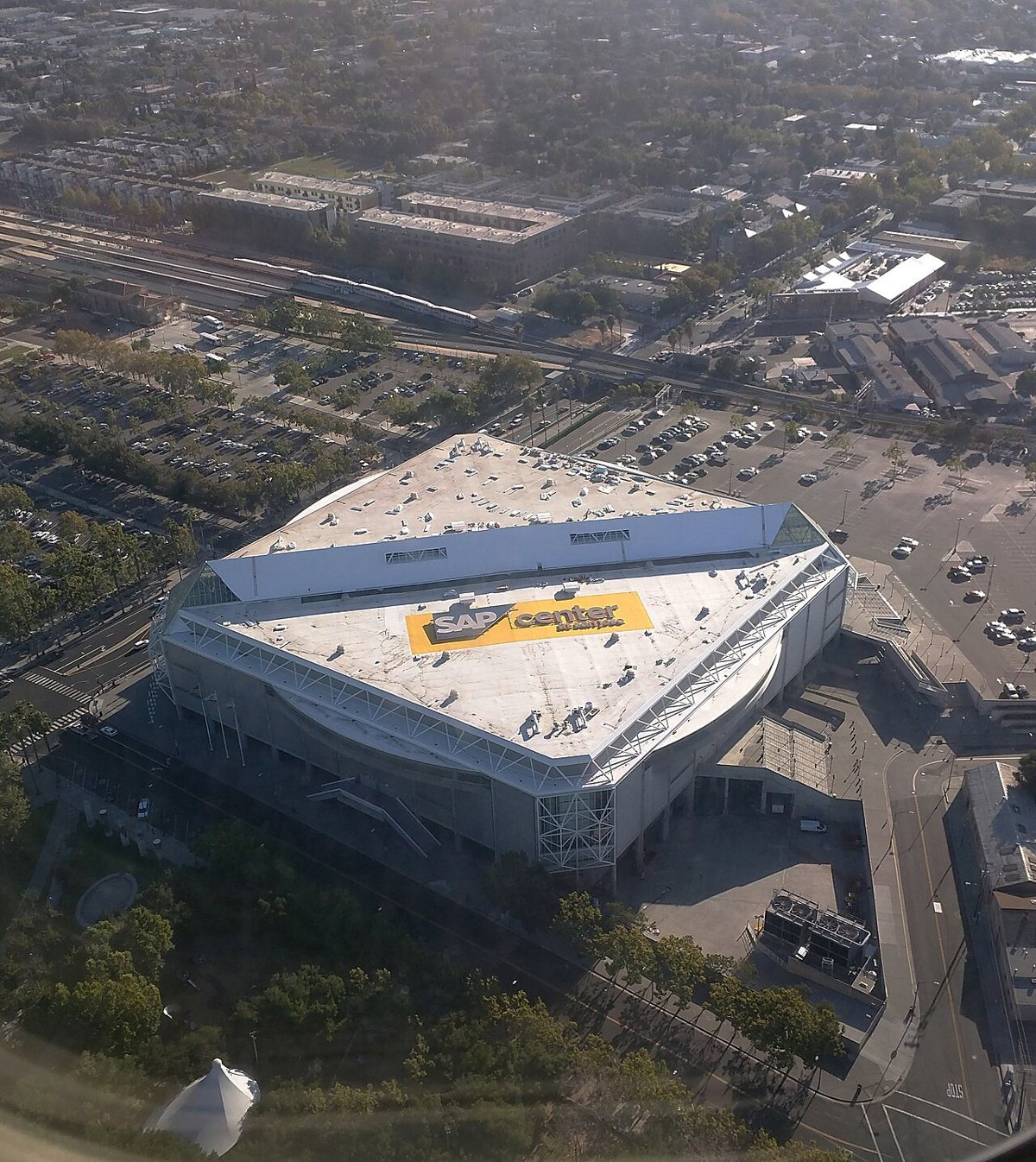
SAP Center
The Sharks play here, and on a game night the whole block around it turns into the closest thing San Jose has to a stadium district, teal jerseys pouring out of light rail stops and parking garages. Even outside of hockey season the building hosts a steady run of concerts and touring shows, so it's worth checking what's on regardless of the month. The move for a first visit is to catch a Sharks game if the timing lines up, since the crowd noise in that building during a third period is a genuine San Jose experience, not a manufactured one. If there's no game, the plaza outside is still worth a walk past on your way toward the rest of downtown.

The Tech Interactive
Locals just call it the Tech. It's a hands-on science and technology museum built for a city that considers itself the actual capital of Silicon Valley, not just its zip code. The exhibits rotate through robotics, biotech, space, and design themes, and the giant dome theater runs large-format films that are worth the extra ticket if you've got time. Kids run this place, but it holds up for adults too, especially the sections built around real engineering problems rather than novelty gadgets. Go on a weekday morning if you can. Weekend afternoons pull school groups and birthday parties in numbers that make the exhibits harder to actually use.
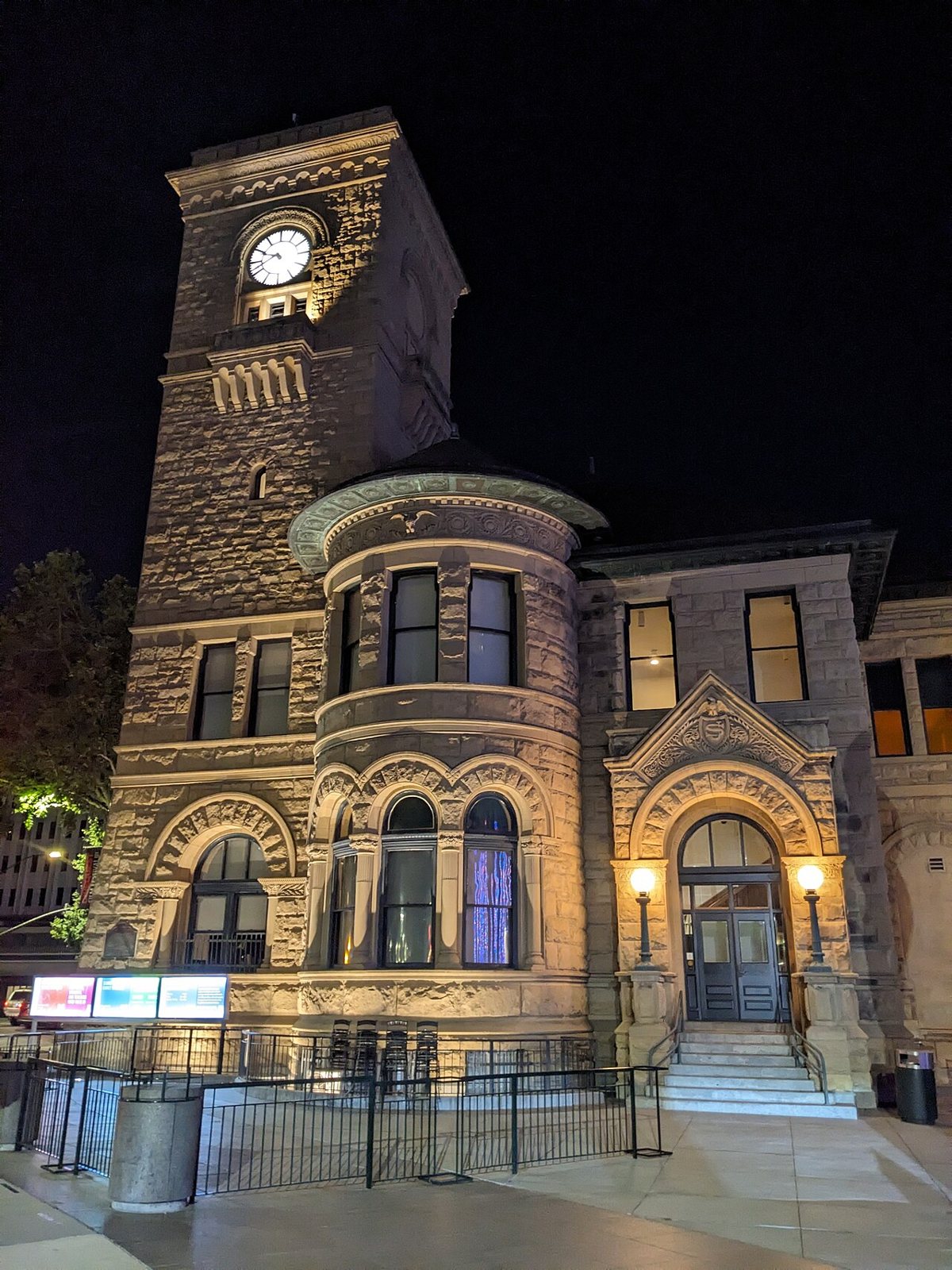
San Jose Museum of Art
It doesn't try to be encyclopedic, and that's its strength. It focuses on modern and contemporary work, with rotating exhibitions that lean toward California and West Coast artists more than a lot of bigger institutions bother to. The building itself, a converted post office turned gallery space, is worth a slow walk through even between major shows. It sits close enough to Plaza de Cesar Chavez that a museum visit pairs naturally with a walk through the park afterward, especially if there's a fountain running and kids splashing through it, which there usually is on a warm afternoon.

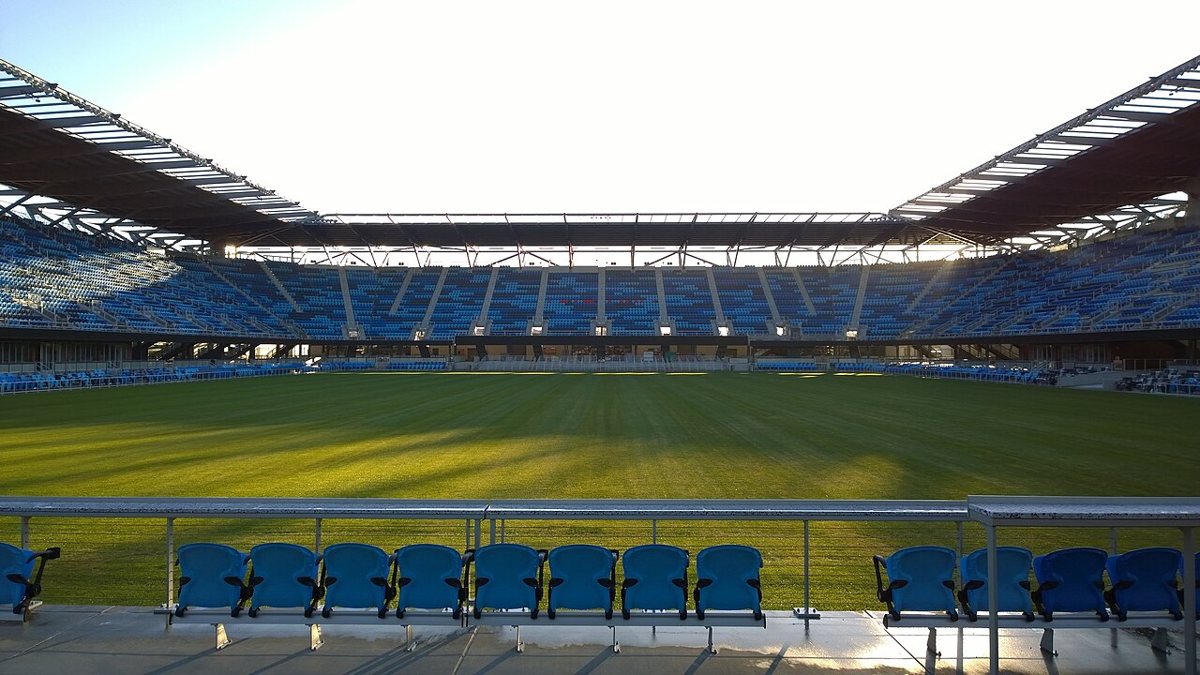
PayPal Park
Home to the San Jose Earthquakes, and one of the few soccer-specific stadiums in Major League Soccer, which means the sightlines are built for the sport rather than retrofitted from a football stadium. The Earthquakes have one of the league's more intense supporter sections, and a Saturday match here has a drum-and-flag energy that surprises people who assume soccer in the U.S. is a quiet affair. It's a short trip from downtown proper, and on match days the surrounding lots turn into informal tailgates that are worth arriving early for.

First Fridays in SoFA
The South First Area, known to everyone as SoFA, turns into an open-air art walk on the first Friday of most months, with galleries staying open late, local vendors setting up along the sidewalk, and a crowd that skews younger and more local than most downtown nights. It's free to walk through, unstructured by design, and a good way to see a side of downtown that doesn't revolve around the arena. Check current dates before you plan around it, since the schedule shifts through the year, but the district itself is worth a wander any evening for its murals and small galleries.
Japantown and Kelley Park: San Jose's Cultural Core
North of downtown, San Jose Japantown and, further out, the cluster of attractions inside Kelley Park make up the part of the city with the deepest institutional history. None of it is a themed shopping district built for tourists. It's one of three Japantowns left standing in the entire country, still anchored by families and businesses that have been there for generations.
San Jose Japantown
Walk Jackson Street and the blocks around it and you'll find noodle shops, a Japanese American history museum, a mochi shop with a line that forms before it opens, and a grocery store that's been a neighborhood fixture for decades. Japantown isn't a re-creation. It survived internment and decades of development pressure that erased most other Japantowns nationally, and it's still a working neighborhood rather than a preserved-for-visitors version of one. Go hungry, walk slow, and don't rush past the small shops that don't look like much from the sidewalk. Those small ones are usually the best.
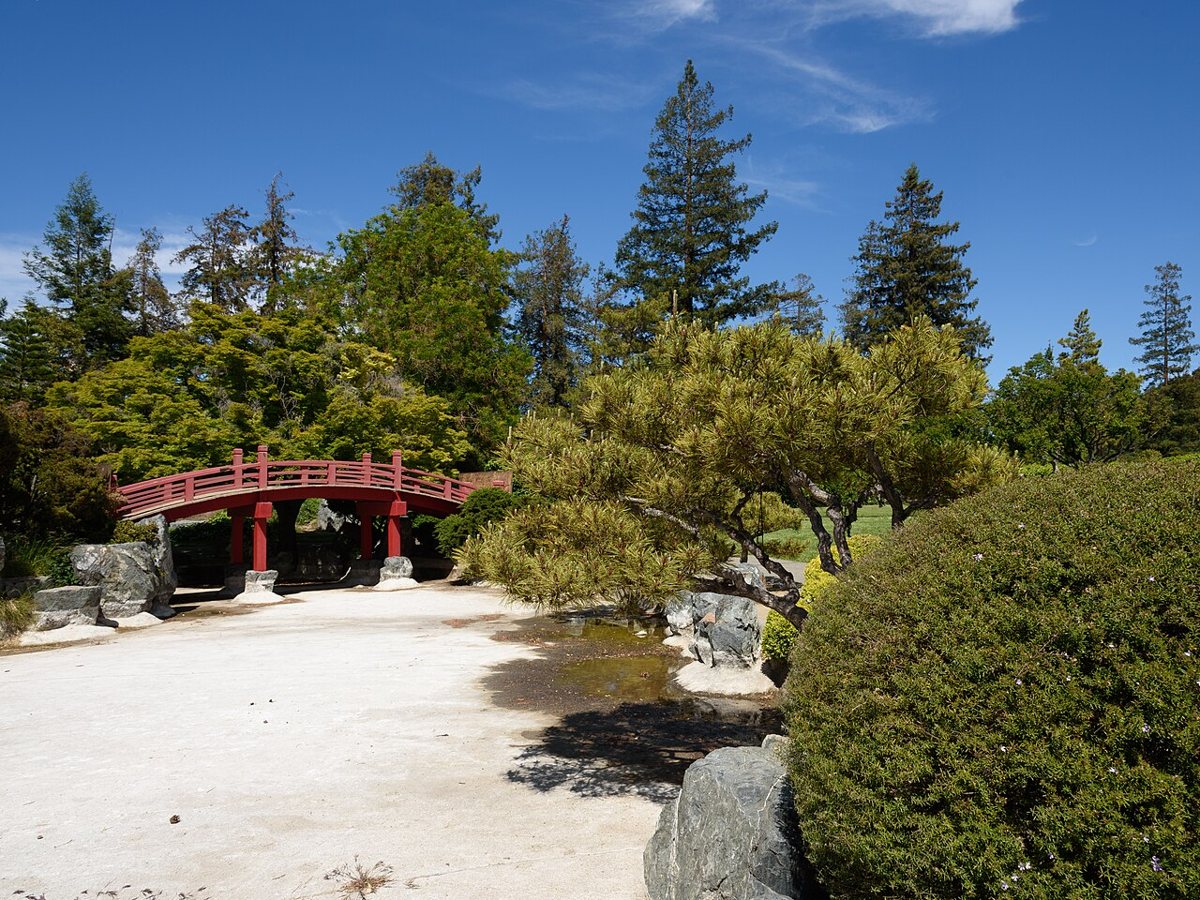
Japanese Friendship Garden
Tucked inside Kelley Park, this garden was built as a gesture between San Jose and its sister city Okayama, and it's laid out with koi ponds, stone lanterns, arched bridges and a teahouse that make it feel much larger than its actual footprint. It's one of the more genuinely peaceful spots in the city, especially early on a weekday morning before the koi feeding crowds show up. The garden is usually free or very low cost to enter, though it's worth checking current hours since they shift seasonally. Bring quarters for the koi food dispensers if they're available. The fish here are enormous and completely unbothered by people.

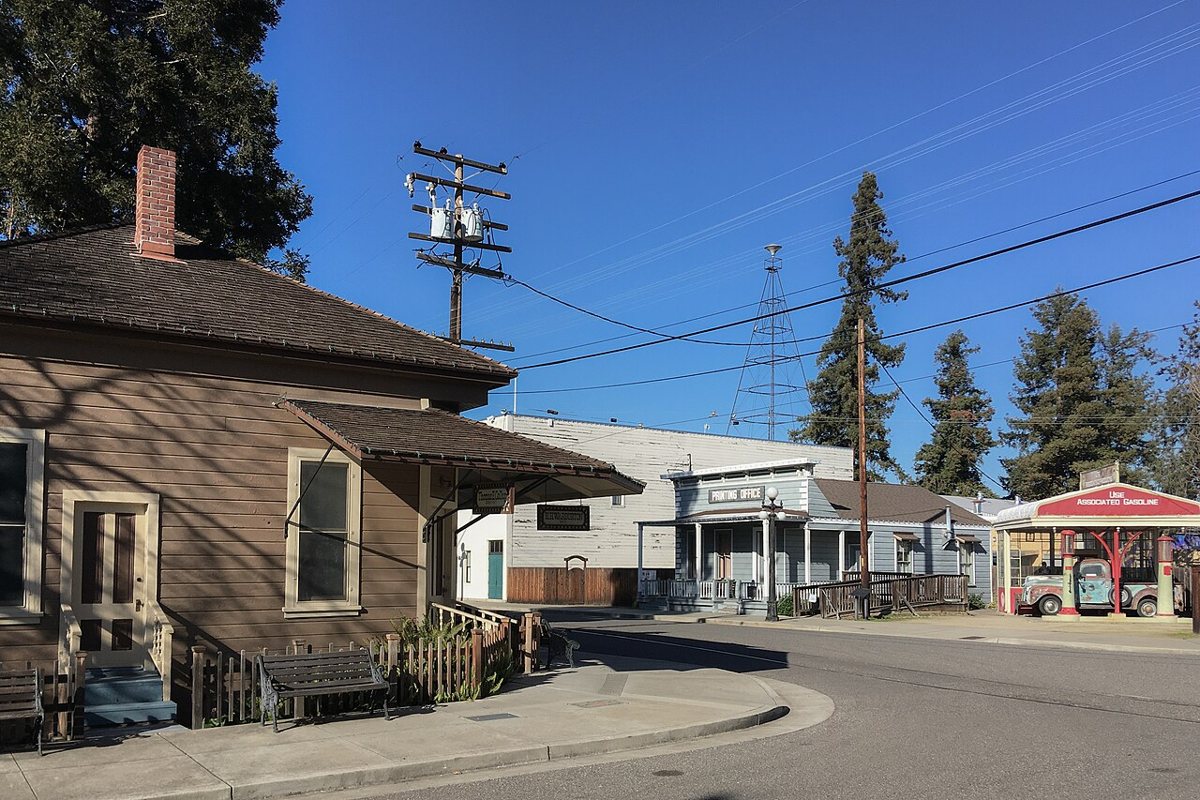
History Park
Also inside Kelley Park, History Park is a collection of relocated and reconstructed historic buildings, from an old firehouse to a replica of the Electric Light Tower that once stood downtown, laid out like a small walkable town from the city's past. It's a strange, effective way to understand how San Jose actually grew, from an agricultural town into an industrial city and then into whatever it is now. Weekends sometimes bring costumed docents and demonstrations, but it's worth a visit even on a quiet weekday when you can wander the grounds without a crowd.

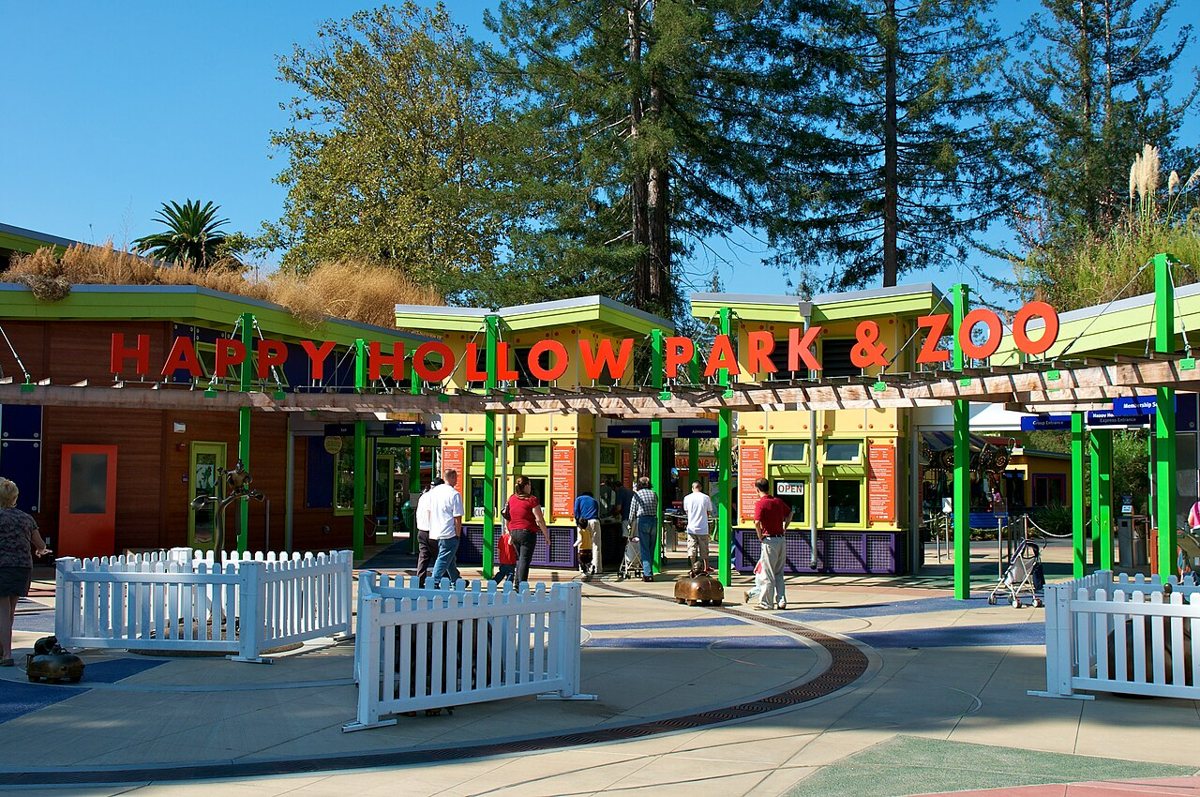
Happy Hollow Park and Zoo
The third attraction inside Kelley Park's cluster, and the one that belongs squarely to families with younger kids. It's a small zoo paired with a handful of gentle amusement rides, built at a scale that doesn't overwhelm little kids the way a full-size theme park does. It's not trying to compete with the big Bay Area zoos, and it doesn't need to. The carousel alone, restored and still running, is worth the stop. Pair it with the garden and History Park next door and you've got most of a day covered inside one park.

The Eastside: The City's Backbone
Any honest guide to the best things to do in San Jose has to spend real time on the Eastside, because this is where the city's working-class Latino community has built the food scene that locals actually eat from every week, not the version that gets written up for tourists. Story Road and the surrounding blocks are lined with taquerias and taco trucks that don't need reviews to stay busy, plus panaderias turning out pan dulce every morning and murals that document decades of community history on walls that never made it into a downtown redevelopment plan. The Eastside is no detour from San Jose. It's the part of the city that keeps the rest of it running, and spending an afternoon eating your way down the taco trucks and taquerias along Story Road tells you more about San Jose than most of downtown does. Go with cash, go hungry, and don't rush.
Berryessa: The Food Corridor Nobody Outside San Jose Talks About
Berryessa, on the city's northeast side, holds one of the strongest concentrations of Vietnamese food in Northern California, built by a community that's been putting down roots here for decades. Pho spots with lines out the door on Sunday mornings sit blocks from banh mi counters and com tam plates that put most Bay Area versions to shame, clustered around shopping centers that don't look like much from the parking lot and deliver completely on the inside. Berryessa is the kind of neighborhood that never shows up on a generic top-ten list because it doesn't have a single landmark to photograph, just block after block of family-run kitchens. Spend a morning working through the pho and banh mi shops along Berryessa's food corridor and you'll understand why locals consider this one of the city's most essential food destinations, landmark or not.
West San Jose's Strangest Landmark
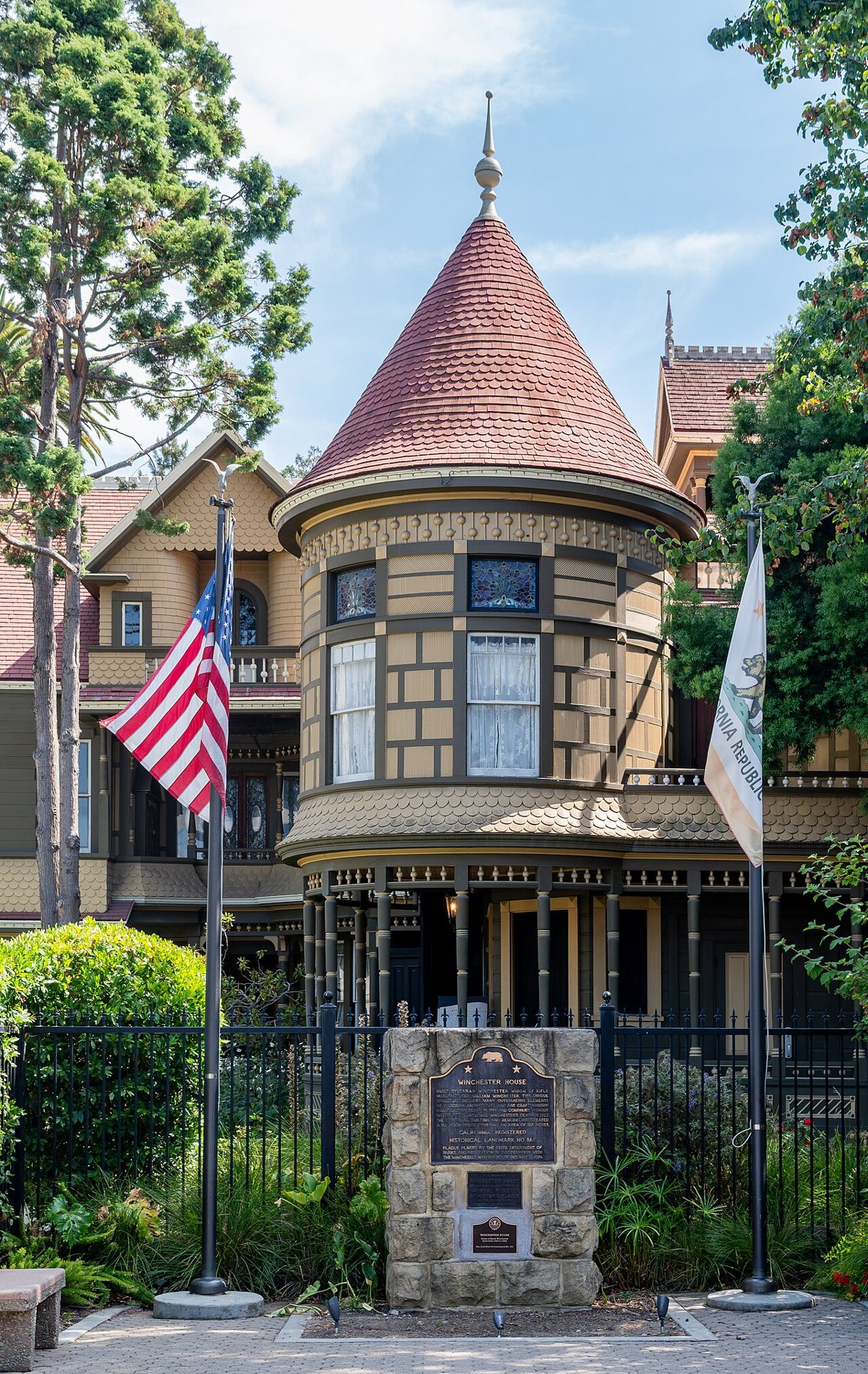
Winchester Mystery House
Sarah Winchester's sprawling, architecturally chaotic mansion is the closest thing San Jose has to a genuine oddity, a Victorian house built and rebuilt continuously for decades with staircases that dead-end into ceilings and doors that open onto walls. The tours cover the history and the legends in roughly equal measure, and there are multiple tour options depending on how much of the strange architecture and how much of the ghost-story lore you're after. It's touristy in a way most of the rest of this list isn't, and that's fine. It earned that reputation honestly, and it's still one of the more distinctive things to actually do in the entire city rather than just look at.

Rose Garden and Willow Glen: Neighborhood Life Done Right
Municipal Rose Garden
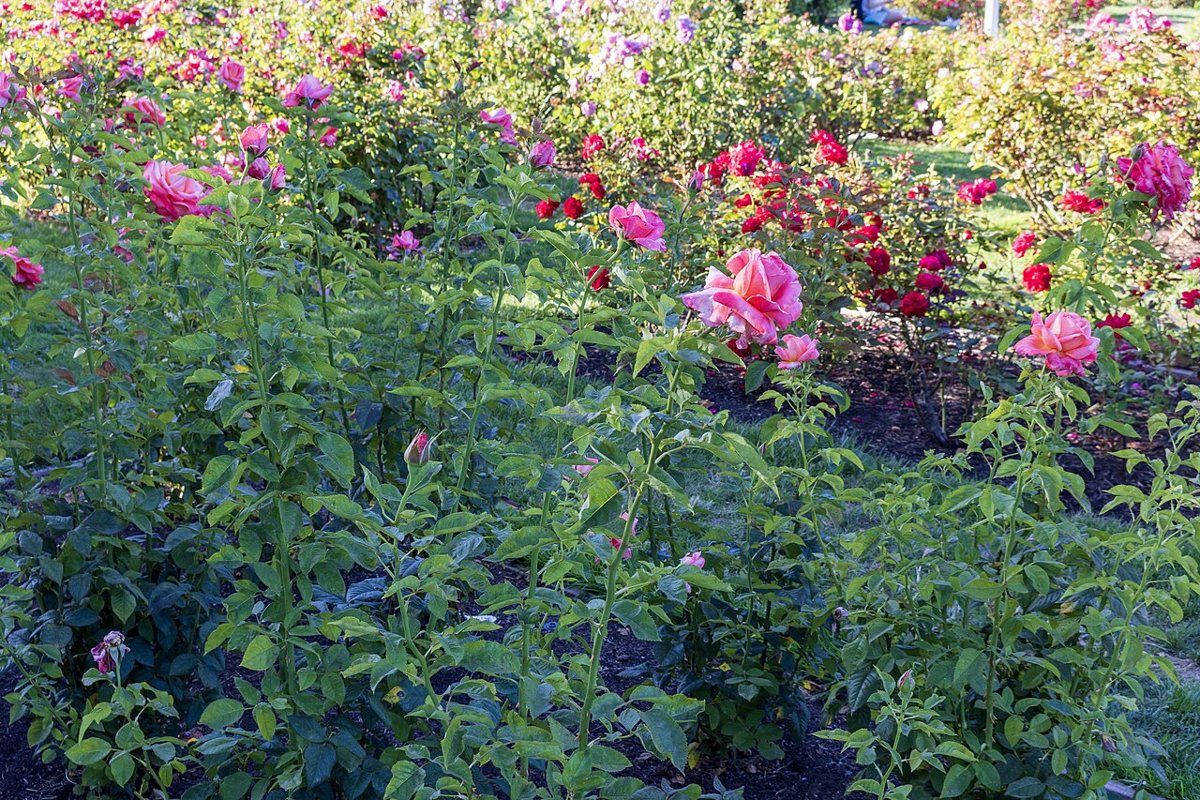
This is a genuine civic treasure and it costs nothing to walk through. Thousands of rose bushes across dozens of varieties fill several acres near the Rose Garden neighborhood, and the peak bloom in late spring turns the whole park into a magnet for wedding parties and quinceanera photo shoots on a good weekend. Even outside peak bloom it's worth the walk, shaded by mature trees that make it one of the more comfortable spots in the city on a hot afternoon. Early morning is the move if you want the paths to yourself.

Willow Glen
Willow Glen runs on Lincoln Avenue, a walkable strip of independent shops and neighborhood restaurants that has kept its own identity even as the rest of the city has changed around it. There's no single headline stop here so much as a mode: park the car, walk the avenue, stop wherever looks good, and let the neighborhood set the pace. It's the kind of area that rewards a slow Saturday more than a checklist, with enough independent shops and patios to fill a full afternoon without ever feeling like a destination built for visitors.
Santana Row and Valley Fair: Shopping as a Destination
Santana Row
Santana Row is an open-air shopping and dining district built to function as a genuine neighborhood rather than a mall, with residential units above the storefronts, a hotel, and enough restaurants and bars to keep the sidewalks busy well into the evening. It sits right across the street from Westfield Valley Fair, so the two together cover nearly every kind of shopping the South Bay has to offer. The real draw for a lot of locals isn't the retail at all, it's the outdoor dining scene on a warm evening, with patio seating that stays full long after the stores have closed. Come for dinner rather than for the shopping and you'll get the better version of this place.

Getting Around, Timing, and What's Free in San Jose
San Jose spreads out more than a lot of cities its size, so a little planning goes a long way.
- VTA light rail connects downtown to Japantown, Santana Row, and several other stops, and it's the easiest way to skip parking downtown on an event night.
- Diridon Station handles Caltrain, Amtrak, and light rail in one hub, and it's a short walk from SAP Center and downtown proper.
- Weekday mornings are the best time to hit the Tech, the museums, and the gardens without crowds. Weekends bring families and event traffic to Kelley Park especially.
- Free or nearly free: the Municipal Rose Garden, walking Japantown and the Eastside murals, Plaza de Cesar Chavez, and First Fridays in SoFA.
- Check current hours and any admission costs before heading to the Tech, the museum, Happy Hollow, or the Winchester Mystery House, since these shift seasonally.
- If you're trying to cover multiple neighborhoods in one day, pair adjacent ones rather than crossing the city repeatedly: downtown with SoFA, Kelley Park's three attractions together, Santana Row with Willow Glen.
This Is a City Worth a Real Visit, Not a Layover
People who've never spent real time here tend to treat San Jose as an appendix to somewhere else, a place you land and then leave. That's never matched what's actually on the ground. This is a city with its own hockey team and soccer team, its own art museum, one of the last Japantowns in the country, and neighborhoods on the Eastside and in Berryessa that have been quietly building some of the best food culture in Northern California for decades without asking anyone's permission to matter. Nothing here needs reframing as an alternative to anything. It stands on its own.
The best way to see it isn't a single weekend hitting every stop on this list. It's picking a neighborhood, staying in it longer than feels efficient, and letting the city show you what it actually is when nobody's rushing through. Come back for the next one. There's always a next one here.