Best Day Trips From San Jose You Shouldn't Miss
San Jose sits at the center of everything the Bay Area brags about, and locals know it. Here are the best day trips from San Jose worth actually using your Saturday on.
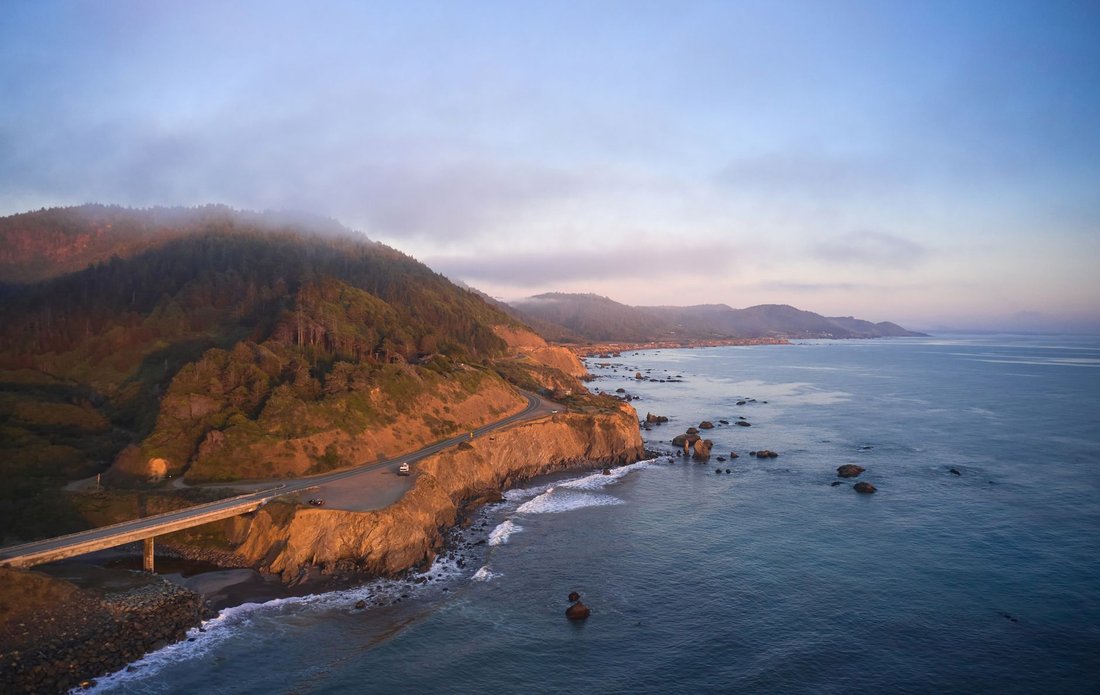
Saturday morning on a street off Bascom, and a guy is loading a cooler and two folding chairs into the back of a Honda while his kids argue about whether the boogie boards go on top or on the side. That's how the best day trips from San Jose usually start, with nothing more official than a cooler and a decision about which direction to point the car. He backs out by 8, and by 9:15 he's parking above Steamer Lane watching surfers paddle out before the fog burns off. This is not a special occasion. This is just what a San Jose Saturday can look like, because nobody in this city is more than about two hours from the ocean, the mountains, wine country, or a national park, and most of it is closer than that. This city doesn't get credit for much beyond being the Bay Area's biggest, but it is dead center of everything worth driving to, and San Joseans have known this for decades.
People in San Francisco act like they invented the coastal day trip. They didn't. They just have better publicists. San Jose is closer to Santa Cruz, closer to most of the Santa Cruz Mountains wineries, and a wash on Monterey. What SJ gives up in ocean-view real estate, it makes up in being able to get to five different landscapes without ever getting on the Bay Bridge. This guide covers the drives worth making, organized the way an actual local plans them: by direction, by how much traffic you're willing to eat, and by what's actually good once you get there.
The Best Day Trips From San Jose, Organized by Direction
Nearly everything below breaks down into a few compass directions out of the city: over the hill on Highway 17 to Santa Cruz and the coast, south down 101 toward Monterey and the edge of Big Sur, up into the Santa Cruz Mountains for wine and redwoods, east toward Livermore and Pinnacles, and north to San Francisco. A few, like Half Moon Bay and Gilroy, sit slightly outside that pattern but are close enough that skipping them would be an oversight. None of these require an overnight bag. All of them are doable between a late breakfast and dinner.
Over the Hill: Santa Cruz and the Coast
Highway 17 is the artery every South Bay kid grows up hearing about before they're old enough to drive it themselves, a curvy two-lane climb through redwoods that dumps you out in Scotts Valley and then Santa Cruz. It's about 35 to 45 minutes from central San Jose in decent traffic, longer on summer weekends when half the Valley has the same idea.
Santa Cruz Beach Boardwalk
The Boardwalk is the reason generations of South Bay families associate the ocean with cotton candy and a wooden roller coaster older than most of their grandparents. It's a genuine amusement park on the sand, not a strip mall pretending to be one, and it still runs the Giant Dipper, a coaster that's been operating since the 1920s. Kids ride rides, adults walk the beach or grab clam chowder in a bread bowl, and everyone ends up on the sand at some point because it's right there. The insider move is to park in one of the neighborhood lots a few blocks up and walk in rather than fighting for the boardwalk's own lot, and to go on a weekday if a weekday is on the table at all. From San Jose it's Highway 17 to Highway 1, and Santa Cruz Metro also runs buses if you'd rather skip driving the hill altogether.
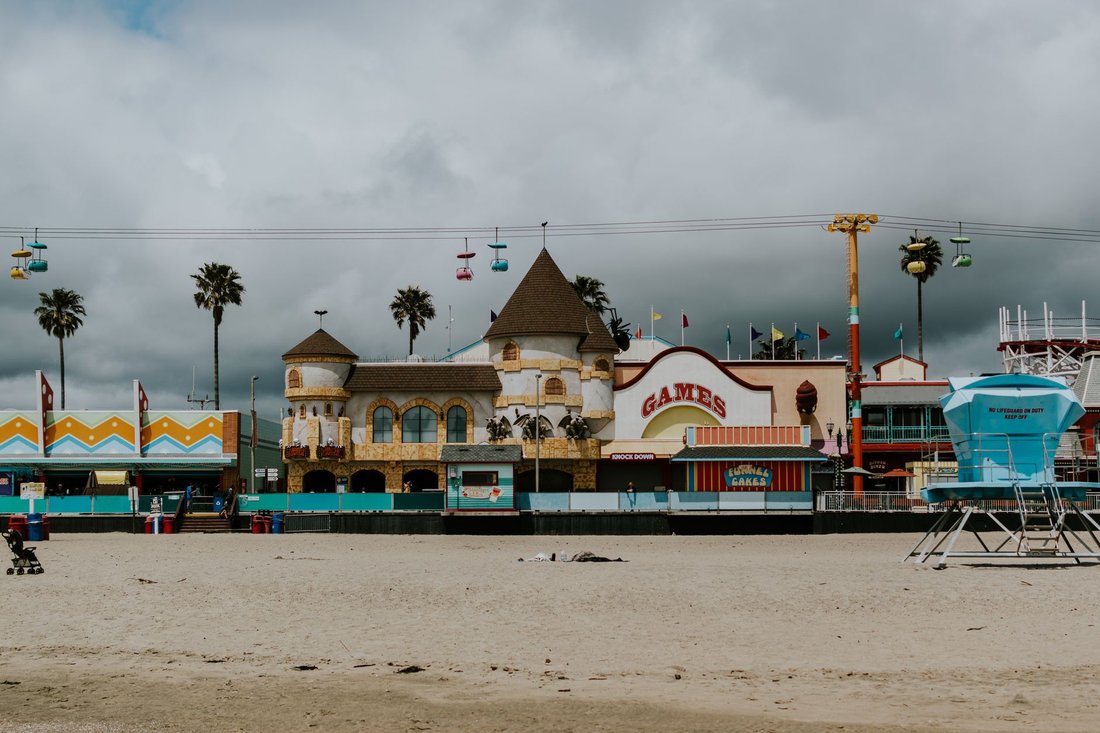
West of the Boardwalk, the cliffs above Steamer Lane and Lighthouse Point are where to watch actual surfers work actual waves, no ticket required, and the walk along West Cliff Drive is one of the closest beaches with a paved path the whole family can use, strollers and all.
Capitola
A few minutes east of the Boardwalk, Capitola is the version of a beach town that got small and stayed that way on purpose. Brightly painted beach cottages line the bluff above a tiny crescent of sand and a working pier, and the village below is a few blocks of restaurants and shops packed into what used to be a lumber and shipping village. The point of Capitola is not to do anything in particular. It's to sit at a table on the sand with a plate of fish tacos and watch the tide come in. Parking is genuinely tight in summer, so the smarter play is arriving before 11 or parking up the hill and walking down. It's about 45 minutes from San Jose via Highway 17 and Highway 1, and it pairs naturally with a Boardwalk morning and a Capitola afternoon in the same day.

Henry Cowell Redwoods State Park
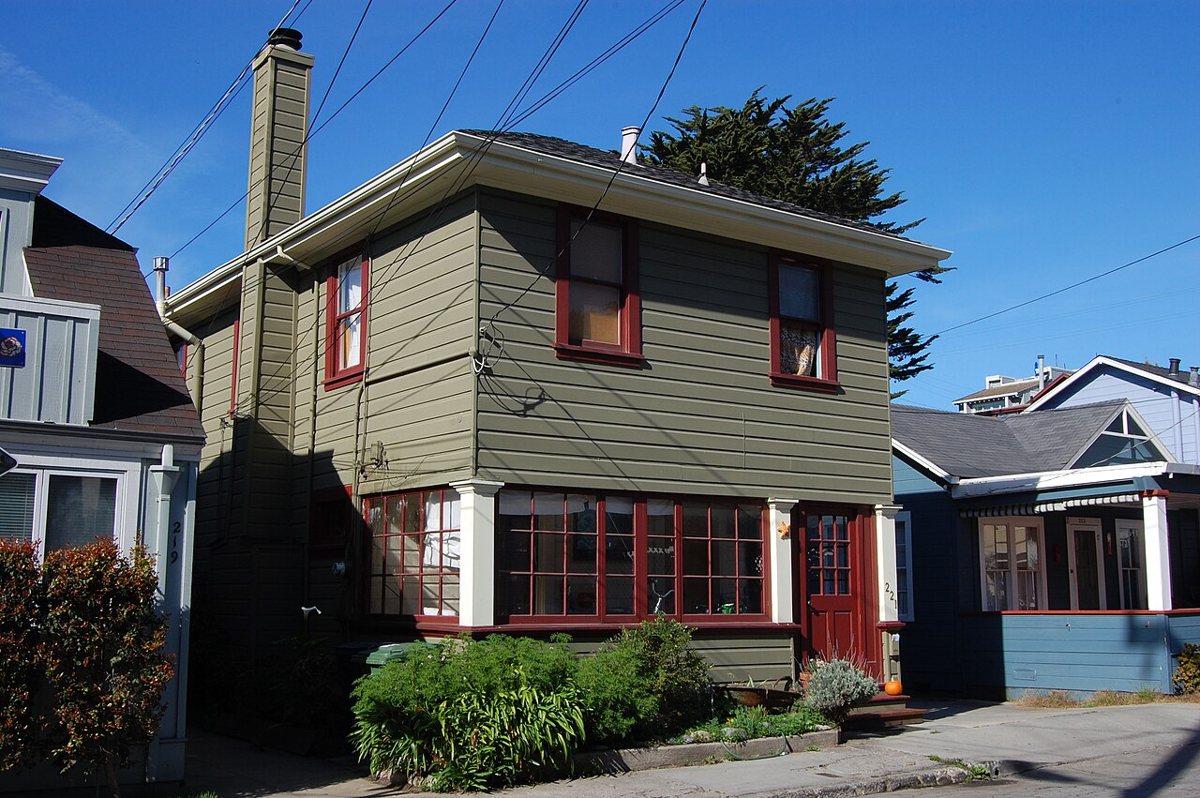
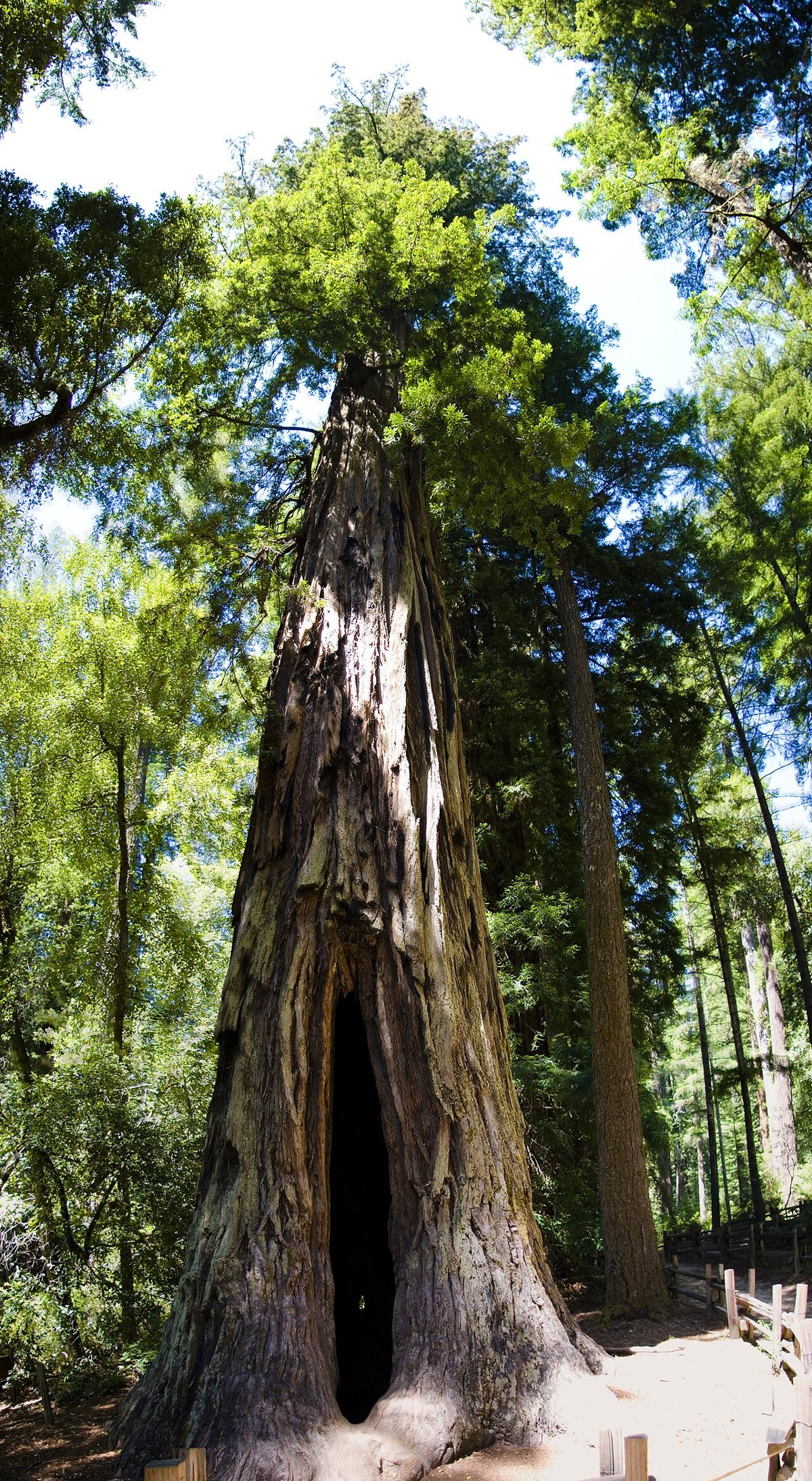
Most people driving Highway 17 have no idea there's old-growth redwood forest a few minutes off the highway near Felton, and that's their loss. Henry Cowell has a loop trail through genuinely massive old-growth trees that takes under an hour, plus longer trails down toward the San Lorenzo River if there's more time to spend. It's a fraction of the crowd you'll find at the more famous redwood parks up north, and it's close enough to fold into a Santa Cruz day without adding real drive time. Reservations are often required for parking at the more popular redwood parks in summer, so check current park status before heading up on a warm Saturday. From San Jose, it's Highway 17 to the Mount Hermon Road exit, roughly 40 minutes.
South to the Monterey Peninsula and Big Sur's Front Door
Monterey and Carmel sit about an hour to 90 minutes south on Highway 101, then a short cut over to Highway 1 near Prunedale or Marina. This corridor rewards an early start more than any other on this list, because 101 South through Gilroy and Prunedale backs up fast on weekend mornings.
Monterey Bay Aquarium
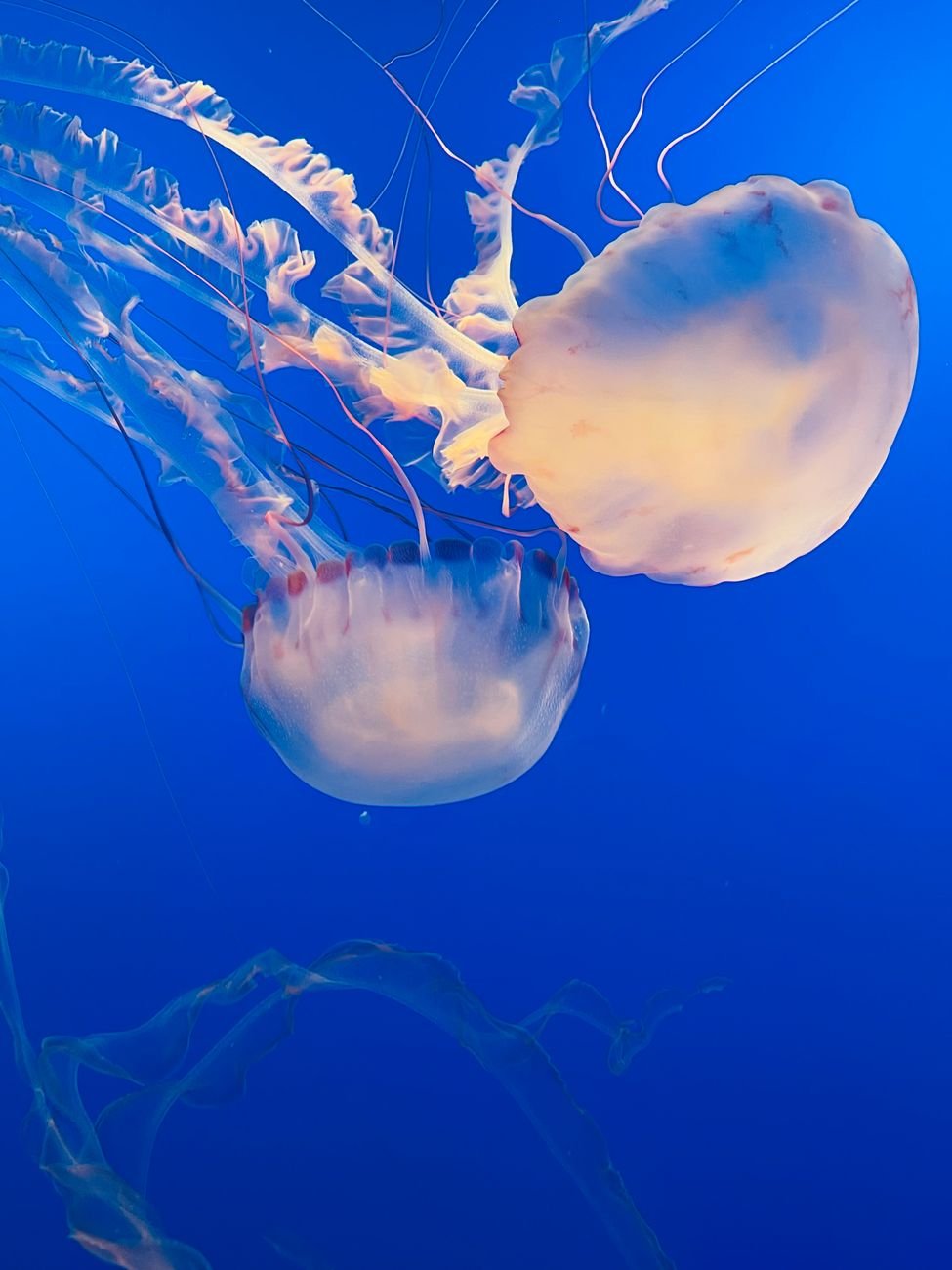
The aquarium is the single most reliable answer to what should we do today for South Bay families, and it earns that reputation honestly. The kelp forest tank alone is worth the trip, three stories of kelp swaying with fish and the occasional shark cruising through, and the open sea tank with its tuna and sea turtles is the kind of thing that quiets down even the loudest kid in the building. Go right at opening if a weekend visit is unavoidable, because the crowds build steadily through the day and the parking situation downtown gets worse with them. Afterward, Cannery Row is a five-minute walk for lunch, though it leans touristy and the aquarium itself is the actual destination. Drive time from San Jose runs close to an hour and 15 minutes depending on where 101 is backed up.
Carmel-by-the-Sea
Carmel is the fairy-tale cottage town that looks almost too polished to be real, and it mostly is, by design, since the town's zoning code has protected that look for decades. Walk Ocean Avenue for galleries and shops, then cut down to Carmel Beach itself, a stretch of white sand backed by cypress trees that's as good for a sunset as anywhere on this list. Street addresses are famously absent in parts of town, so directions there tend to be landmarks rather than numbers, which is either charming or maddening depending on your patience level. It runs about 15 minutes past Monterey on Highway 1, so most people fold both into one day, aquarium in the morning, Carmel in the afternoon.
17-Mile Drive
Between Monterey and Carmel, 17-Mile Drive is a private toll road through Pebble Beach that strings together some of the most photographed coastline in California, including the Lone Cypress clinging to its rock outcrop above the surf. It's a slow, scenic loop best done with the windows down and no particular schedule, with pullouts for the golf courses, the seal and bird colonies at Bird Rock, and the cypress groves that give the whole peninsula its look. It only takes about 45 minutes to drive straight through, but budget two hours if the stops are the point, which they should be. It connects directly between the Monterey and Carmel legs of the day, so there's no real detour involved in adding it.
Point Lobos State Natural Reserve
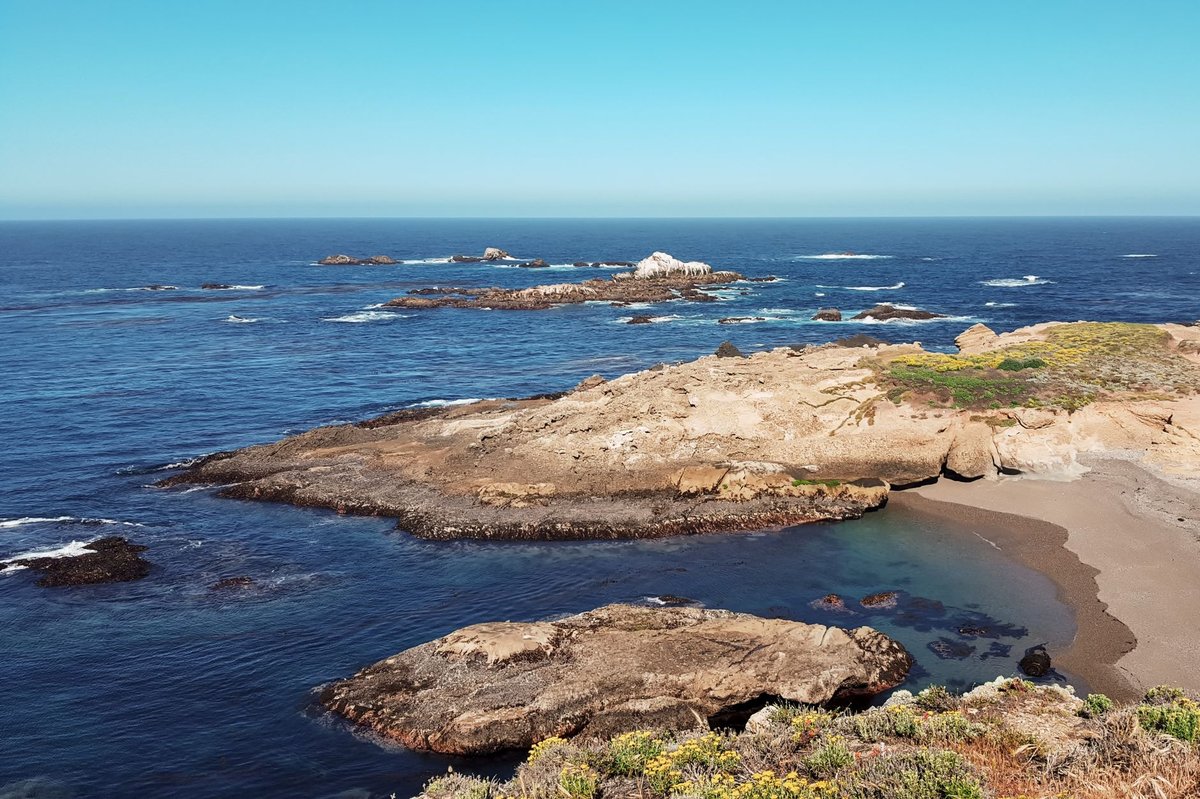
Just south of Carmel, Point Lobos is what a lot of people picture when they picture the California coast without knowing its name: rocky headlands, turquoise coves, sea otters floating in the kelp, and trails that hug the cliff edge the entire way. It's smaller than a lot of state parks, which means the good stuff is reachable on short walks rather than long hikes, and the whole reserve can be seen in two or three hours without rushing. Parking inside the reserve fills early on weekends, so plan on arriving before mid-morning or being ready to park along Highway 1 and walk in. From San Jose it's the same drive as Carmel, just a few more minutes south.
Big Sur's Northern Stretch
Past Point Lobos, Highway 1 narrows and climbs into Big Sur proper, and the northernmost few miles are close enough to work as a day trip extension rather than a trip of their own. Bixby Creek Bridge, the arched concrete span that shows up in every car commercial ever filmed in California, is the anchor point, with pullouts on both sides for photos and a view down into the canyon. Beyond it, the road keeps climbing along cliffs with the ocean directly below, and turning around at any point is a completely reasonable plan if the day is getting long. This stretch adds real drive time to an already long day, so it works best paired with Carmel rather than Monterey and Carmel both. Fog rolls in fast on this section, so a clear morning is worth more here than almost anywhere else on this list.
The Santa Cruz Mountains: Wine and Redwoods in the Backyard
The ridge separating San Jose from the coast isn't just a commute obstacle. It's its own destination, with wineries and redwood groves that most Bay Area visitors never realize exist because they're not on the way to anywhere famous.
Wine Country Above Los Gatos and Saratoga
The hills above Los Gatos and Saratoga hold a cluster of small, family-run wineries that have been making wine in these mountains since before Napa was Napa, working with cooler-climate grapes that do better in fog and elevation than in the Central Valley heat. It's a lower-key wine day than Napa or Sonoma by design: fewer limos, more actual winemakers pouring their own tasting flights, and views back down over the Valley floor that stretch to the Bay on a clear day. Most of these wineries sit within 20 to 30 minutes of downtown San Jose up winding roads like Old Santa Cruz Highway and Highway 9, which makes this the shortest real day trip on the entire list. The tradeoff is that hours and tasting-room availability vary a lot from one small producer to the next, so it's worth checking current details before setting out rather than assuming every spot is open the same days.
Big Basin Redwoods State Park
Big Basin is California's oldest state park, and its old-growth redwood groves are the real thing, trees that were already centuries old when the park was established in 1902. A major wildfire moved through in 2020 and changed parts of the landscape permanently, but the park has been recovering and reopening trails in phases, and the core redwood groves that survived remain worth the trip. Trails range from short loops near the main grove to longer treks toward waterfalls further into the park, and the air temperature alone, ten or fifteen degrees cooler than the Valley floor, is reason enough to go in August. Reservations are often required for parking here in summer given limited lot capacity, so check current status before driving up. It's about 45 minutes to an hour from San Jose via Highway 9 and Highway 236, a winding mountain drive that rewards patience over speed.

East to Pinnacles and Livermore Wine Country
The east side of the Bay Area gets a fraction of the tourism attention the coast does, which is exactly why it's worth the drive. This direction skips Highway 17 traffic entirely and runs instead through 101 or 680.
Pinnacles National Park
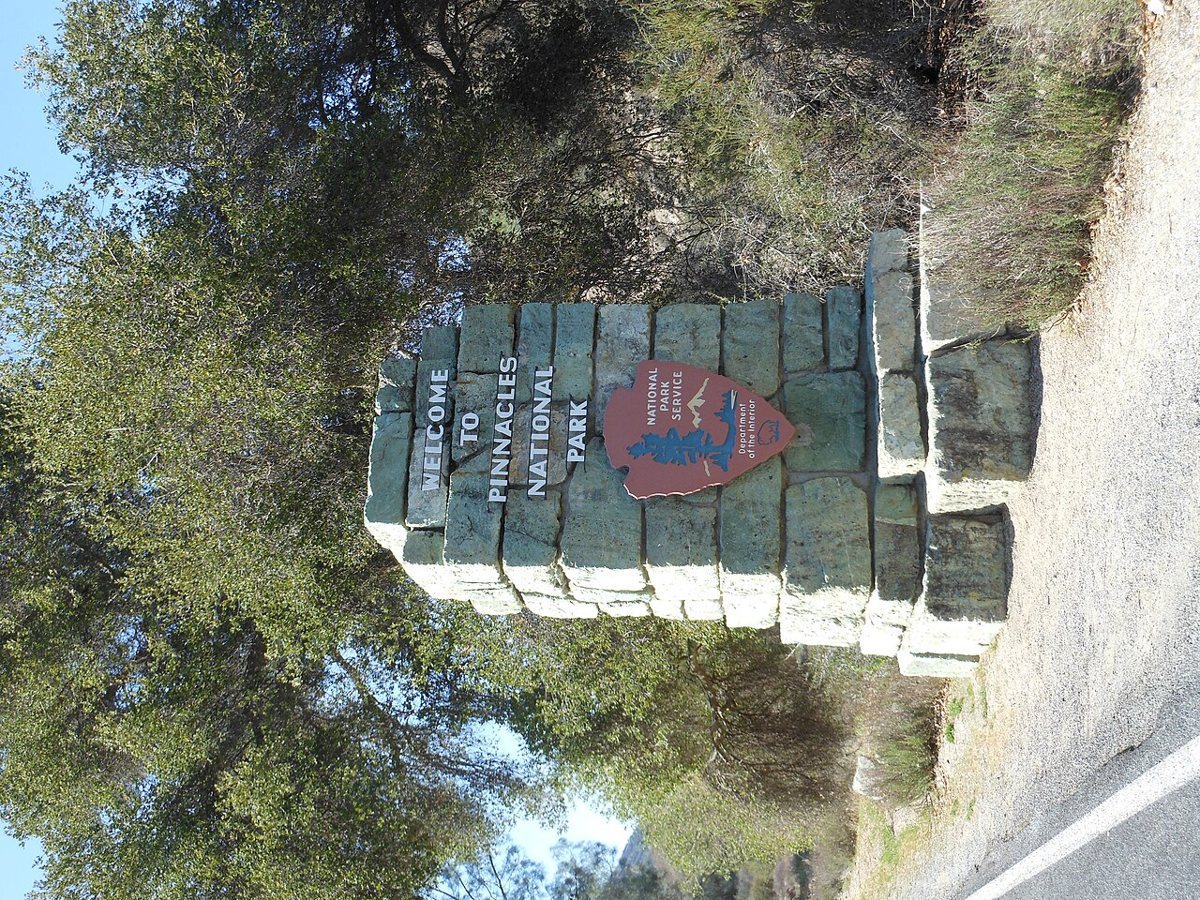
Pinnacles doesn't get the name recognition of Yosemite or the other California national parks, and that's its whole appeal: rock spires and cave systems carved out of an ancient volcanic field, condors circling overhead if you're lucky and patient, and trails that range from an easy stroll to a genuine scramble through talus caves that require a flashlight. It's one of the newest national parks, redesignated from a national monument in 2013, and it still feels like something locals know about and outsiders don't. Bring a headlamp for the cave trails regardless of the season, since the caves are dark and low-ceilinged even at midday, and bring more water than seems necessary, because there's very little shade and the inland heat runs high for much of the year. From San Jose it's a straight run down 101 to Highway 25, close to an hour and a half.

Livermore Valley Wine Country
Livermore Valley is the Bay Area's other wine region, older than most people realize, with vines planted there going back to the 1800s and a string of tasting rooms strung along Tesla Road that draw a fraction of the Napa crowd for wine that's frequently just as good. The valley runs warmer and drier than the Santa Cruz Mountains, which suits bolder reds, and several wineries here have patio seating built for exactly the kind of long, unhurried afternoon a wine day is supposed to be. It's reachable without ever touching Highway 17, running instead across 101 and 680 through Milpitas and Sunol, and it takes roughly 40 minutes to an hour depending on 680 traffic through the Sunol grade, which backs up hard during commute windows on either end of the day.
North to San Francisco
San Jose people don't need this section explained to them the way a Sacramento visitor might, but it belongs on any honest list of the best day trips from San Jose, because San Francisco is genuinely one, not a different planet the way some San Jose residents like to joke.
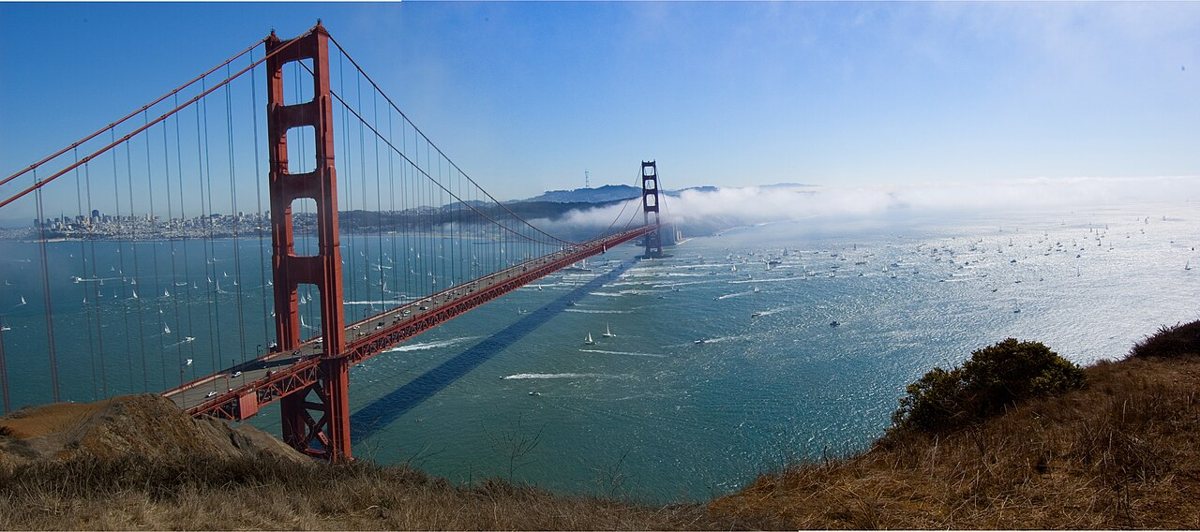
The Golden Gate Bridge and Beyond
The bridge itself is worth the drive on a clear day for reasons that have nothing to do with novelty, since the views from both the vista point on the Marin side and the overlooks near the toll plaza change completely depending on the fog and the light. Walking or biking across is a longer commitment than most day-trippers plan for, so a lot of South Bay visitors treat it as a stop rather than the whole day, pairing it with the Presidio, Crissy Field, or a walk through the Marina. Caltrain gets you into downtown San Francisco directly from the Diridon Station in under two hours, which beats fighting 101 traffic and parking downtown, and it's worth it purely to skip the bridge and toll-plaza gridlock on a Saturday. From San Jose by car, plan on an hour minimum and closer to 90 minutes with any traffic at all, which on 101 North is close to guaranteed on weekend afternoons.

Closer to Home: Half Moon Bay and Gilroy
Two more destinations round this list out, both closer than they feel and both easy to underrate.
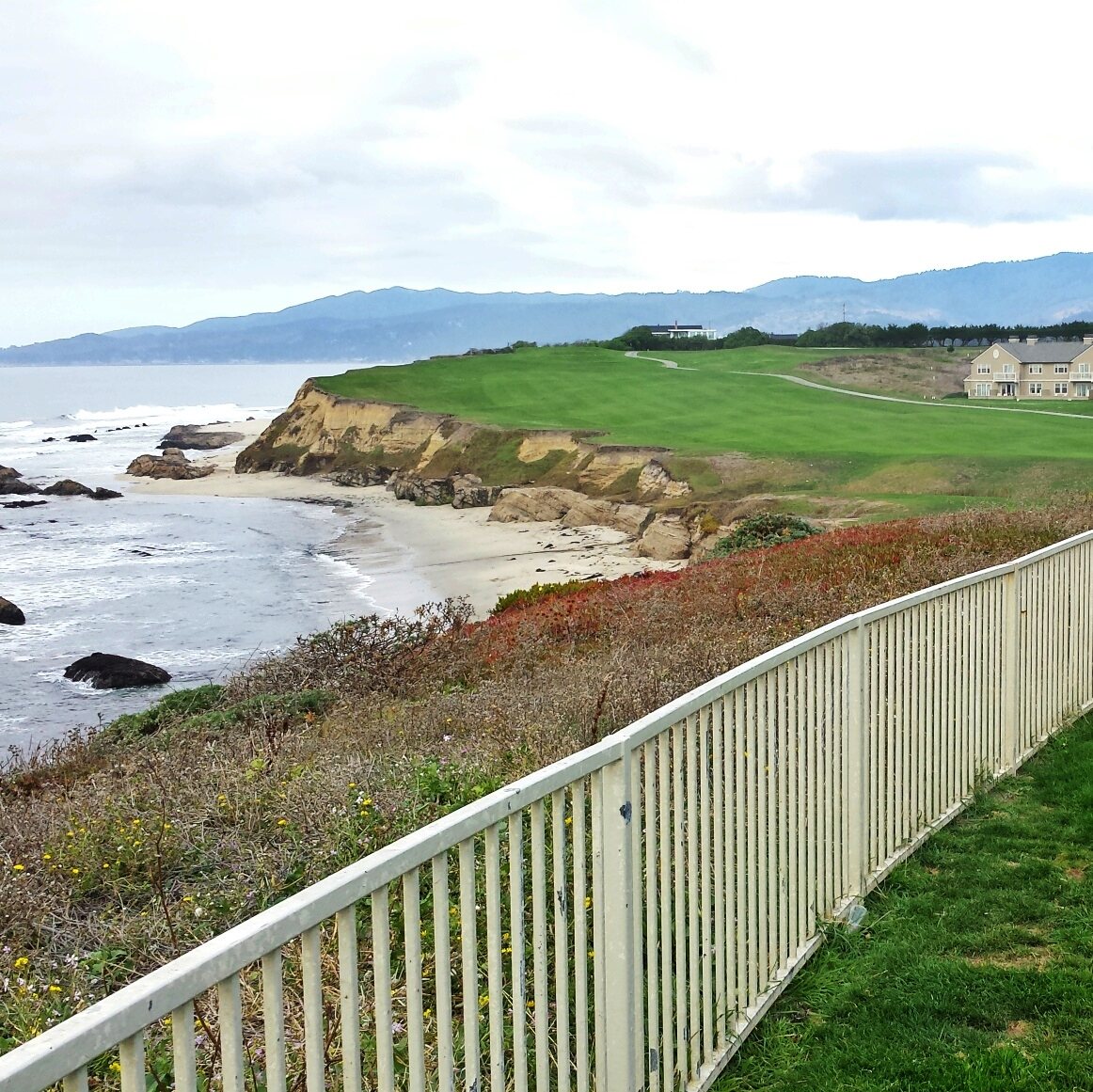
Half Moon Bay
Half Moon Bay sits on the coast almost directly west of San Jose, a working harbor town known for its pumpkin patches in fall, its farm stands the rest of the year, and Mavericks, the famously enormous surf break just north of the harbor that draws professional big-wave surfers in winter. The harbor itself is worth a slow walk, with fishing boats coming in and out and a handful of seafood shacks right on the water. It's a quieter, less commercial coast town than Santa Cruz or Capitola, which is either exactly what a day trip needs or a little too sleepy depending on what you're after. The drive from San Jose runs through Highway 92 over the coastal range from 280 or through Highway 1 up the coast from Santa Cruz, and either route takes close to an hour.

Gilroy
Gilroy is close enough to San Jose that calling it a day trip feels almost generous, but it's distinct enough in character, garlic capital branding and all, to earn its spot. Gilroy Gardens is a family theme park built around actual horticulture, with rides tucked in among gardens and a mushroom-shaped structure that's become the park's unofficial mascot, and it's a gentler, smaller-scale alternative to bigger regional theme parks for families with younger kids. The outlet shopping on the edge of town draws its own crowd, and the surrounding farmland makes for good produce stands in summer and fall. It's a straight shot down 101, about 30 to 40 minutes from San Jose depending on where you start.
Getting There Without Losing the Day
Traffic timing matters more than almost anything else on this list. Highway 17 over the hill to Santa Cruz turns into a parking lot on summer weekend mornings between roughly 9 and 11, and again on the return trip between 4 and 7, so leaving before 8 or after the morning rush clears is worth the extra coffee. Highway 101 South toward Gilroy and Monterey backs up for the same reasons on the same schedule, and 101 North toward San Francisco does the mirror image on weekday evenings and weekend late afternoons. A few practical notes worth keeping in mind:
- State parks including Big Basin and some Santa Cruz Mountains preserves often require timed parking reservations in summer, so check current status before driving up rather than assuming a spot will be open.
- Beach parking in Santa Cruz, Capitola, and Carmel fills fastest between late morning and early afternoon, and arriving before 10 solves most of it.
- Coastal fog is a real variable from late spring through summer, so an afternoon start toward the coast can mean gray skies that a morning start would have missed entirely.
- Caltrain from Diridon Station is a legitimate alternative to driving into San Francisco, and Santa Cruz Metro buses connect from the Highway 17 corridor for anyone who'd rather not drive the grade themselves.
- Free or low-cost options on this list include the drive along West Cliff Drive in Santa Cruz, walking Carmel Beach, most of 17-Mile Drive's pullouts if entering by bike, and window-shopping through Carmel or Capitola without spending a dime beyond parking.
None of this requires special planning software or a travel agent. It requires a full tank of gas, a rough sense of which highway backs up when, and the willingness to leave earlier than feels necessary. What San Jose has that a lot of cities its size don't is this specific geography: mountains in one direction, ocean in another, wine country practically in the driveway, and a national park close enough to do before dinner. That's not a footnote to being the Bay Area's biggest city. It's one of the better arguments for it, and it's reason enough to keep exploring the trails within an hour of the city long after this list runs out. Load the cooler. Pick a direction. Get on the road before the rest of the Valley wakes up and does the same thing.