Best Parks in San Jose for 2026
From a canyon carved around old mineral springs to a working farm inside city limits, here is where San Jose actually spends its Saturdays.
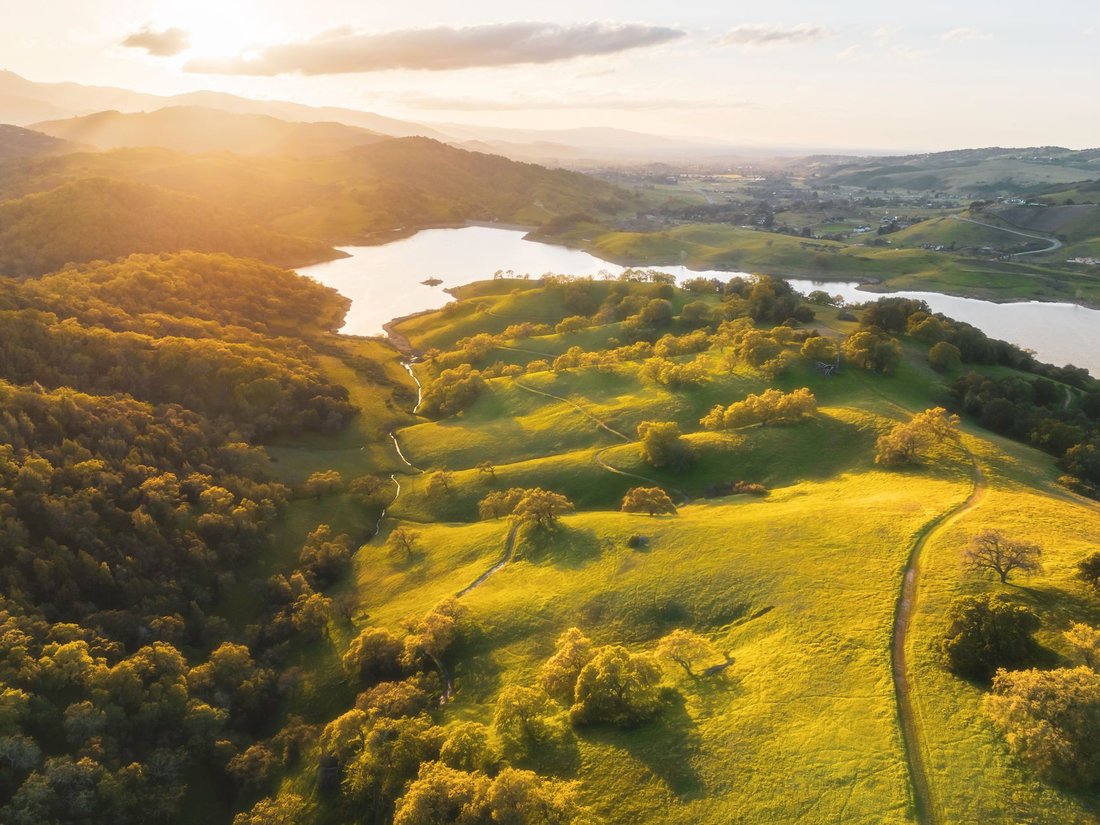
By nine on a Saturday morning, the lot off Penitencia Creek Road at Alum Rock Park is full, and the overflow turns into a slow crawl of minivans hunting for a spot. Anyone searching for the best parks in San Jose should start with that scene, because it says everything about how this city treats its green space: heavily used, barely advertised. Alum Rock is the oldest municipal park in California, and on a weekend morning it feels like half of East San Jose is on the creek trail. People who've never lived here assume the valley is all office parks and freeway. The truth is that San Jose sits between two ranges of foothills, with creeks cutting through nearly every neighborhood, and its parks run from canyon wilderness fifteen minutes off the freeway to a pocket rose garden that smells like another decade. None of it gets the attention Golden Gate Park gets up north, and that's fine. SJ residents would rather have the parking spot.
This guide covers the ground: the foothill wilderness parks, the family-and-picnic parks in the flats, the river corridor cutting through downtown, and the farther-out spots worth the drive. It's organized by what you're actually trying to do on a given day, because that's how people here think about it. Not by which park is trendiest, but by which one fits the day you've got.
The Foothill Parks: Where San Jose Goes to Get Some Elevation
The valley floor is flat, but San Jose is boxed in by hills on the east and southwest, and that's where the real hiking lives. These are the parks locals mean when they say they're "going up the hill" for the afternoon.
Alum Rock Park
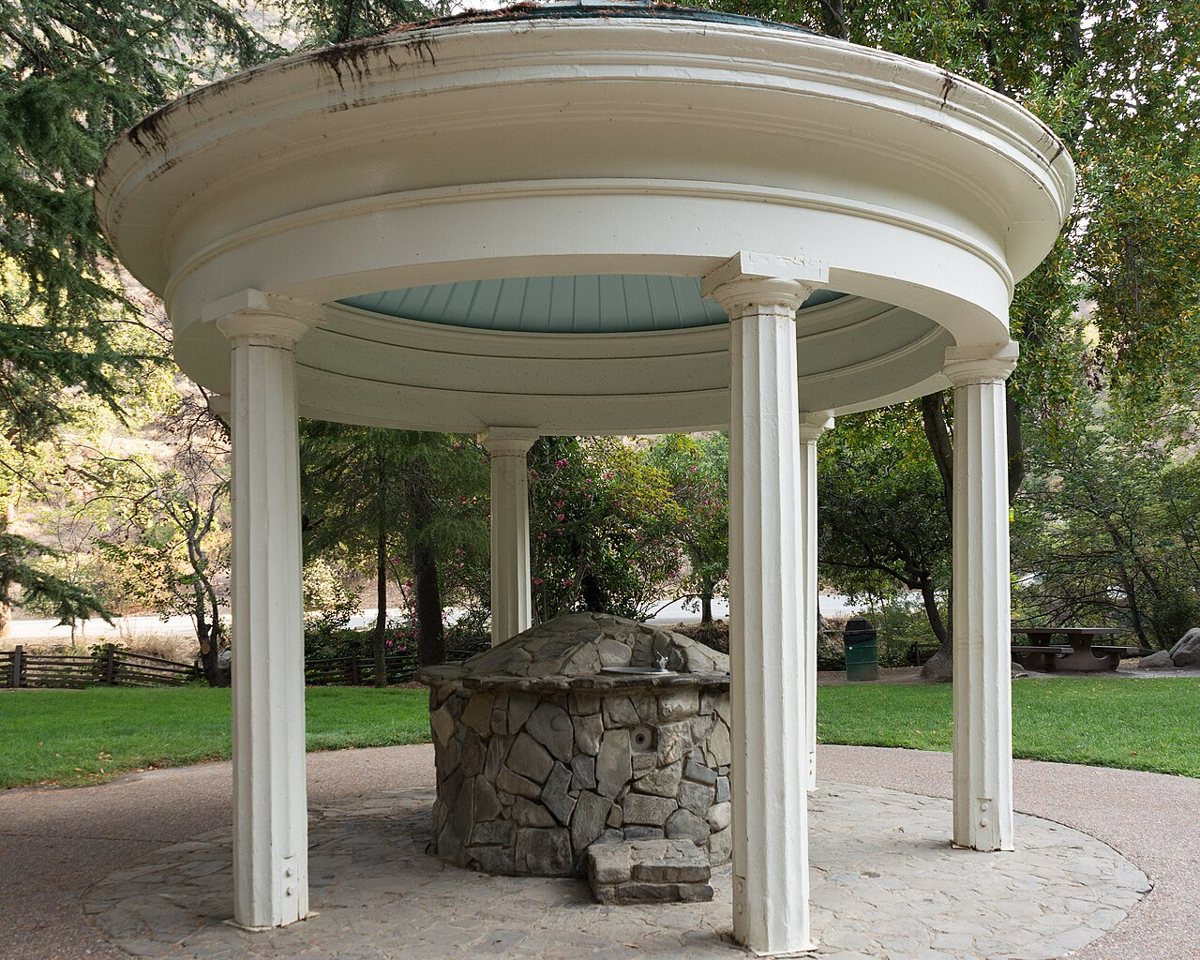
Alum Rock is a canyon park carved by Penitencia Creek, and it's been a public park since before San Jose was much of a city at all: mineral springs drew visitors here in stagecoaches. The old bathhouse structures and stone bridges are still scattered through the canyon, half-reclaimed by oak and bay trees, which gives the whole place a layered, historical feel that most California parks don't have. Park near the visitor center and take the North Rim Trail up for valley views, or stay low on the Creek Trail if you've got kids or a dog that doesn't do inclines. The mineral springs themselves aren't the draw they once were, but the pipes and grottoes are still there if you know where to look. Regulars know that weekday mornings are close to empty even in summer, and the shade from the canyon walls keeps it cooler here than almost anywhere else in the city on a hot day. You'll find it on the Eastside, off Alum Rock Avenue.

Sierra Vista Open Space Preserve
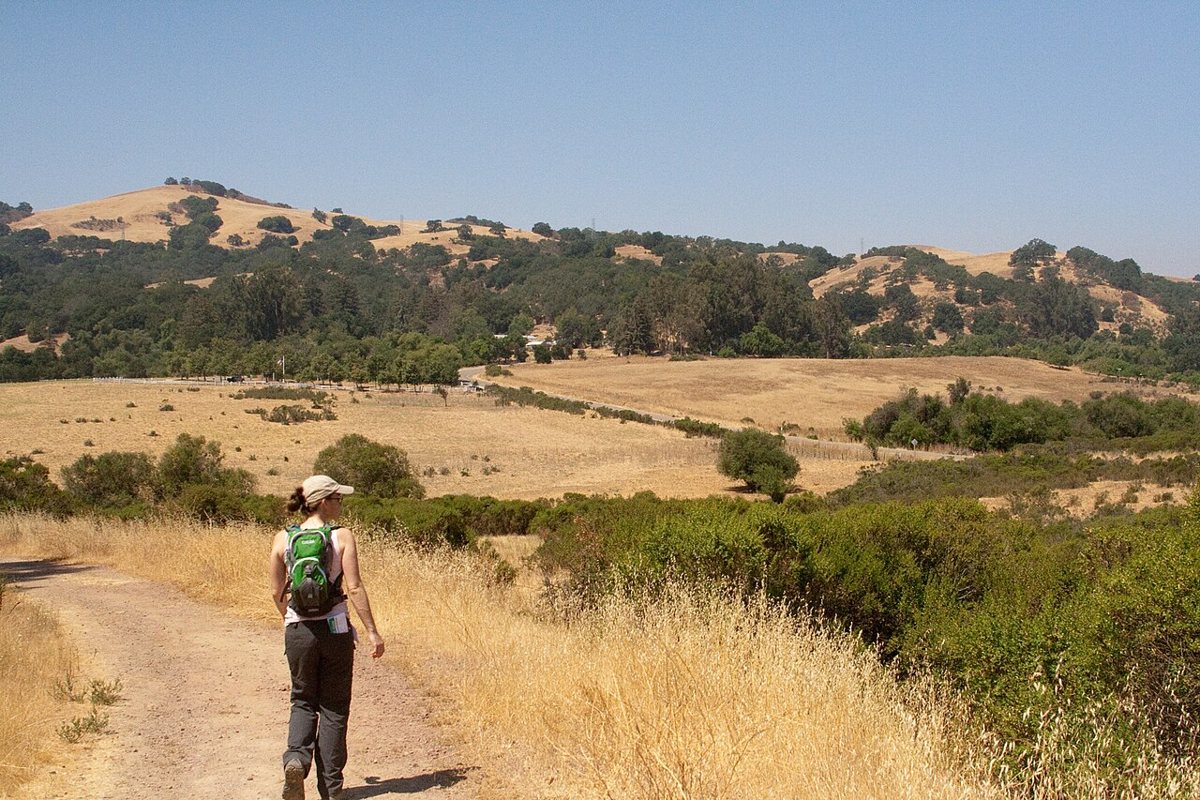
This one sits above Alum Rock, higher up in the hills, and it's less about creekside shade and more about ridgeline views straight down into the valley. The trails are rougher, dirt singletrack mostly, and they draw trail runners and mountain bikers more than picnicking families. On a clear winter day you can see clean across to the Santa Cruz Mountains, the kind of view that reminds you how big this valley actually is. The classic move is the loop up to the overlook bench, steep enough to feel earned. It's also a far quieter alternative to Alum Rock on weekends when that lot is slammed: same general area, a fraction of the crowd, up in the Eastside foothills.
Joseph D. Grant County Park
Out past Alum Rock on Mount Hamilton Road, Joseph D. Grant County Park is where San Jose stops feeling like a city at all. It's rolling oak woodland and grassland that used to be a working cattle ranch, and cattle still graze parts of it today. The scale is the point. Thousands of acres, dozens of miles of trail, and a small lake near the entrance where people fish and let dogs wade in. Halls Valley Trail is the main artery, forgiving enough for a family day, while the more ambitious can push toward Antler Point for a proper workout. Bring water; there's not much shade once you're past the entrance area. This is the spot for a longer trail day when Alum Rock feels too small, and it's one of the few places this close to the city where you'll actually see deer and the occasional bobcat crossing the road.

Almaden Quicksilver County Park
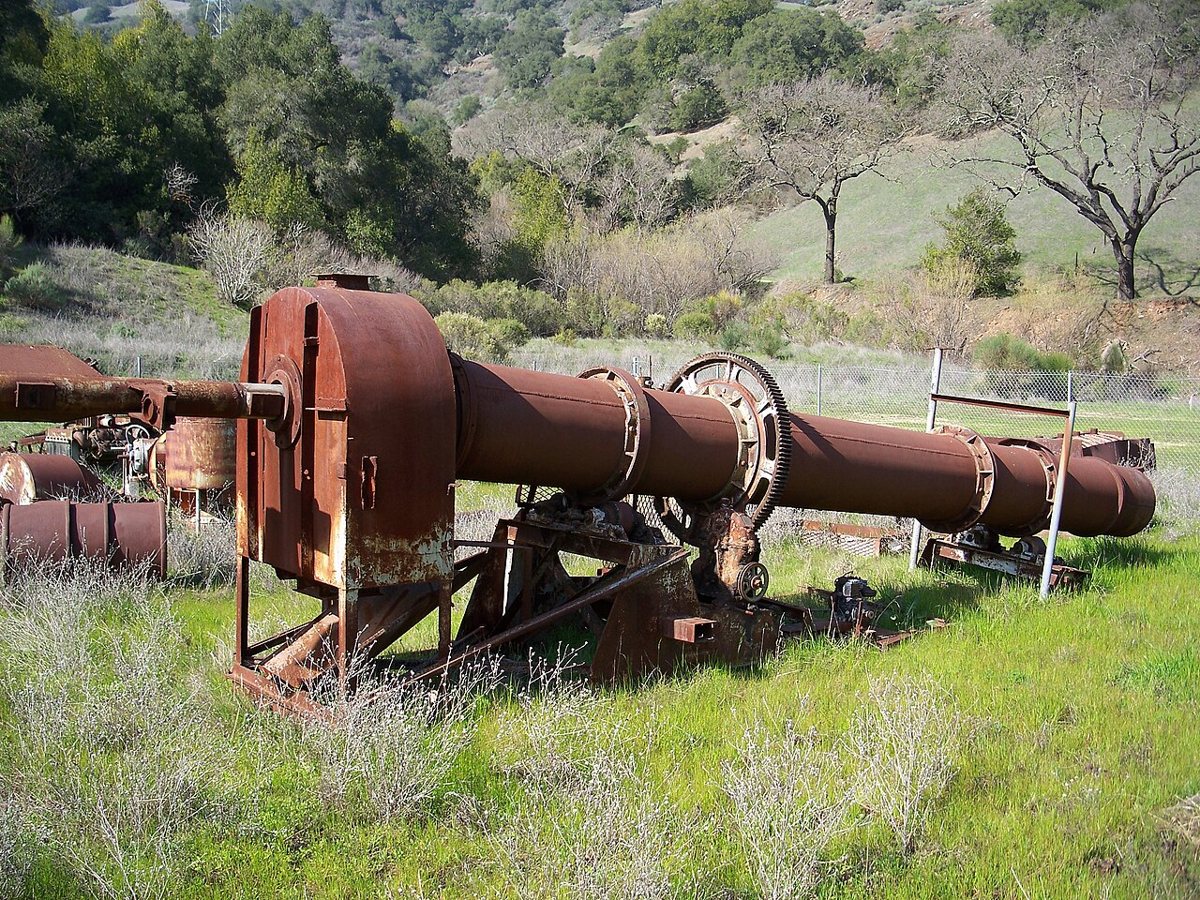
On the opposite side of the valley, Quicksilver is built on the bones of the New Almaden mercury mining district, and the industrial ruins are still visible if you know the trails: old mine shafts, furnace remains, the occasional rusted equipment half-buried in brush. It's a strange, specific kind of history that most visitors to the Bay Area never hear about, and it's entirely a San Jose story. The Mine Hill Trail is the spine of the park and connects most of the historic sites, with enough mileage to make a real day of it or a shorter out-and-back if you're pressed for time. Spring is the moment here, when the grassland hills go green and the wildflowers come up around the old mining scars, a strange and beautiful contrast. Look for it in far south San Jose, near Almaden Valley.

Santa Teresa County Park
Santa Teresa gets overlooked because it's tucked behind the Santa Teresa neighborhood in South San Jose, but the ridgeline trails here rival anything in Quicksilver for views, and there's a golf course and a historic adobe on the property that most hikers walk right past without noticing. The terrain is oak savanna and grassland, rolling rather than dramatic, which makes it a good option for people who want elevation gain without a brutal climb. The loop up to Coyote Peak rewards you with a 360-degree view of the whole South Bay on a clear day. This is a genuinely local park; you won't see it recommended in visitor guides, but South San Jose residents treat it as their backyard trail system.
The City Parks: Where San Jose Actually Lives Its Weekends
These are the flatland parks built for picnics, birthday parties, and just getting outside without driving to the hills. They're where you see the city's actual demographics on a Sunday afternoon.
Kelley Park
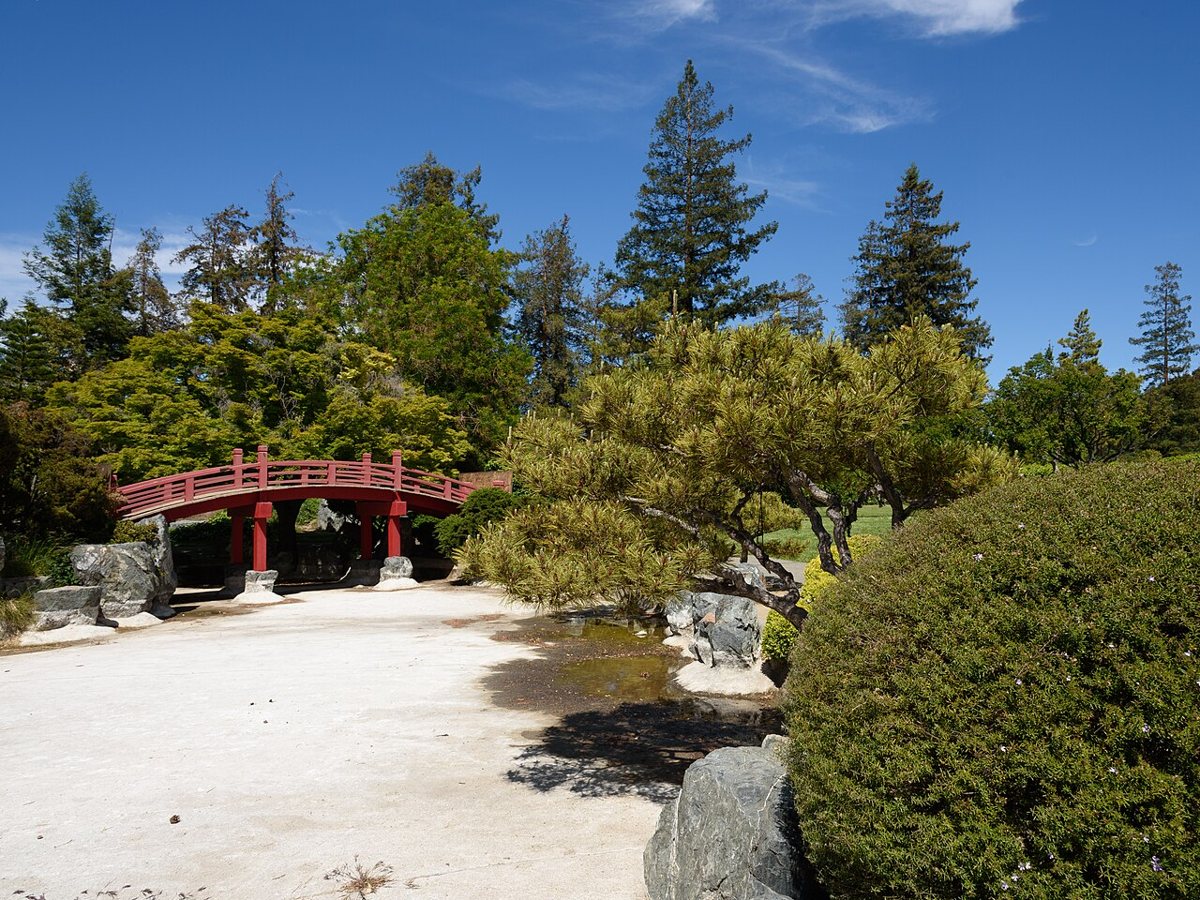
Kelley Park is the closest thing San Jose has to a central park, and it does more work than any single green space should have to. Inside its boundaries you've got Happy Hollow Park and Zoo, a small zoo and amusement park built for the under-ten set that generations of San Jose kids have grown up on; History Park, a collection of relocated and reconstructed historic buildings that recreate turn-of-the-century San Jose; and the Japanese Friendship Garden, a quiet, formal garden with koi ponds that feels a world away from the picnic tables a few hundred feet over. Budget half a day minimum if you want to see more than one of the three. Families with young kids gravitate to Happy Hollow; history nerds linger in History Park's old buildings; anyone wanting quiet goes straight to the Japanese Friendship Garden and just sits by the water. The picnic areas between the attractions fill up fast for birthday parties on weekends, so if that's your plan, arrive early to claim a table. It sits in central San Jose, near the Eastside border.

Emma Prusch Farm Park
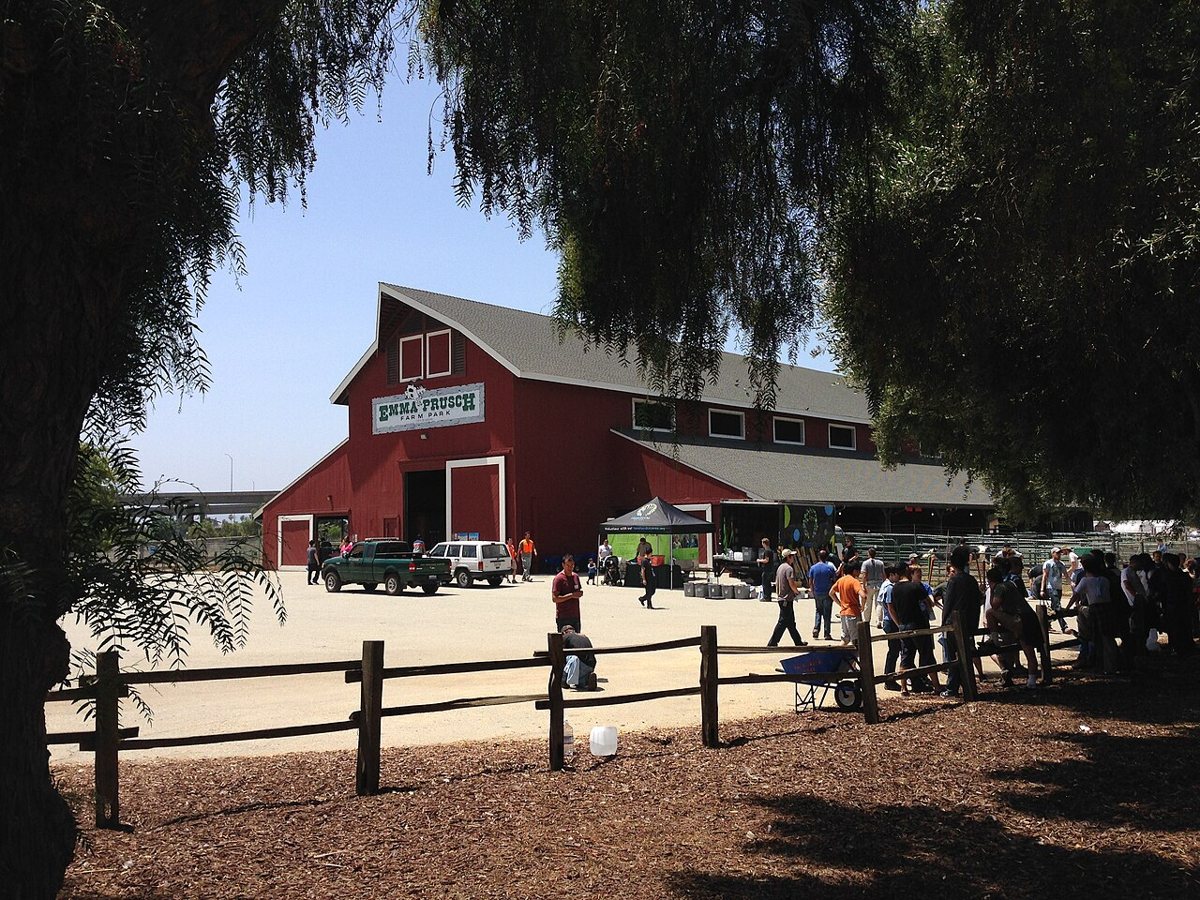
Prusch Park is a working farm inside city limits, donated by the Prusch family decades ago on the condition it stay agricultural, and it still has a barn, farm animals, and community garden plots worked by residents from the surrounding neighborhoods. It's one of the more unusual parks in California in that sense: not landscaped, not manicured, genuinely agricultural. Walk the orchard, check out the barn and the animals if you've got kids, or just use the open lawn for a picnic away from the crowds at Kelley Park a mile away. A lot of Eastside families come here for reunions and quinceañera photos because the barn and orchard backdrop is free and nobody bothers you about it.

Municipal Rose Garden
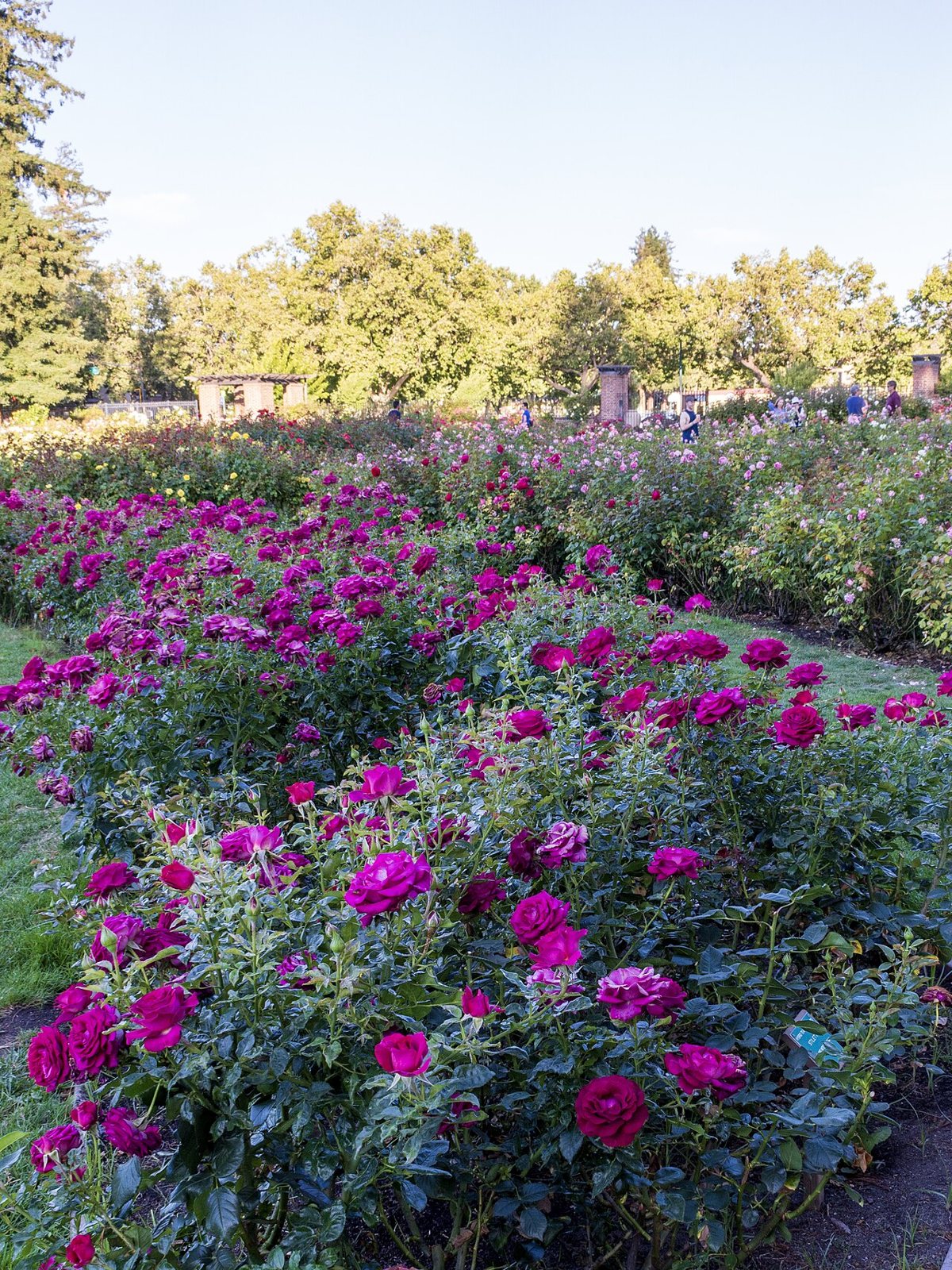
The Rose Garden neighborhood takes its name from this park, and the roses are the real thing: thousands of bushes across dozens of varieties, laid out in formal beds. It peaks hard in spring, typically late April into May, when the whole thing is in bloom and smells like it. Even out of peak bloom it's a pleasant, shaded, quiet park to walk through, with mature trees that most SJ parks this central don't have. Come at bloom time if you can manage it; otherwise use it as a calm walking loop. It's popular for wedding and engagement photos, so don't be surprised to see a couple in formalwear posing between the beds. Early morning light here is worth setting an alarm for, both for photography and for having the paths to yourself. Afterward, the neighborhood around it makes an easy pairing with a proper weekend brunch. The park anchors the Rose Garden neighborhood, west of downtown.

The River Corridor: Downtown's Green Spine
Guadalupe River Park
Guadalupe River Park is the trail and green corridor that threads through downtown along the river, connecting the Children's Discovery Museum, the SAP Center area, and the Arena Green. It's less a single destination than a connective backbone. Joggers and cyclists use it to get from the Rose Garden area into downtown without touching a street, and on weekends the paths fill with strollers and dog walkers. Walk or bike the paved trail between Arena Green and Discovery Meadow, an easy add-on if you're downtown for a SAP Center event anyway. Office workers use the river trail at lunch more than any visitor would guess; it's the easiest green break a downtown workday offers.

Communications Hill and the Coyote Creek Trail
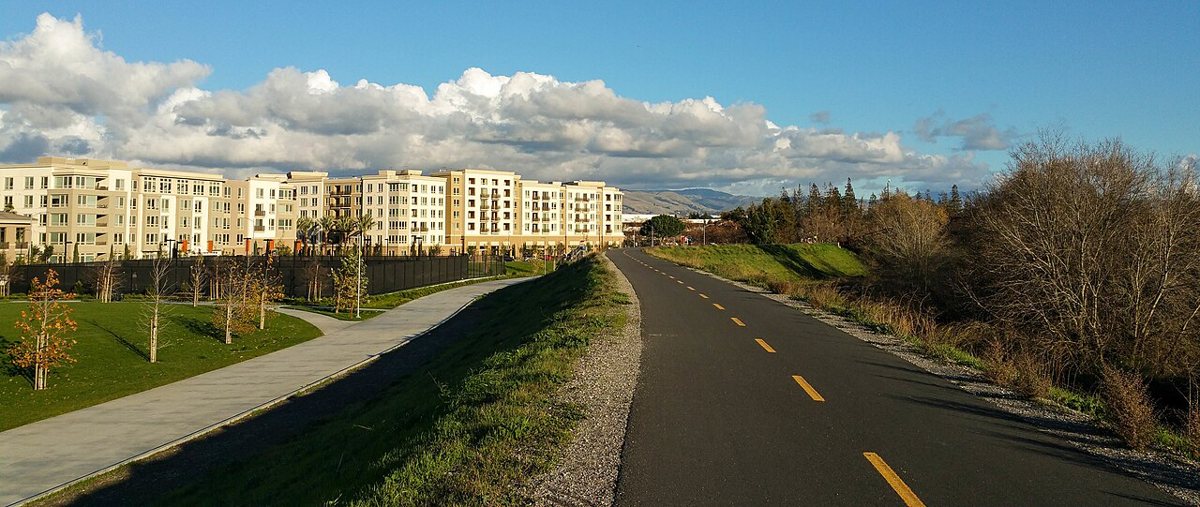
Communications Hill is a straightforward, steep climb south of downtown, famous locally for its long public staircase, with a payoff most first-timers underestimate: an unobstructed view across the entire valley floor, foothills on both sides, downtown skyline included. It's a quick workout rather than a long hike, which makes it a go-to for people squeezing in exercise before work. For flatter mileage, the Coyote Creek Trail runs for miles through South and central San Jose along the creek, a paved path popular with commuting cyclists and casual walkers alike. Sunset from the top of Communications Hill, facing west over the valley, is one of the better free views in the city, and almost nobody outside the immediate neighborhood goes up for it.
Penitencia Creek County Park
Penitencia Creek runs down from Alum Rock through a chain of smaller park segments and a paved trail that neighborhood residents use constantly and visitors almost never find. It's a modest, unglamorous stretch of creekside green space, but it does exactly what a neighborhood park should, with shade, a paved path for strollers and bikes, and a direct connection up toward the Alum Rock foothills for anyone who wants to keep going. Treat it as a low-key extension of an Alum Rock visit, or just a place for an easy evening walk in East San Jose. Early mornings bring out the birdlife along the creek, herons and hawks included.
Worth the Short Drive
Two more spots technically sit outside San Jose city limits but are close enough, and popular enough with SJ residents, that they belong in any honest accounting of where this city actually goes for green space.
Vasona Lake County Park
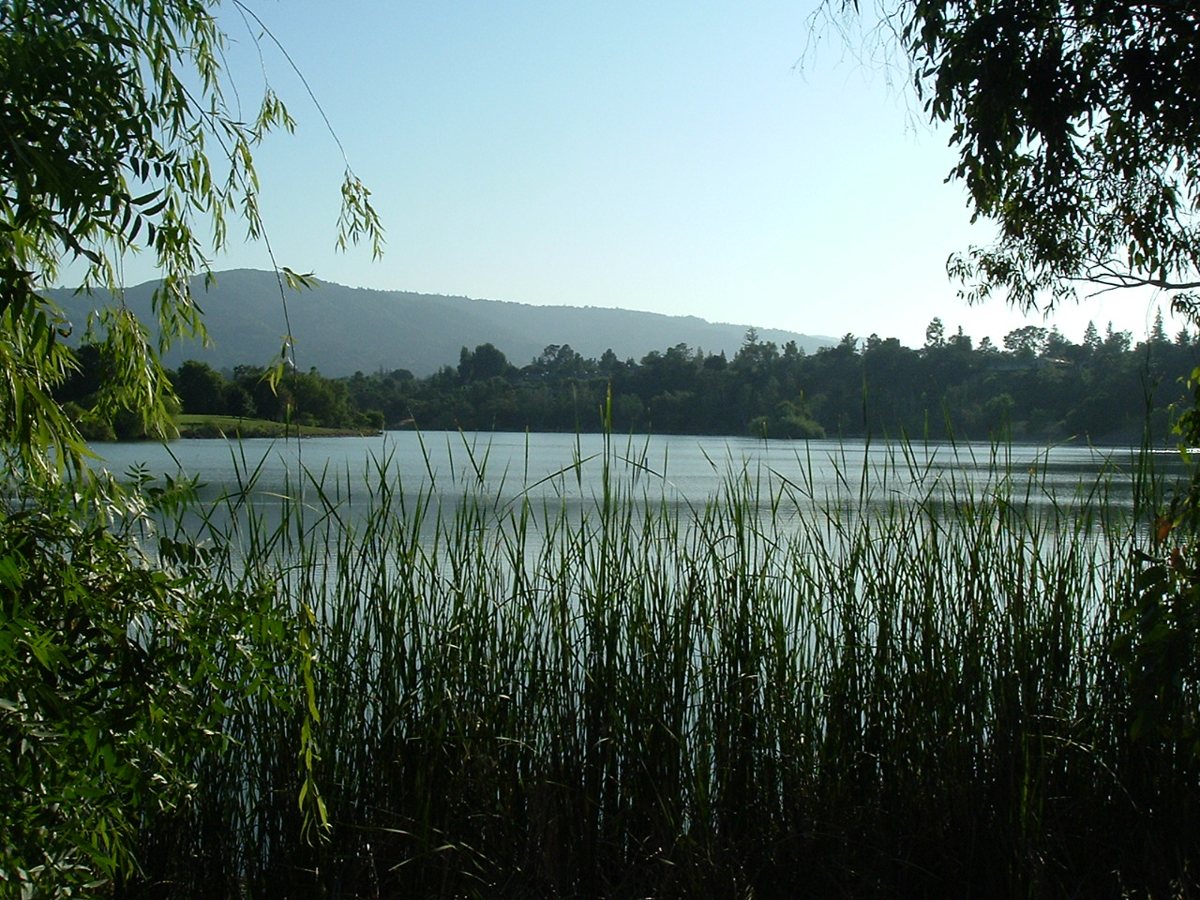
Vasona sits in Los Gatos, a short drive southwest, and it centers on a reservoir lake with a paved loop trail, paddleboat and kayak rentals in season, and enough shaded picnic lawn to handle a big family gathering. It's a favorite for anyone who wants water without driving all the way to the coast. Rent a boat if it's warm enough, or do the flat lakeside loop, which is stroller and wheelchair friendly the whole way around. A connecting path leads to Oak Meadow Park next door, home to a small train and carousel that's been a birthday-party staple for South Bay families for decades.

Ed Levin County Park
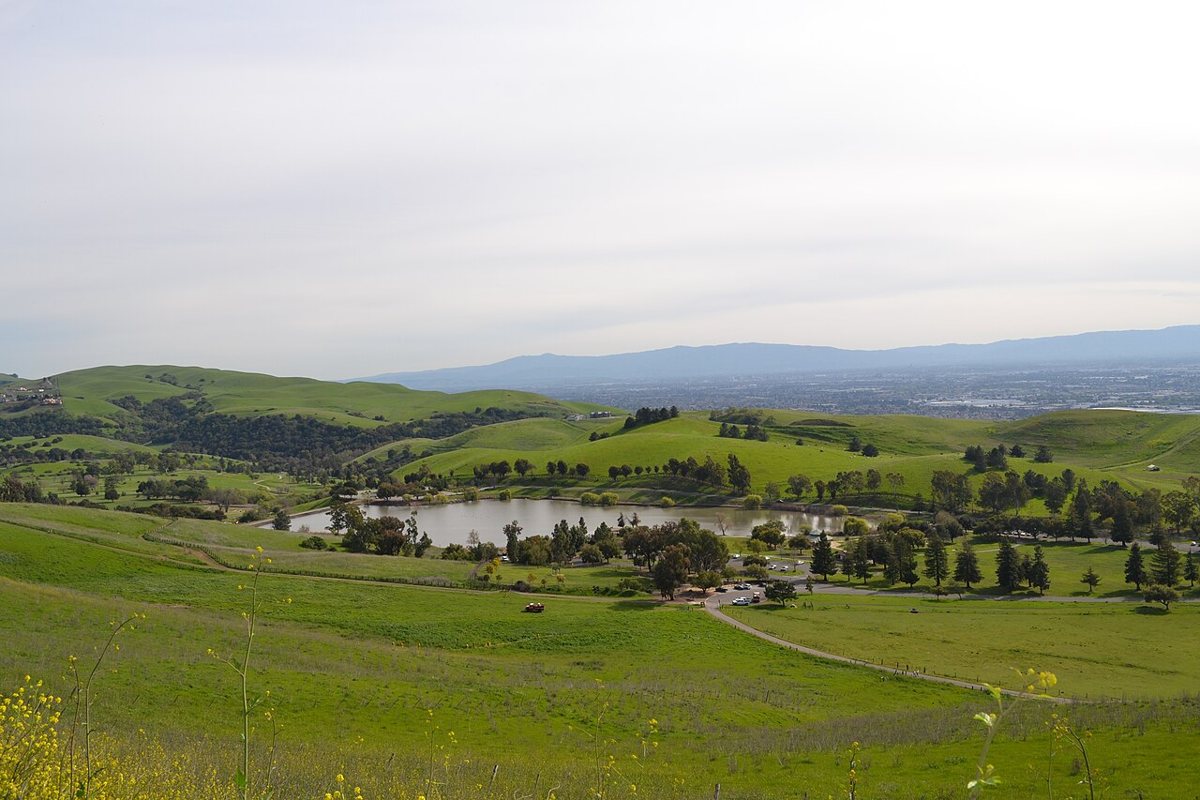
Ed Levin sits up in Milpitas, northeast of San Jose, and it's best known locally as the place where hang gliders and paragliders launch on breezy afternoons; you can stand at the base and watch them lift off and ride the thermals over the valley. Beyond the gliding, it's solid oak-and-grassland hiking territory with a small lake near the entrance. Hike toward Monument Peak for the launch-point views, or keep it easy with a walk around Sandy Wool Lake near the parking area. Weekday afternoons with a steady breeze offer the best odds of catching gliders in the air, if that's the draw for you.

Getting Around, Timing It Right, and What's Free
Most of what's on this list is free to enter. The county and city parks generally don't charge admission, though some, like Alum Rock and the county parks further out, may charge for parking depending on the lot and season, so check current signage when you arrive. A car is genuinely the easiest way to reach most of these; San Jose's transit doesn't reach deep into the foothill parks, though Kelley Park, Guadalupe River Park, and the Rose Garden are all reachable by bus and a reasonable walk from light rail if you're without a car. Weekday mornings beat weekend afternoons everywhere on this list, especially at Alum Rock and Kelley Park, where lot space is the real constraint rather than trail capacity. Spring is the best all-around season here. The hills stay green before they turn gold and dry out by early summer, and the Rose Garden and Japanese Friendship Garden are both at their best. Summer works fine for the foothill parks if you start early and beat the heat; by afternoon in July, shade at Alum Rock and Quicksilver becomes the whole strategy.
The Best Parks in San Jose Aren't a Secret, They're Just Not Marketed
What separates San Jose's park system from the ones that get magazine spreads isn't quality, it's promotion. Nobody's putting Joseph D. Grant County Park on a tourism billboard, and Alum Rock doesn't have a publicist. That's arguably why these places still feel like they belong to the people who use them, from the families staking out the Prusch orchard for a reunion to the South San Jose regulars who never bother explaining Santa Teresa to anyone outside the neighborhood. This city was built around its creeks and its foothills whether anyone up north noticed or not, and the park system reflects that. Pick one you haven't been to yet and go before the summer crowds figure out the same thing.