Best Museums in San Jose: A Local's Guide
A local rundown of the art, science, and history museums that actually reward a full afternoon, from downtown to the Rose Garden to the Eastside.

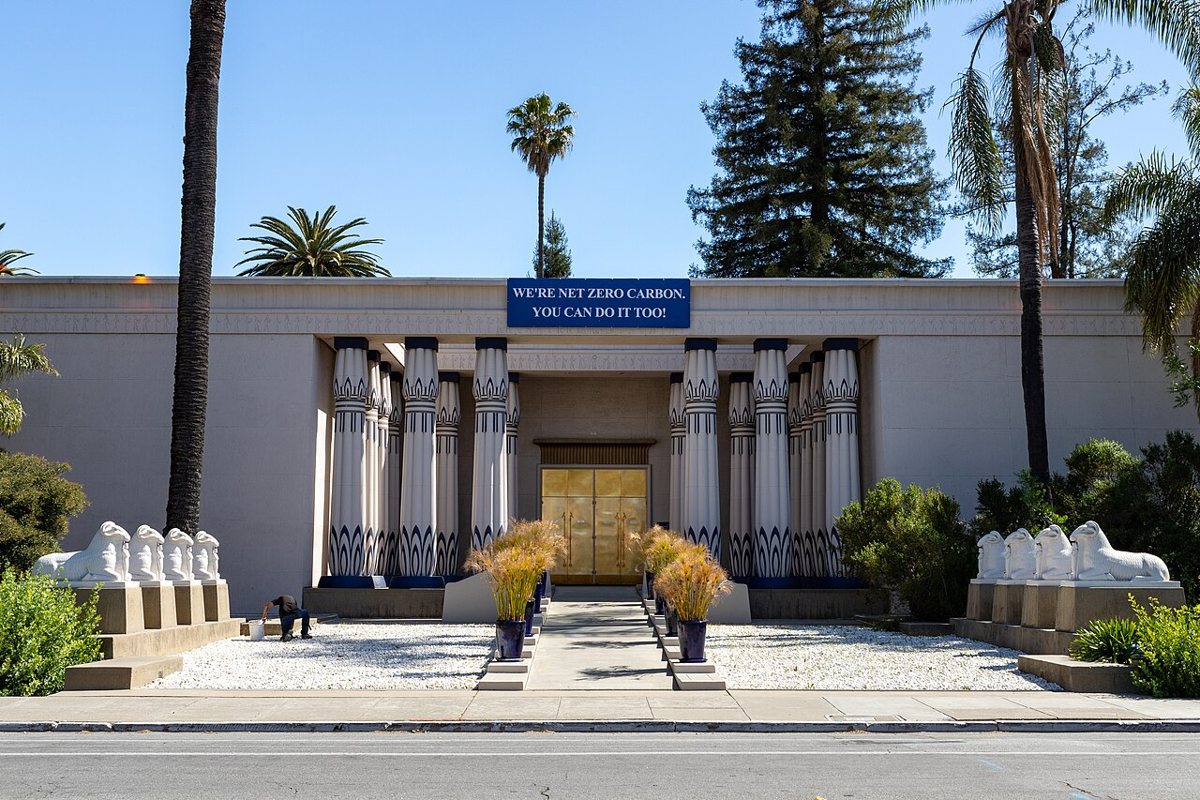
The fog was still burning off the Rose Garden the first Saturday I brought my nephew to the Rosicrucian Egyptian Museum, and by the time we reached the sphinx-lined entrance he'd already decided the whole thing was fake, because real Egypt doesn't have parking meters. Then we got inside, past the mummies and the reconstructed tomb, and he went quiet in the way kids go quiet when something is actually working on them. That's the case for the best museums in San Jose: they aren't a warm-up act for some other city's collections. They're the whole show, scattered through neighborhoods that don't always get their due, from the Rose Garden to downtown to Japantown to the Eastside near History Park, and worth a full season of Saturdays on their own terms.
This city gets called a suburb by people who've never spent a weekend in it, and the museum scene alone should end that argument. San Jose has a serious art museum, a design-forward children's museum, one of the country's three remaining Japantowns with a museum to match, a quirky mansion that's been confusing visitors for over a century, and a walkable history park built from the actual buildings of the Santa Clara Valley's past. Getting between most of them rarely takes more than twenty minutes by car, which is more than can be said for most cities that claim a comparable lineup of museums. What follows is organized by mood: art, science, history and culture, one very strange house, and two spots just outside city limits close enough to fold into the same day.
Art First: San Jose's Art Museums
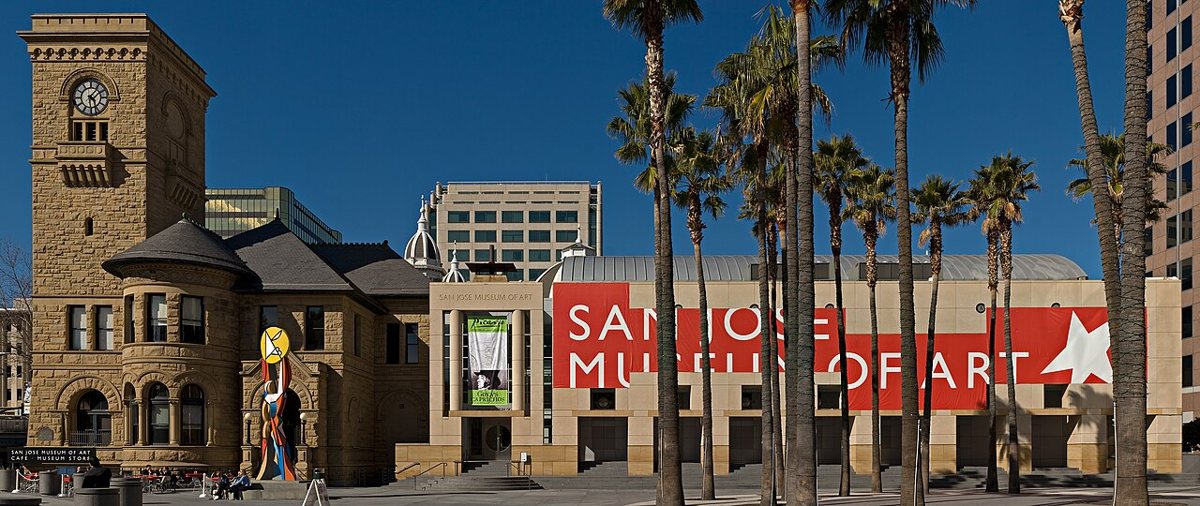
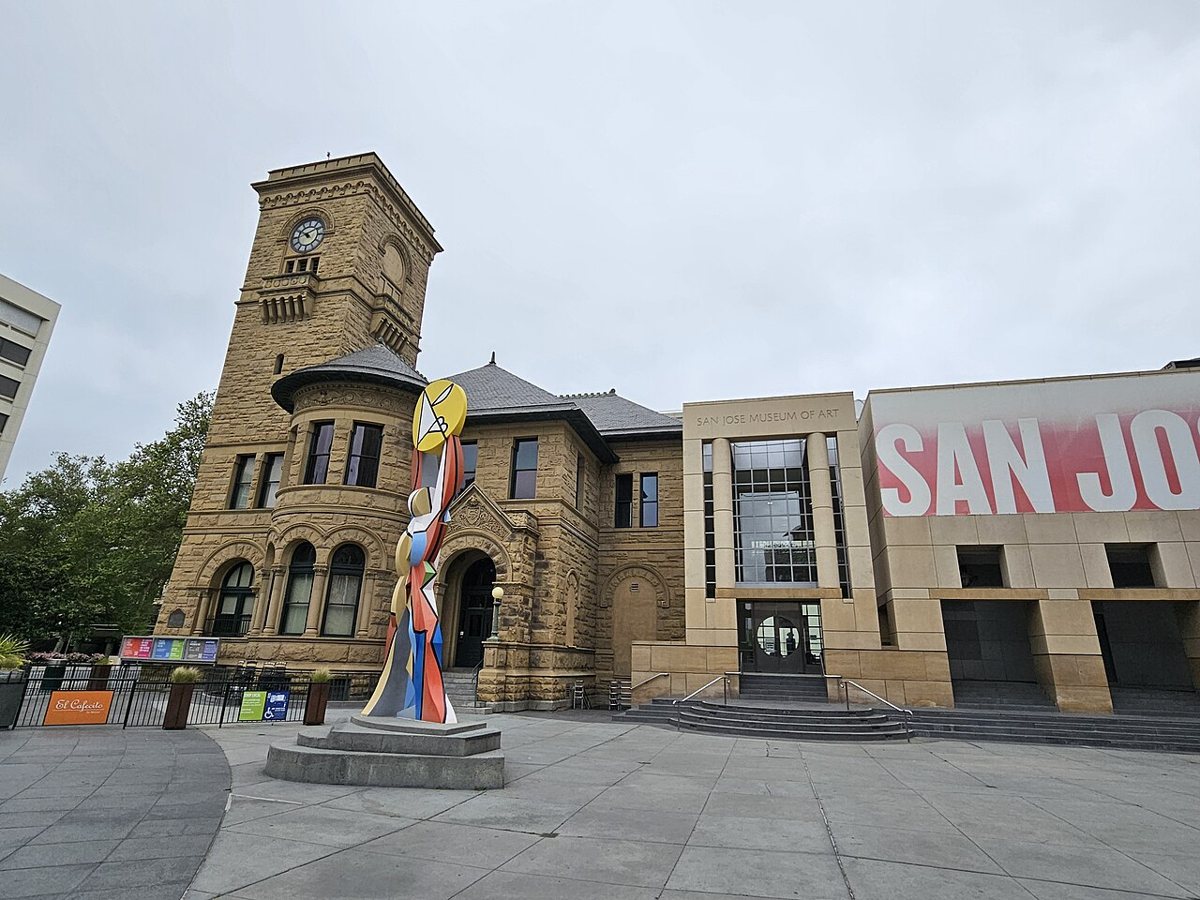
Downtown carries the San Jose Museum of Art as its most traditional anchor, a short walk from Plaza de César Chávez and the closest thing the city has to a flagship art institution. The permanent collection leans into California and West Coast artists, with rotating exhibitions that pull in bigger contemporary names from outside the region. The building itself tells its own story, part 1892 post office and part later addition, so the galleries shift between old brick and clean modern space in a way that keeps the walk through them from ever feeling monotonous. Start on the ground floor, where the rotating exhibitions live, since that's where the museum takes its biggest risks and where the current show is most likely to be the reason you came. Work back through the permanent holdings upstairs afterward, once you have a better sense of what the museum is trying to do. The museum also runs free community days and artist talks tied to its rotating shows, worth checking before a visit if free admission or a curator talk would change your plans. The location does a lot of the work too: San Pedro Square sits close enough that a gallery visit and a late lunch fit into a single parking meter, which is more than can be said for museums that require a full afternoon just to reach.

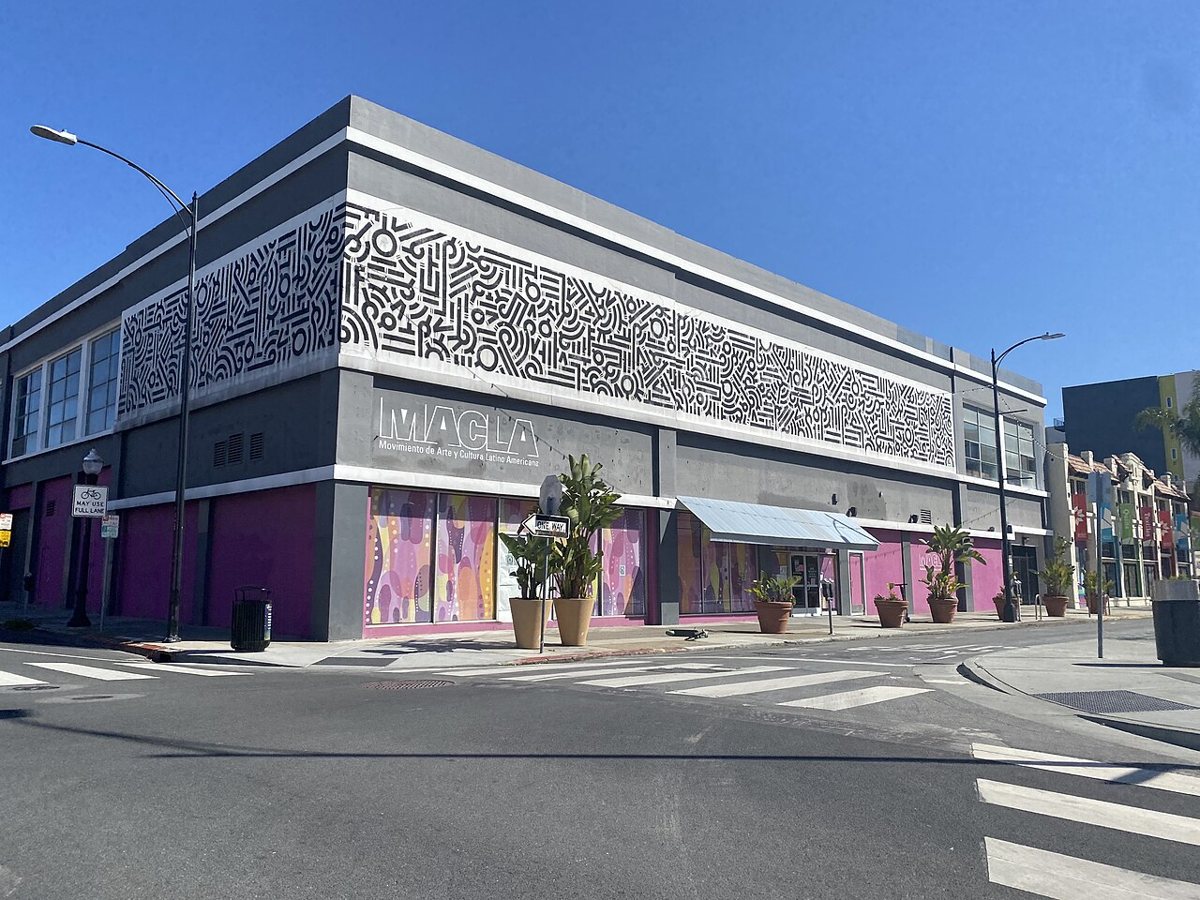
A few blocks south in the SoFA district, Movimiento de Arte y Cultura Latino Americana, known around town simply as MACLA, does something the bigger museums don't attempt: it operates as a working Latino arts organization rather than a gallery displaying historical objects behind glass. Exhibitions rotate through contemporary Chicano and Latin American art, and the space regularly hosts poetry readings, film screenings, and community events tied directly to whatever show is on the walls. The SoFA district around it, short for South First Area, has functioned as downtown San Jose's arts corridor for decades, and MACLA's building sits within easy walking distance of several smaller galleries and studio spaces that share the same block. Visiting without a fixed museum pace in mind pays off here, since the real value often comes from catching the space mid-conversation with the neighborhood around it rather than moving room to room on a schedule. Check the calendar before heading over. An opening night or a spoken-word event can turn what would have been a twenty-minute walkthrough into something closer to an evening out, and MACLA's small footprint means even a modest crowd changes the feel of the whole building.

Science and Discovery for Every Age
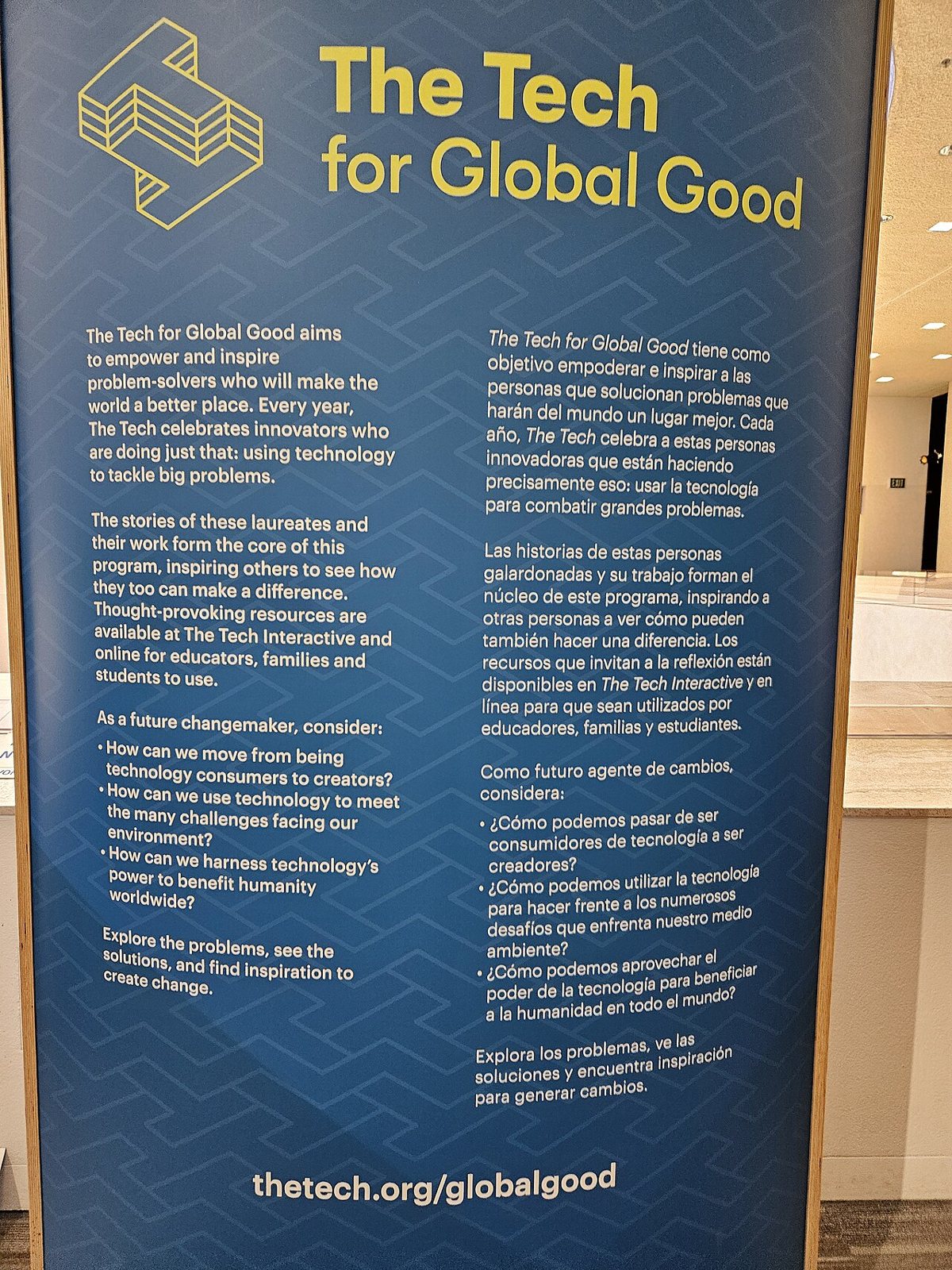
Ask any visiting relative which San Jose museum they've heard of, and the answer is almost always the Tech Interactive, still called by its old name, The Tech Museum of Innovation, by longtime locals. This is a hands-on science and technology museum built for a region that invented a lot of what's on display, with exhibits covering robotics, biotech, space exploration, and design challenges that hand visitors a problem and basic materials rather than a placard to read. The building itself, with its distinctive dome rising over the downtown skyline, was designed by Mexican architect Ricardo Legorreta, who left a real mark on San Jose's civic architecture beyond just this one museum. The dome theater on-site runs its own separate film schedule, worth checking before committing to a ticket, since a giant-screen documentary can anchor a visit as much as the exhibit floor does. The design challenge zones are where the museum's hands-on philosophy shows up best, and they tend to pull in adults just as readily as the kids they were designed for. Timing matters more here than almost anywhere else on this list: weekday mornings are dramatically calmer than weekend afternoons, when school groups and birthday parties can fill the building shoulder to shoulder.

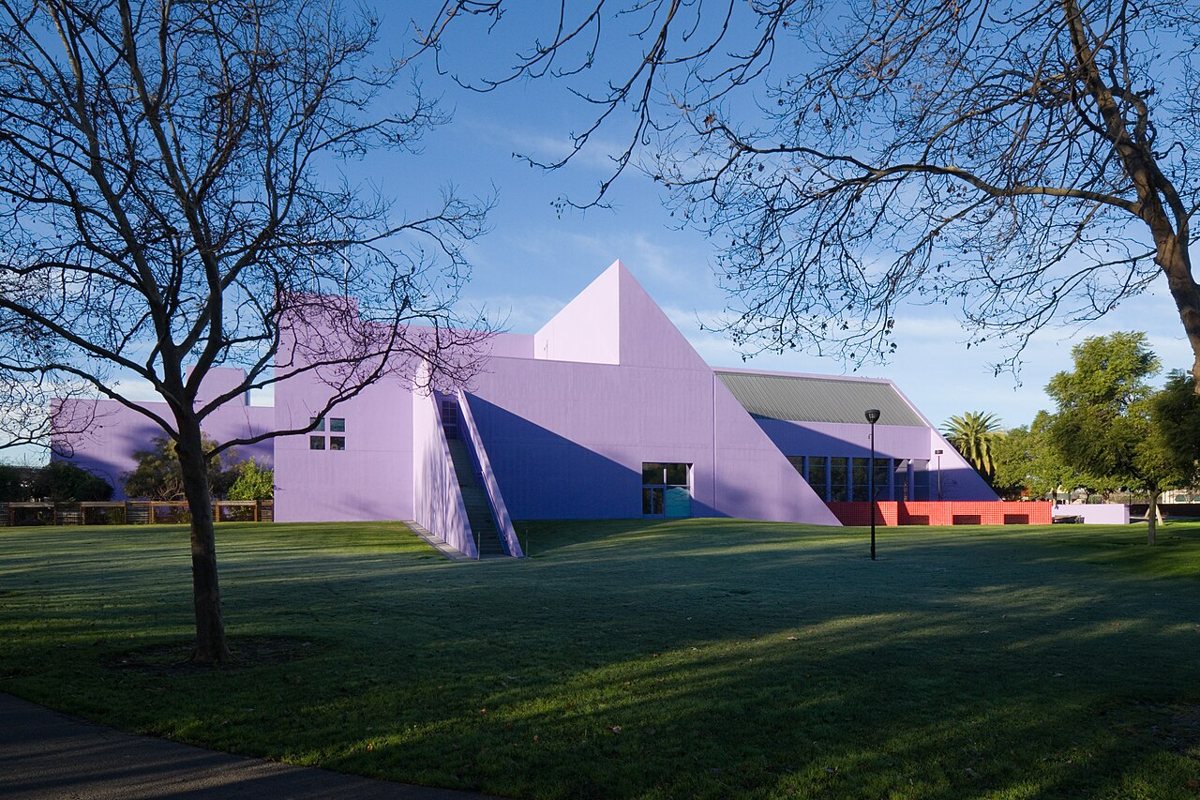
Near Guadalupe River Park, the Children's Discovery Museum of San Jose occupies a building painted a shade of purple bright enough that commuters on the nearby highway use it as a landmark without ever setting foot inside. Legorreta's design work shows up again here in the purple building's bold geometry, a deliberate architectural choice rather than an accident of paint selection. It's built specifically for younger kids, roughly toddler through elementary age, with exhibits on water play, a bubble zone, and a scaled-down city where kids role-play adult jobs. The museum is less about facts on a wall and more about a full afternoon of controlled chaos that somehow leaves kids worn out and happy by the time you're back in the car. If you're mapping out a full day out in San Jose, this belongs near the top of the list alongside a park stop, since the outdoor garden areas here get overlooked by first-time visitors who rush straight to the indoor exhibits. Those gardens are some of the best space in the building to let a wound-up kid run before the drive home, and they cost nothing extra once you're already inside.

History and Culture, Block by Block
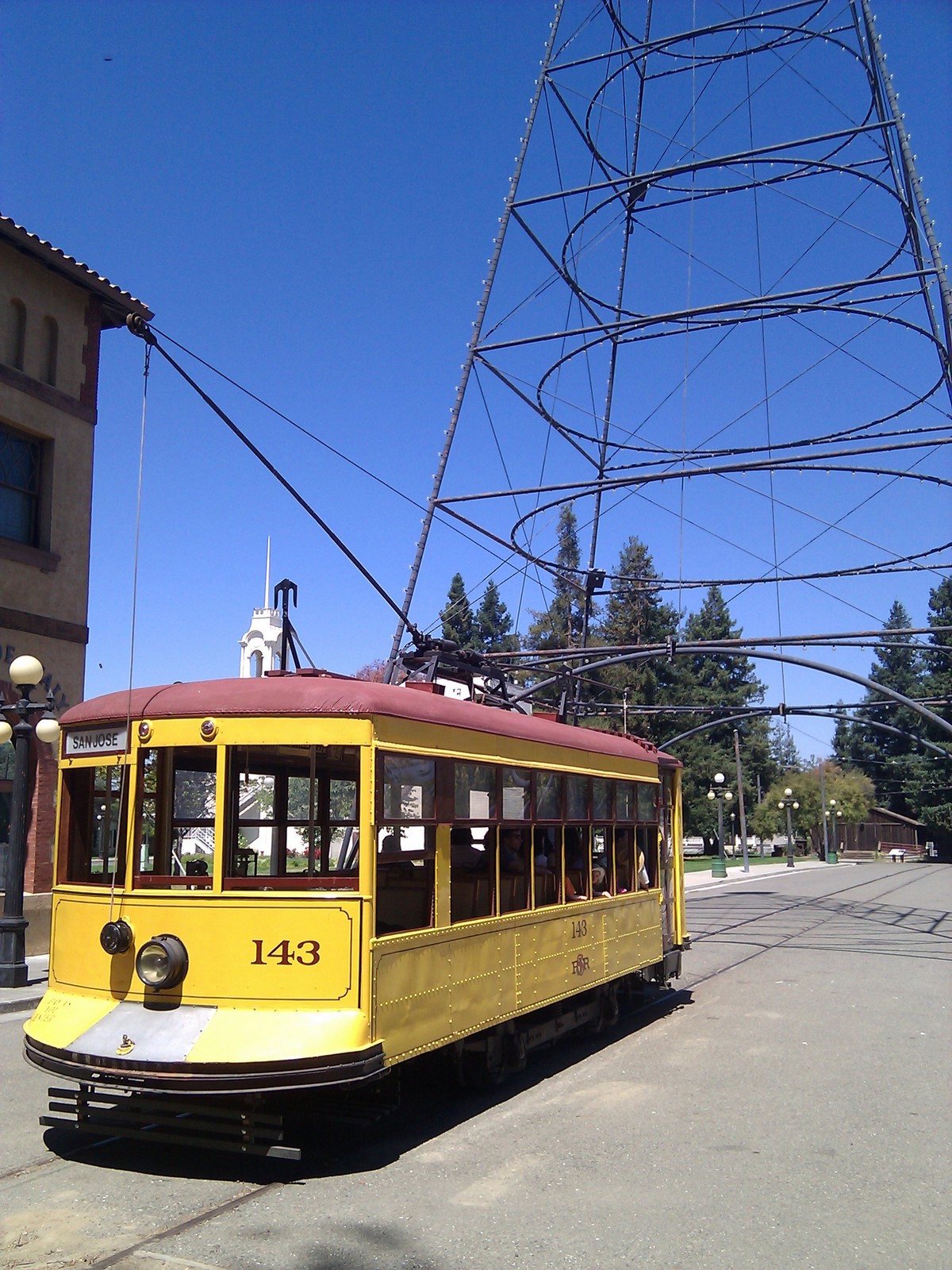
Inside Kelley Park, History Park San Jose is a genuinely unusual place: a collection of more than two dozen historic structures, some relocated originals and some faithful reconstructions, arranged into a walkable town square that traces the Santa Clara Valley from the 1800s through the early twentieth century. A working trolley runs on select days, a replica of the Electric Light Tower that once lit downtown San Jose stands near the entrance, and a Chinese American historical exhibit speaks to a community largely erased from the city's built environment by fire and discrimination. That exhibit centers on a reconstructed version of Ng Shing Gung, a temple that once served Heinlenville, San Jose's last Chinatown before it was destroyed, and it remains one of the few physical markers left of a community the city spent decades trying to erase from its map. The Pacific Hotel and the O'Brien's Candy Store building give the clearest sense of what downtown San Jose looked like before it became downtown San Jose, and walking between them does more to explain the city's early history than any plaque could manage on its own. Pairing a visit with a walk through the rest of Kelley Park makes sense logistically as much as thematically, since the Japanese Friendship Garden sits just next door and the two together cover a full morning without feeling repetitive.

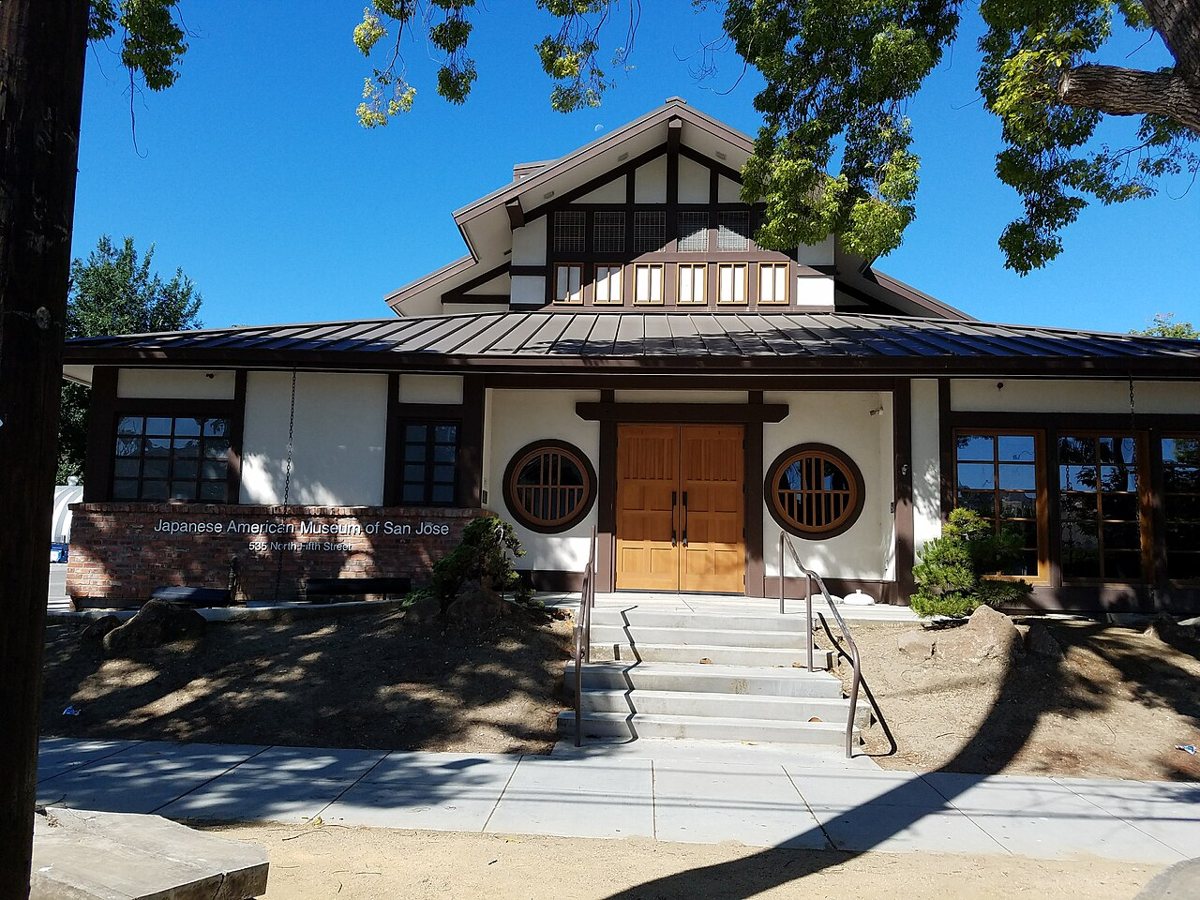
Japantown, one of only three remaining Japantowns left in the United States, holds the Japanese American Museum of San Jose, which tells that neighborhood's story with real weight: immigration, farming life in the Santa Clara Valley, the trauma of World War II incarceration, and the postwar rebuilding that kept this particular Japantown alive when San Francisco's and Oakland's larger prewar districts didn't survive intact. Community volunteers run much of the operation, and the museum's compact size gives it an intimacy the bigger institutions on this list don't have room for. Docent-led tours run on a more limited schedule than the bigger museums downtown, so calling ahead or checking open hours before a special trip pays off. The incarceration-era exhibits carry the most weight, built around personal objects and photographs donated directly by Japantown families rather than acquired through a collections department. Go on a day when you can also walk Jackson Street afterward for the neighborhood's restaurants and markets, since the museum tends to make everything around it read differently once you've seen what the community survived to keep this stretch of blocks intact.

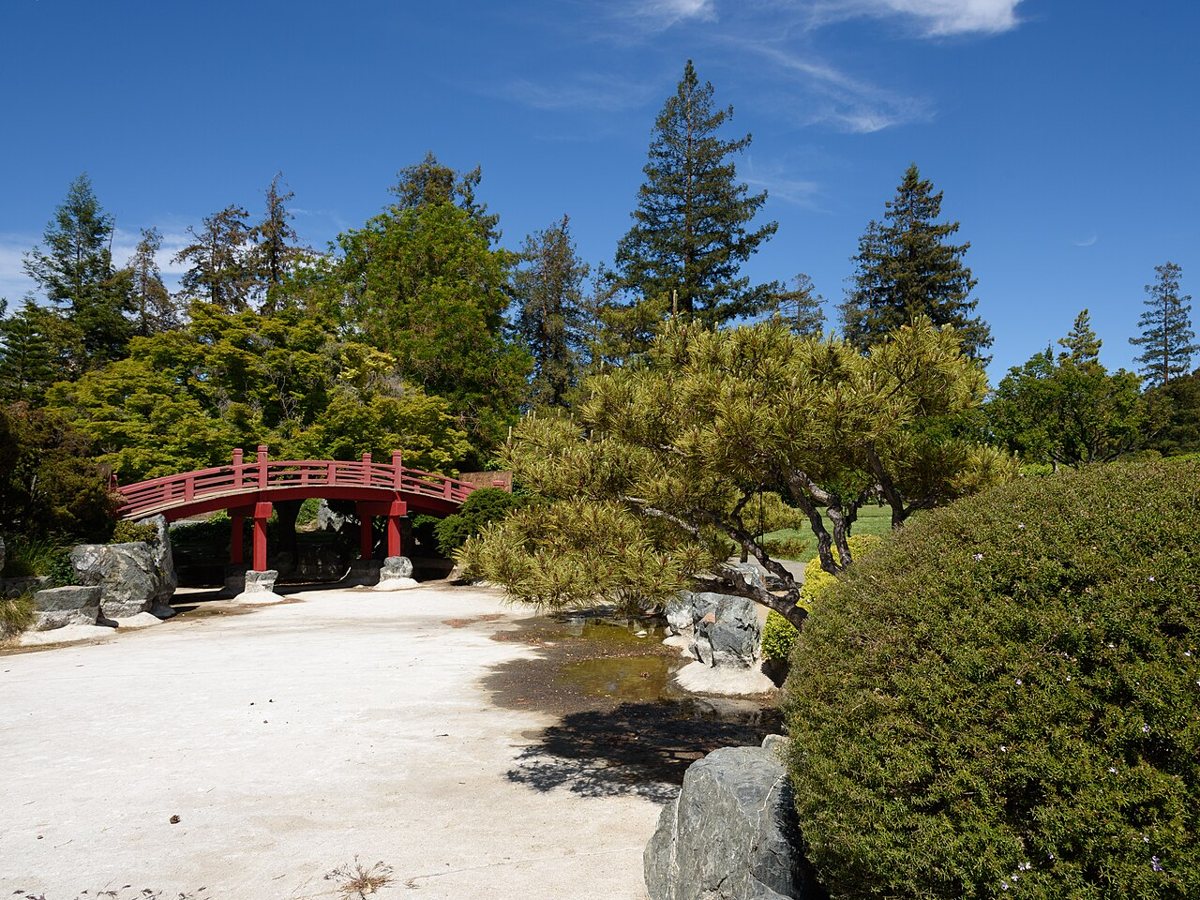
Just outside Japantown, the Japanese Friendship Garden in Kelley Park isn't a museum in the formal sense, but it functions as one of the city's most-visited cultural sites and pairs naturally with a museum-focused day. Modeled on a garden in San Jose's sister city of Okayama, Japan, it has koi ponds, a teahouse, and plantings maintained to shift noticeably with the seasons rather than staying static year-round. The koi pond near the entrance draws most of the foot traffic, but the quieter paths toward the back of the garden are where its reputation actually gets earned, away from the crowds clustered by the water. Early morning light does more for this garden than any other time of day can manage, and arriving before ten means a noticeably thinner crowd and a much better shot at having a bench to yourself.

Tucked into the Rose Garden neighborhood, the Rosicrucian Egyptian Museum holds the largest collection of Egyptian and Middle Eastern antiquities on permanent display in the western United States, a fact that surprises people who assume that kind of collection only exists on the East Coast or in Europe. The museum is operated by the Rosicrucian Order, AMORC, a philosophical and cultural organization that has kept its headquarters in San Jose since the 1920s, which explains both the scale of the antiquities collection and the Egyptian Revival architecture built to house it. The building's facade and a reconstructed tomb that visitors walk directly through set a mood before you even reach the mummies, amulets, and funerary objects waiting further inside. The walk-through tomb replica functions as the centerpiece of the whole visit, and the small planetarium on-site runs shows worth checking separately, since they're scheduled apart from general museum admission and easy to miss if you're not looking for them. The surrounding gardens and courtyard, dotted with statuary pulled from the same collecting tradition as the museum's interior holdings, stay free to wander even outside museum hours, which makes them a natural bookend to a longer walk through the Rose Garden neighborhood itself.

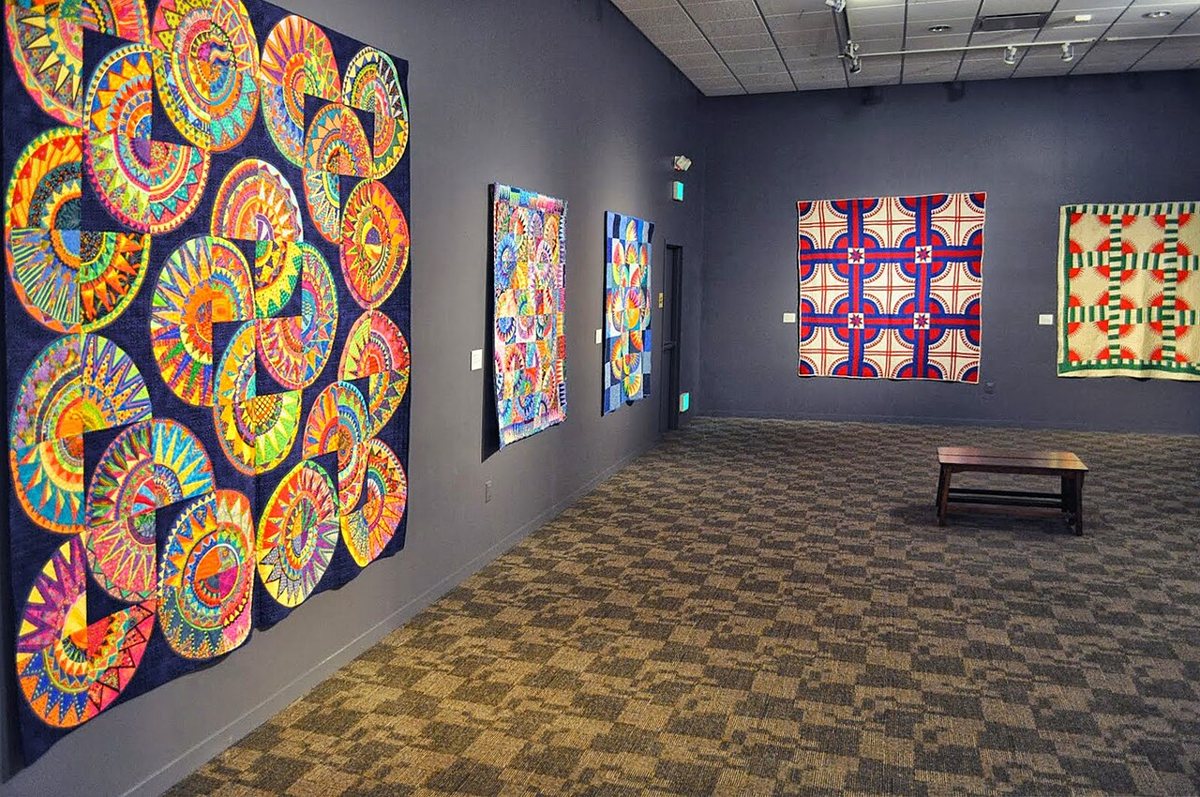
Easy to underestimate from the outside, the San Jose Museum of Quilts & Textiles consistently surprises first-time visitors with how far the medium can stretch once they're inside. It's a small, focused museum dedicated to quilts and fiber art in every direction the form can take, from traditional patchwork to abstract contemporary textile sculpture, and its exhibitions rotate often enough to reward repeat visits from people who assumed one trip would cover it. Whatever the current special exhibition happens to be is generally the reason to go, since the permanent footprint is compact and the museum's real strength lives in its changing shows rather than a fixed collection sitting under glass. It also ranks among the calmest, least crowded stops on this whole list, which makes it a useful palate cleanser after a louder, busier museum like the Tech Interactive earlier in the day.

One Building That Defies Category
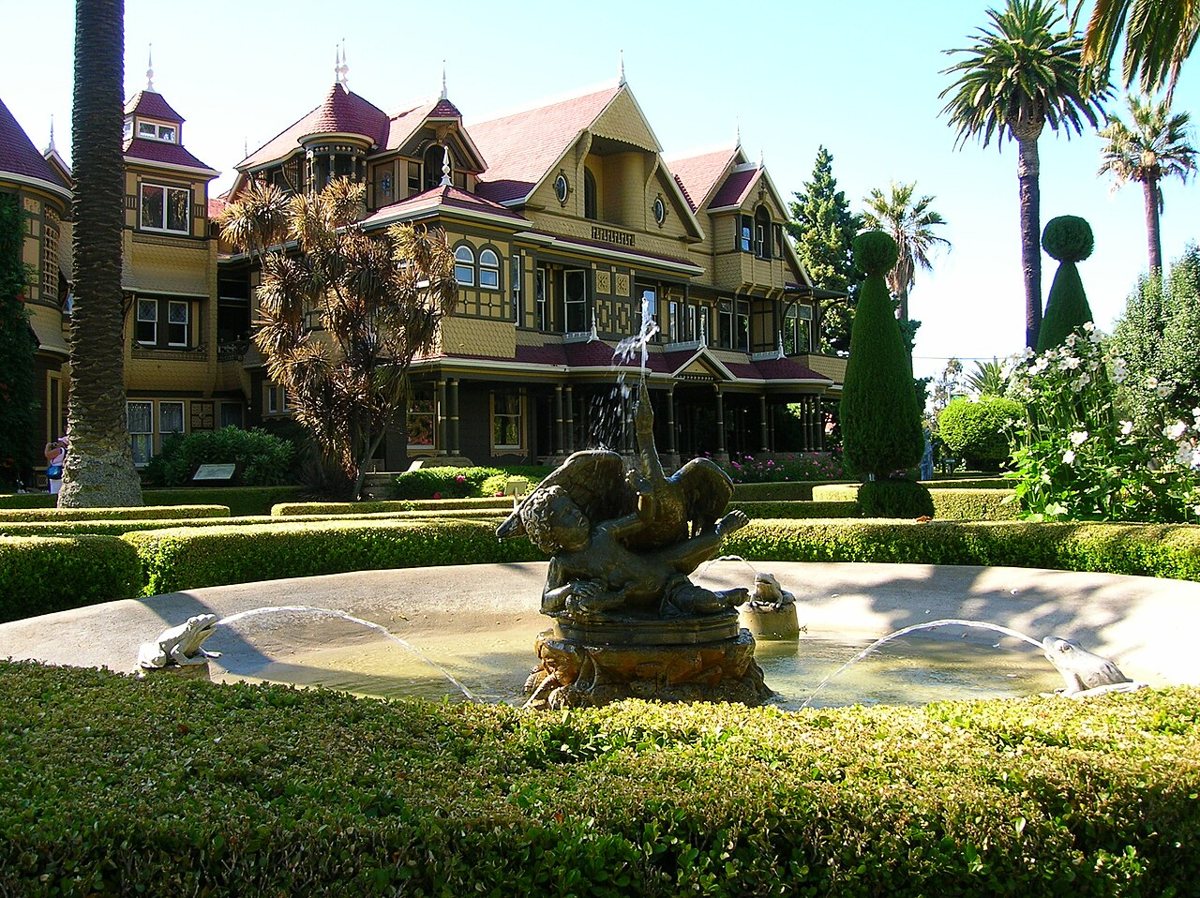
On the west side of the city near Santana Row, the Winchester Mystery House is a historic house museum built around one of California's stranger stories. Sarah Winchester, heir to the Winchester rifle fortune, spent decades continuously building and rebuilding her mansion, producing staircases that lead nowhere, doors that open onto walls, and a floor plan that still confuses architects who tour it today. By most tellings the house grew to somewhere around 160 rooms over roughly four decades of continuous construction, and it has held a spot on the National Register of Historic Places for decades now, a status that has more to do with its architectural oddity than any resolved answer about why Winchester kept building. Guided tours move through both the finished and unfinished rooms, covering the construction oddities alongside the folklore that's grown up around the house in the decades since Winchester's death. The staircase to nowhere and the switchback stairs are the most photographed features on any given tour, though the Victorian-era decor filling the finished rooms deserves just as much time, since it's easy to rush past furniture and wallpaper in pursuit of the architectural oddities everyone came for. Booking ahead matters most in October, when the house leans hard into its haunted reputation and tours sell out well in advance of Halloween itself.

Worth the Short Drive Just Outside the City
Two institutions sit close enough to San Jose to fold into the same trip without really counting as a separate excursion. On the Stanford University campus in nearby Palo Alto, the Cantor Arts Center is a full-scale university art museum with an encyclopedic collection spanning ancient to contemporary work, and it holds one of the largest gatherings of Rodin sculpture outside Paris, displayed in an outdoor garden that costs nothing to wander. Admission to the galleries themselves is free as well, a detail that surprises visitors used to paying university museum prices elsewhere. The Rodin sculpture garden alone justifies the drive on a clear afternoon, and the museum's Asian art and American art wings are strong enough to hold their own against museums in cities several times San Jose's size. Budget the drive at roughly half an hour north of San Jose, longer if traffic on 101 or 280 doesn't cooperate.
In Mountain View, the Computer History Museum is the single best place in the region, arguably in the country, to see the actual hardware that built Silicon Valley as a regional idea rather than a neighborhood on a map. Exhibits trace computing from early mechanical calculators through mainframes, personal computers, and the internet era, including a working reconstruction of the Babbage Difference Engine that occasionally runs live demonstrations. The museum also runs docent-led tours on a regular schedule for visitors who want context beyond the placards, particularly useful in the mainframe and early networking sections where the equipment alone doesn't tell its full story. The Revolution exhibit covers the full sweep of computing history in one long walkthrough, and it rewards budgeting real time rather than rushing through on the way to something else, since the density of artifacts per square foot is higher here than almost anywhere else on this list. Plan for roughly twenty minutes north of San Jose to reach it, a similar drive to Stanford but in the opposite direction.
Planning Your Visit to the Best Museums in San Jose
Most of the museums on this list cluster close enough together that a car, rideshare, or even a determined bike ride can string two or three into one day. The downtown cluster around the San Jose Museum of Art, the Tech Interactive, and the Quilts & Textiles museum works well as a single outing, and so does the Kelley Park cluster of History Park and the Japanese Friendship Garden, with Japantown a short drive beyond it for anyone who wants to keep going. VTA light rail connects several of these stops directly, with a downtown station within walking distance of the art museum, the Tech Interactive, and MACLA, which makes leaving the car behind a realistic option for the downtown cluster specifically.
- Budget two to three hours for a single larger museum like the Tech Interactive or the Rosicrucian, and closer to ninety minutes for smaller, more focused spaces like MACLA or the Quilts & Textiles museum.
- Weekday mornings are consistently the calmest time to visit anywhere school groups tend to book, which covers most of the science and history museums on this list.
- Many of these institutions offer a free or reduced-admission day at some point each month, along with discounts for local residents, students, and members of reciprocal museum programs, so confirm current hours and admission details directly before heading out rather than assuming.
- Parking downtown is easiest near the convention center or in the garages around San Pedro Square, and it's a flat, walkable stretch from there to both the art museum and the Tech Interactive.
If museums are just one piece of the day, they slot in well alongside a broader look at the rest of the city, since several of the best ones sit within walking distance of restaurants and plazas already worth the trip on their own.
One Local's Take
People who write off this city's culture scene usually haven't done the math on what's actually here: an internationally significant Egyptian collection, one of three surviving Japantowns in the country with a museum built by the community it describes, a history park walkable like an actual town, and a science museum that reflects the industry the region is famous for instead of borrowing prestige from somewhere else. None of it needs San Francisco as a comparison point to make its case, and treating these places as a footnote to some other city's museums undersells exactly what makes a weekend built around them worthwhile. Pick two or three from this list, plan around a neighborhood instead of a single address, and expect to spend a lot less time in the car and a lot more time actually looking at things worth looking at. That's a fair trade for anyone willing to treat a Saturday in San Jose the way visitors treat a Saturday in any city they've actually researched before arriving.