Best Coffee Shops in San Jose Worth the Trip
San Jose's coffee scene doesn't sit in one district waiting to be discovered. It's split across neighborhoods that don't agree on what a good cup even is.
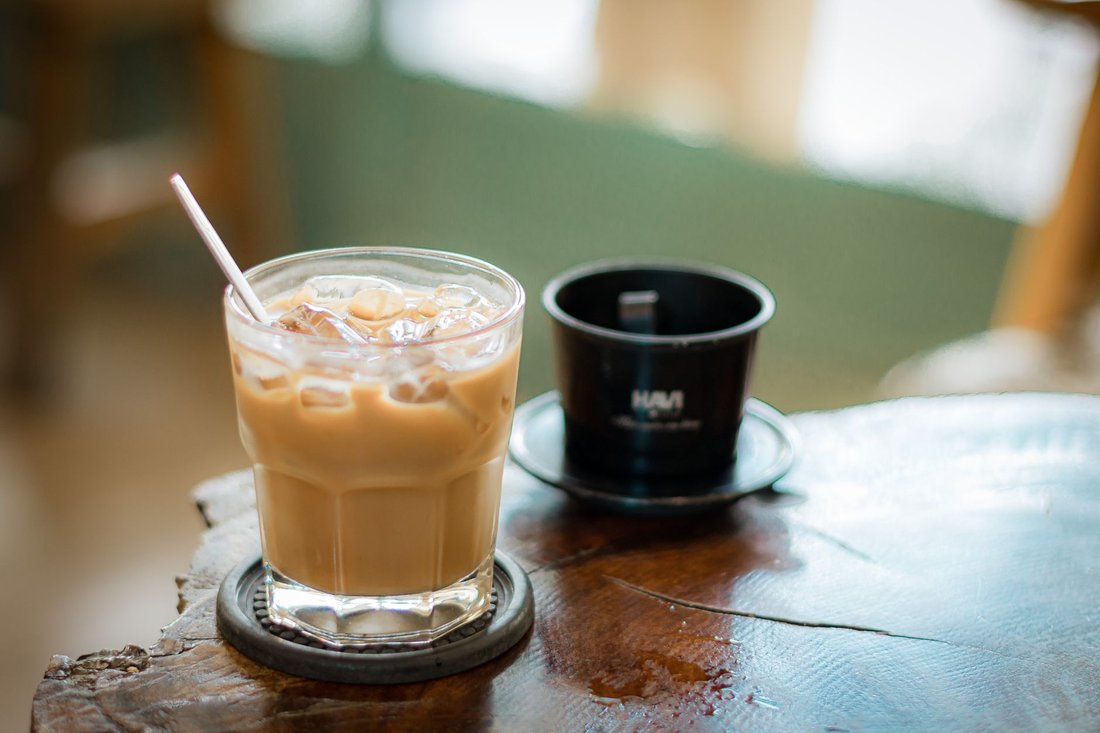
Order a cà phê sữa đá on Tully Road before eight in the morning and you'll wait behind contractors, grandmothers, and off-shift nurses, all of them treating the ice and condensed milk like fuel rather than an indulgence. That's the honest starting point for anyone hunting for the best coffee shops in San Jose: this city doesn't run on one coffee culture, it runs on four or five overlapping ones, split by neighborhood, and none of them look like a transplant from somewhere else.
The Best Coffee Shops in San Jose Are Scattered by Neighborhood, Not Stacked Downtown
San Jose is geographically enormous for a city its size, and the coffee follows the same sprawl. There's no central strip where every roaster and café competes for the same foot traffic. Instead, each pocket of the city built its own coffee habits around who actually lives and works there, which means the smart way to search for coffee here isn't by star rating. It's by neighborhood, and by knowing what that neighborhood is actually built for.
Willow Glen
Willow Glen still has the most walkable stretch of café real estate in the city, a strip built for people who park once and stay for two hours. This is where the laptop crowd and the stroller crowd share tables without much friction, and where a café can survive on repeat customers who come in five days a week and order the same thing without saying it out loud. Expect pour-over boards, oat milk as the default rather than the upcharge, and a pace that rewards lingering.
Japantown
Japantown is one of only three surviving historic Japantowns in the country, and its coffee culture reflects a neighborhood that has stayed rooted rather than churned over. Cafés here tend to sit next to decades-old markets and restaurants, serving a mix of longtime residents, families running errands, and visitors who came for the food and stayed for a cup after. It's a quieter scene than Willow Glen's, less about hanging out and more about a short stop that fits into a longer visit. Pair a coffee run here with a stop for a bowl of ramen or a market snack and you've got a full afternoon.
Downtown, Near SJSU
Downtown coffee runs on a different clock, shaped by San Jose State students and the office workers who still come in a few days a week. Hours skew later, Wi-Fi matters more than ambiance, and the busiest windows are midterms and the last two weeks of any semester. Some of these spots double as study halls after dark, which changes the vibe from a morning grab-and-go crowd to something closer to a library with espresso. Downtown is also where you're most likely to find a shop leaning hard into single-origin pour-overs and a printed menu of extraction methods, because the customer base skews younger and more willing to ask questions about the beans.
The Eastside
The Eastside doesn't get written up as often as it should, which is a mistake anyone actually eating and drinking their way through this city eventually corrects. This is working-class San Jose, heavily Latino, and its coffee shows up as much inside panaderias and taquerias as it does in standalone cafés. A cup of coffee here is frequently part of something bigger: a stop for pan dulce, a quick café de olla with cinnamon and piloncillo instead of plain drip, a to-go cup grabbed on the way to a shift. If you're chasing a Mexican bakery run through this part of town, the coffee is built to go alongside it, not to be the whole event.
The Rose Garden
The Rose Garden is residential and quiet, and its cafés reflect that: smaller footprints, regulars who know each other by name, a slower morning rhythm than downtown ever gets. This is neighborhood coffee in the truest sense, serving people who live within walking distance rather than drawing anyone from across town. Don't expect a destination scene. Expect a good cup, a familiar face behind the counter, and a bench outside worth sitting on.
Santana Row and Valley Fair
Santana Row and the area around Valley Fair are the upscale end of the spectrum, where coffee sits alongside retail and people-watching rather than existing on its own. The crowd here is dressier, the pace is built around shopping breaks rather than settling in for hours, and pricing runs higher than anywhere else in the city. It's a legitimate option if that's the errand you're already running, but it's not where San Jose's coffee identity actually lives.
Vietnamese Cà Phê Sữa Đá Culture Is Its Own Category
No conversation about coffee in this city is complete without cà phê sữa đá, the Vietnamese iced coffee built on dark-roasted robusta beans, a metal phin filter, and sweetened condensed milk. San Jose has one of the largest Vietnamese populations in the country, concentrated on the Eastside and in Berryessa, and the coffee culture there didn't grow out of the third-wave roasting movement at all. It grew out of home kitchens, family-run cafés, and a brewing method that predates espresso machines by generations.
The phin filter drips slowly, by design, which is why cà phê sữa đá is often ordered to sit for a few minutes before the ice goes in. The condensed milk isn't a sweetener add-on, it's structural, cutting the bitterness of the dark roast rather than masking it. There's also a hot version, cà phê sữa nóng, and a black iced version without milk, cà phê đen đá, for anyone who wants the roast without the sweetness. Ordering here rewards a little vocabulary. Walking in and asking for the Vietnamese iced coffee works, but using the actual terms gets you taken more seriously and, often, a better recommendation on strength.
Third-Wave Roasters vs. Neighborhood Cafes
San Jose's coffee splits fairly cleanly into two camps, and knowing which one you're walking into changes what you should expect and order.
- Third-wave shops emphasize single-origin beans, visible extraction methods, and a menu that changes with what's in season. They're more likely near downtown and SJSU, priced higher, and staffed by people who want to talk through tasting notes if you ask.
- Neighborhood cafes run on consistency and relationships instead of rotation. The menu barely changes year to year, the price stays reasonable, and the point isn't the bean origin, it's showing up and getting the same good cup the regulars get.
- Family-run and ethnic-specific cafes, especially Vietnamese and Mexican ones, blend coffee into a bigger food and community role rather than treating it as a standalone product.
None of these approaches is the correct one. A pour-over flight downtown and a phin-dripped cà phê sữa đá on the Eastside are both legitimate answers to the same question. They're just answering different questions about what a cup of coffee is for.
The real trick to drinking well in this city is dropping the idea that there's a single best answer waiting to be crowned. Pick the neighborhood that matches the morning you're actually having, order in the local style instead of translating it into what you'd get somewhere else, and let the coffee tell you something true about the part of San Jose you're standing in.